












How to Become a Catering Manager in Ireland: A Step-by-Step Guide
Introduction
I have been in the catering industry for many years, and I have spent many of those years as a catering manager. I have seen firsthand the exhilarating journey of building a career in this industry. To be a catering manager, you need to be multifaceted; with culinary expertise, business acumen and, of course, a passion for the hospitality industry. In this blog post, I will share my experience, recommendations and industry insights on how to become a successful catering manager.
How Do You Become a Catering Manager?
Becoming a catering manager usually involves gaining hands-on experience in hospitality, developing leadership and organisational skills, and learning how to manage catering operations. Many people start in kitchen, front-of-house or event roles before progressing into supervisory positions and eventually catering management.
While a degree isn't always necessary, qualifications in hospitality management, food safety or event management can help you build the knowledge and confidence needed for the role.
What Does a Catering Manager Do?
Key Responsibilities of a Catering Manager
Catering managers have extensive responsibilities. For instance, in a typical day, I juggle multiple tasks - from menu planning and staff organisation to client meetings and budget management. Event design and execution are also among the core competencies required of catering and events professionals. Catering managers play an important role in planning events, coordinating suppliers, overseeing catering operations and ensuring events run smoothly.
There are many rewards to this role and creating memorable experiences for clients is at the top of this list. I remember a challenging event where we had to cater a wedding that had 500 guests with many different types of dietary restrictions. We needed to plan meticulously and coordinate carefully with our culinary team. Because of this, we delivered a seamless experience that even surpassed the client’s expectations! I got such a boost from knowing that I made this couple’s day extra special!
Managing Daily Catering Operations
Effective operations management is crucial in catering. As a catering manager, you're essentially running a business within a business. This involves:
● Budget management
● Inventory control
● Staff scheduling and training
● Quality control
● Compliance with health and safety regulations
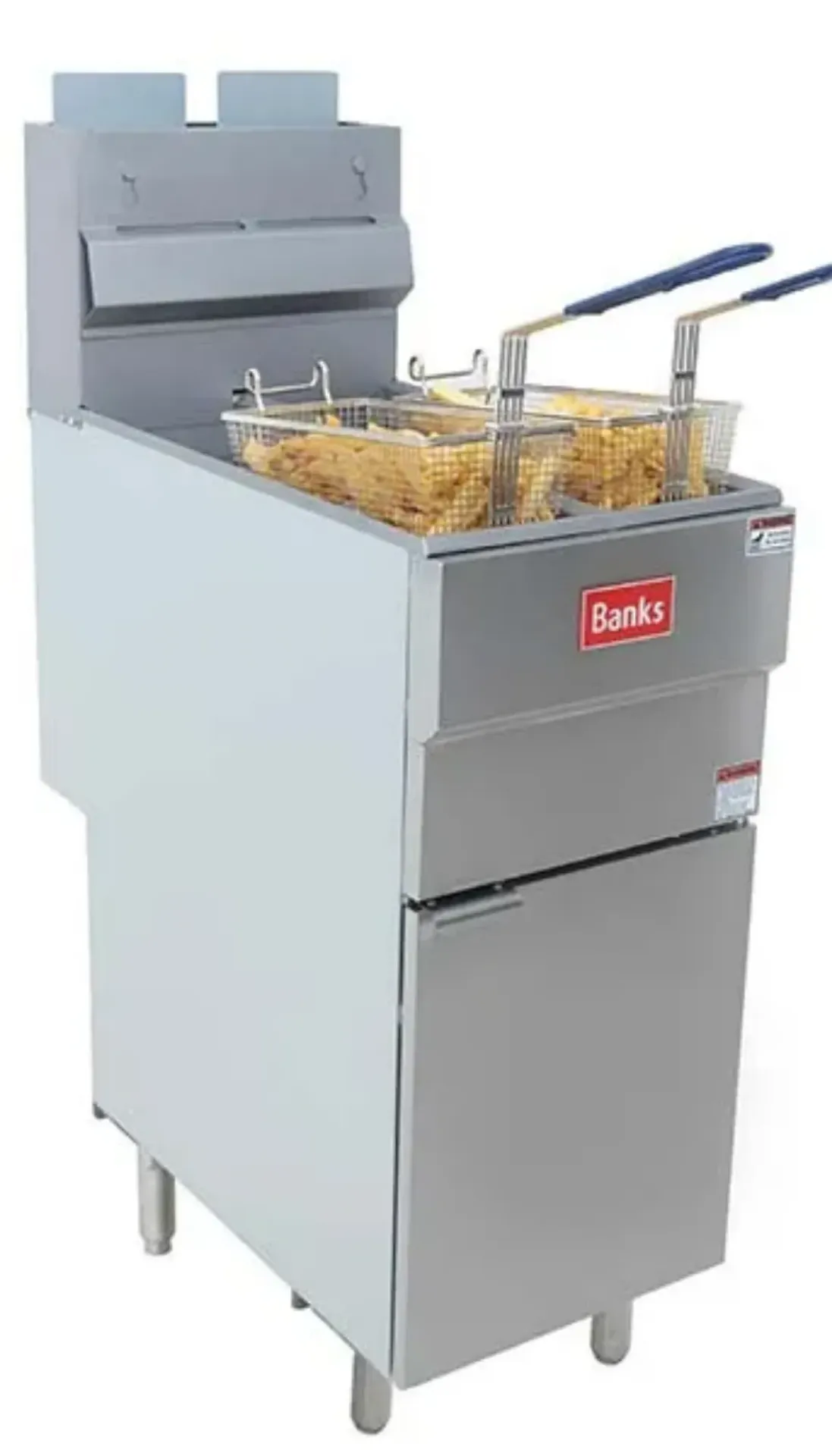
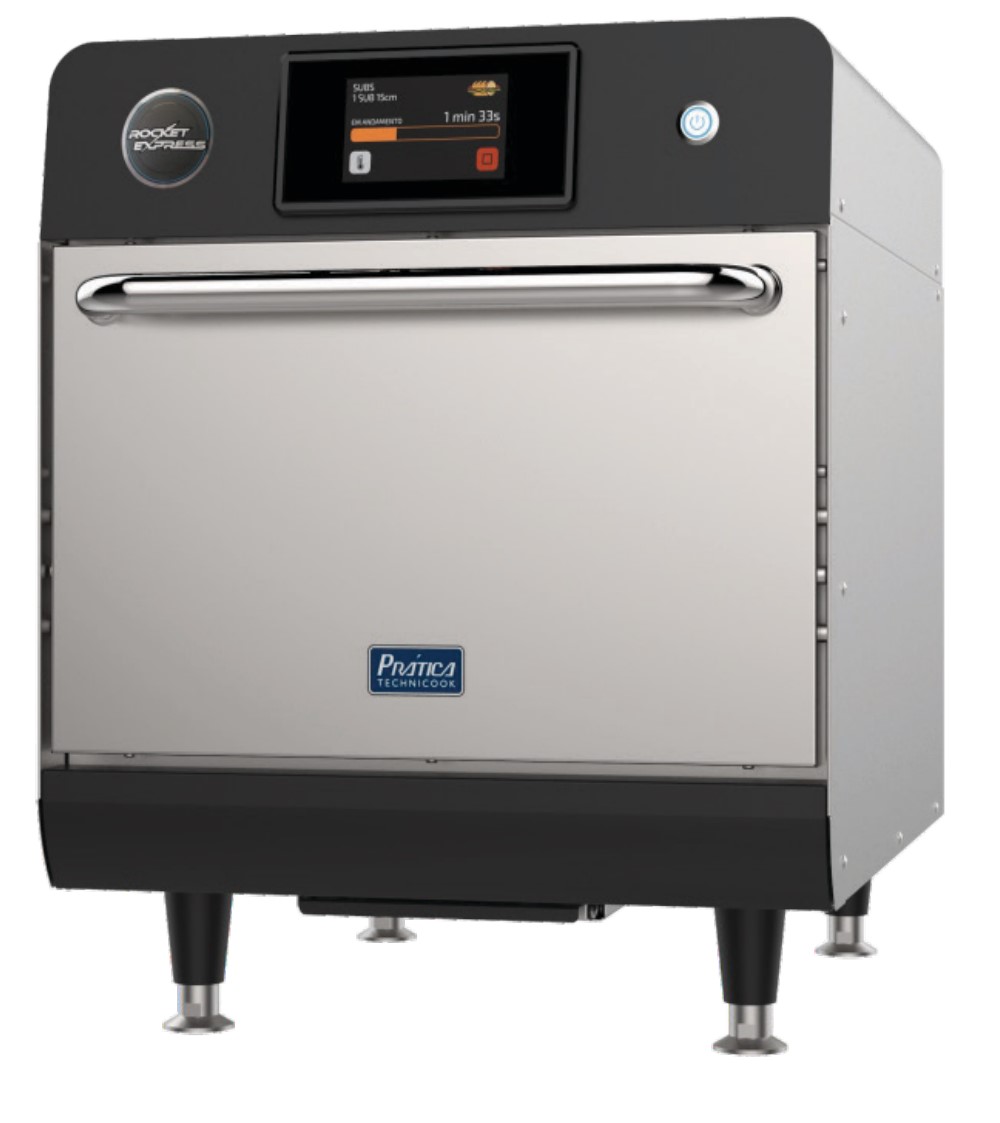
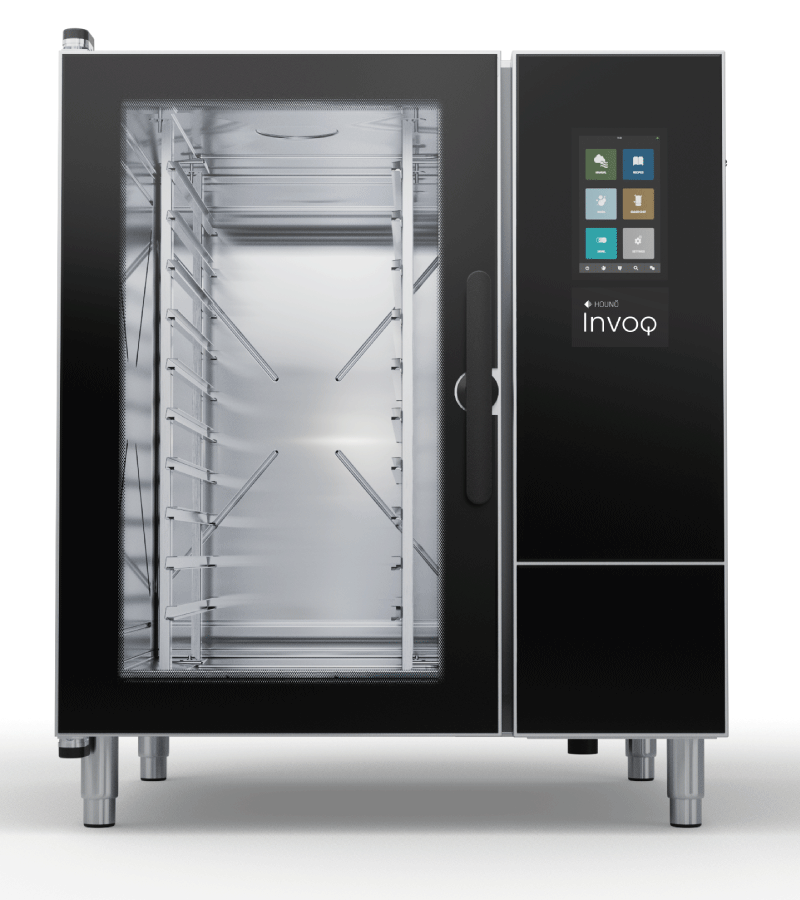
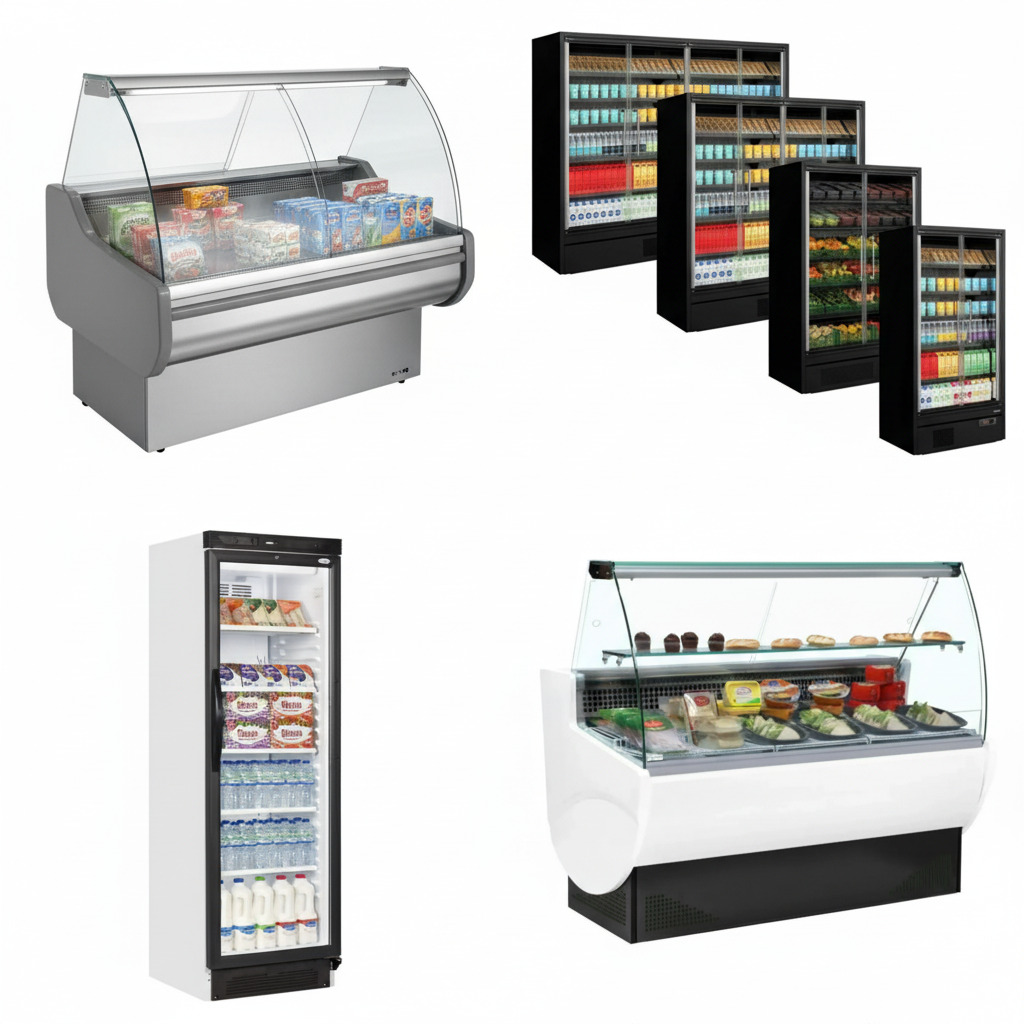
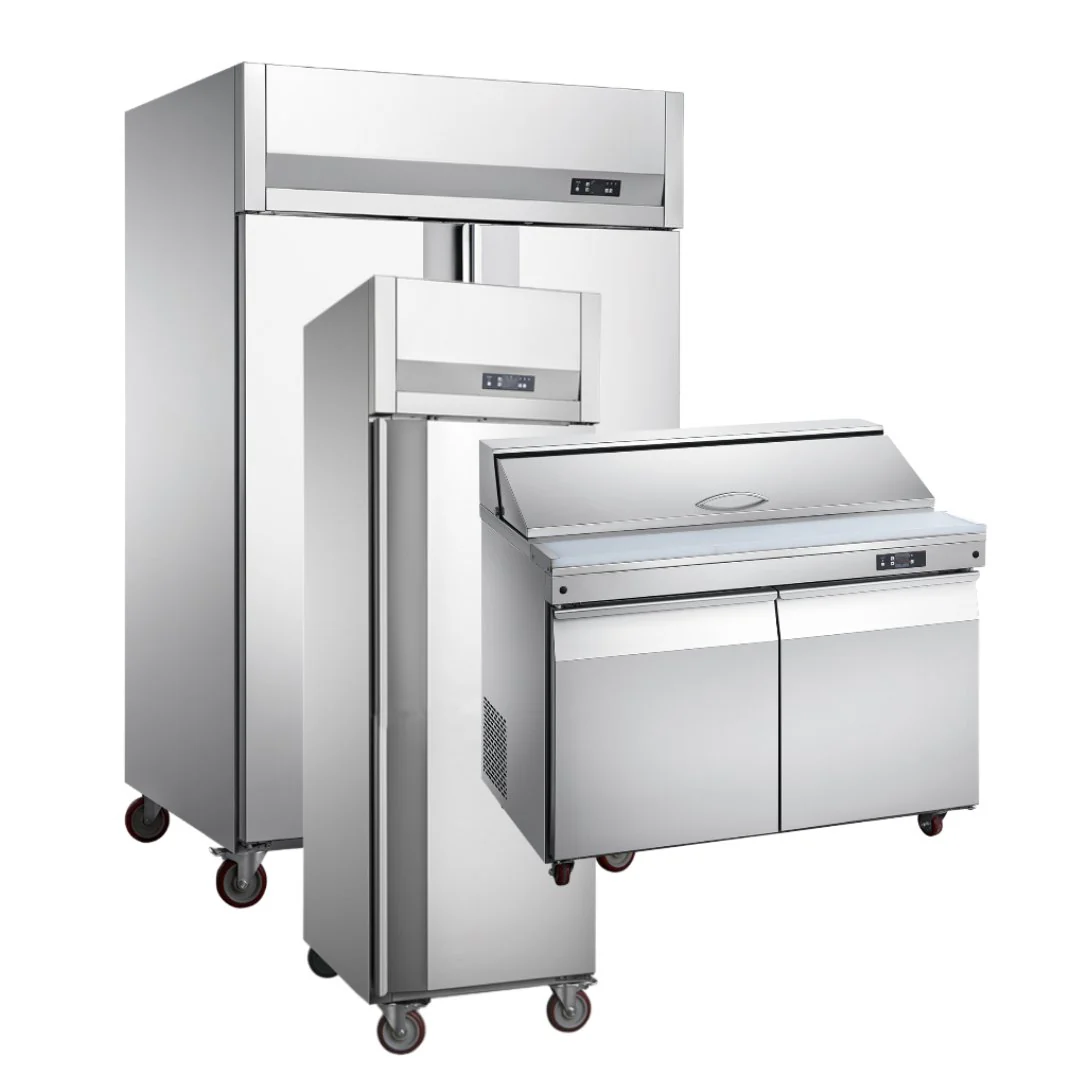
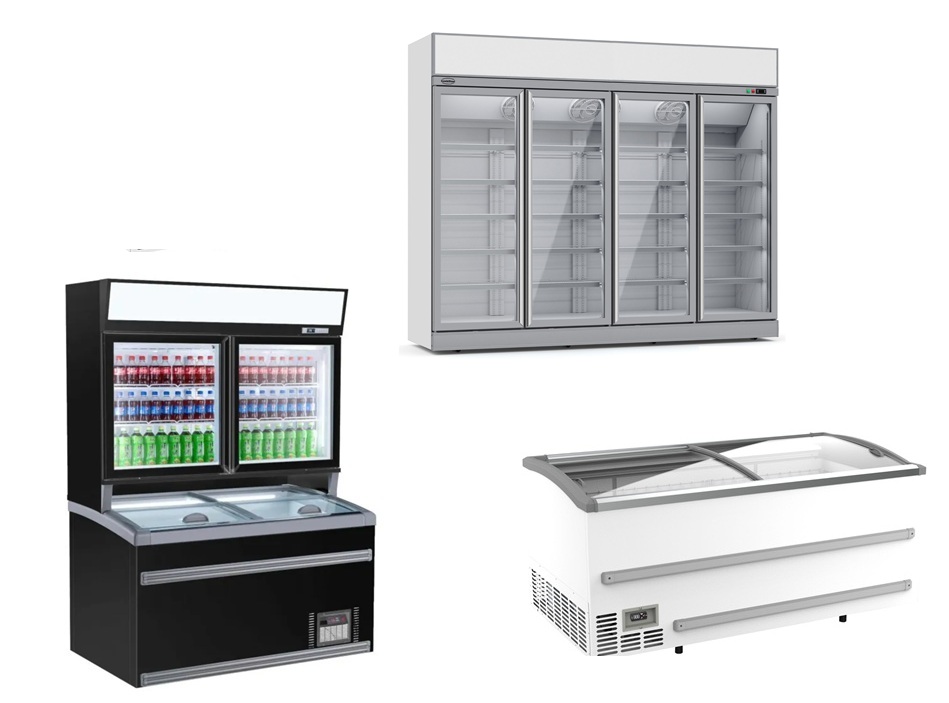
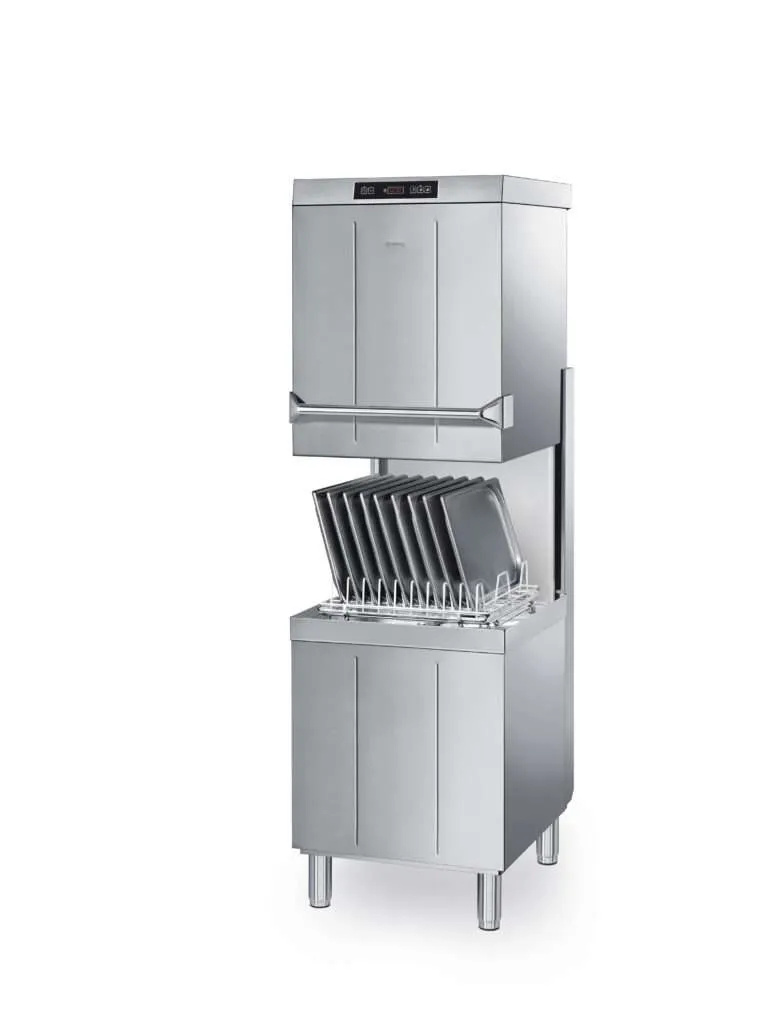
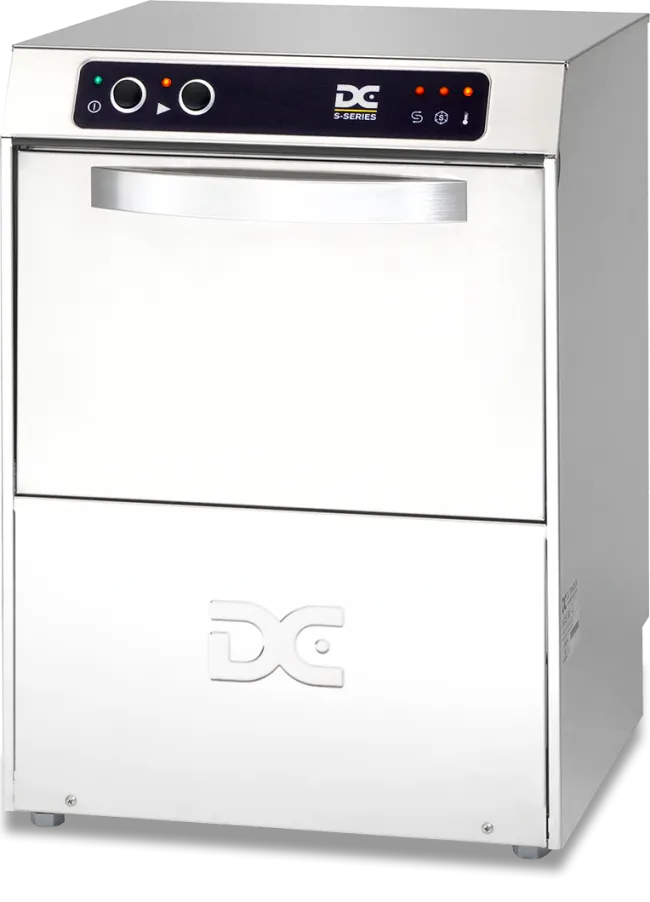
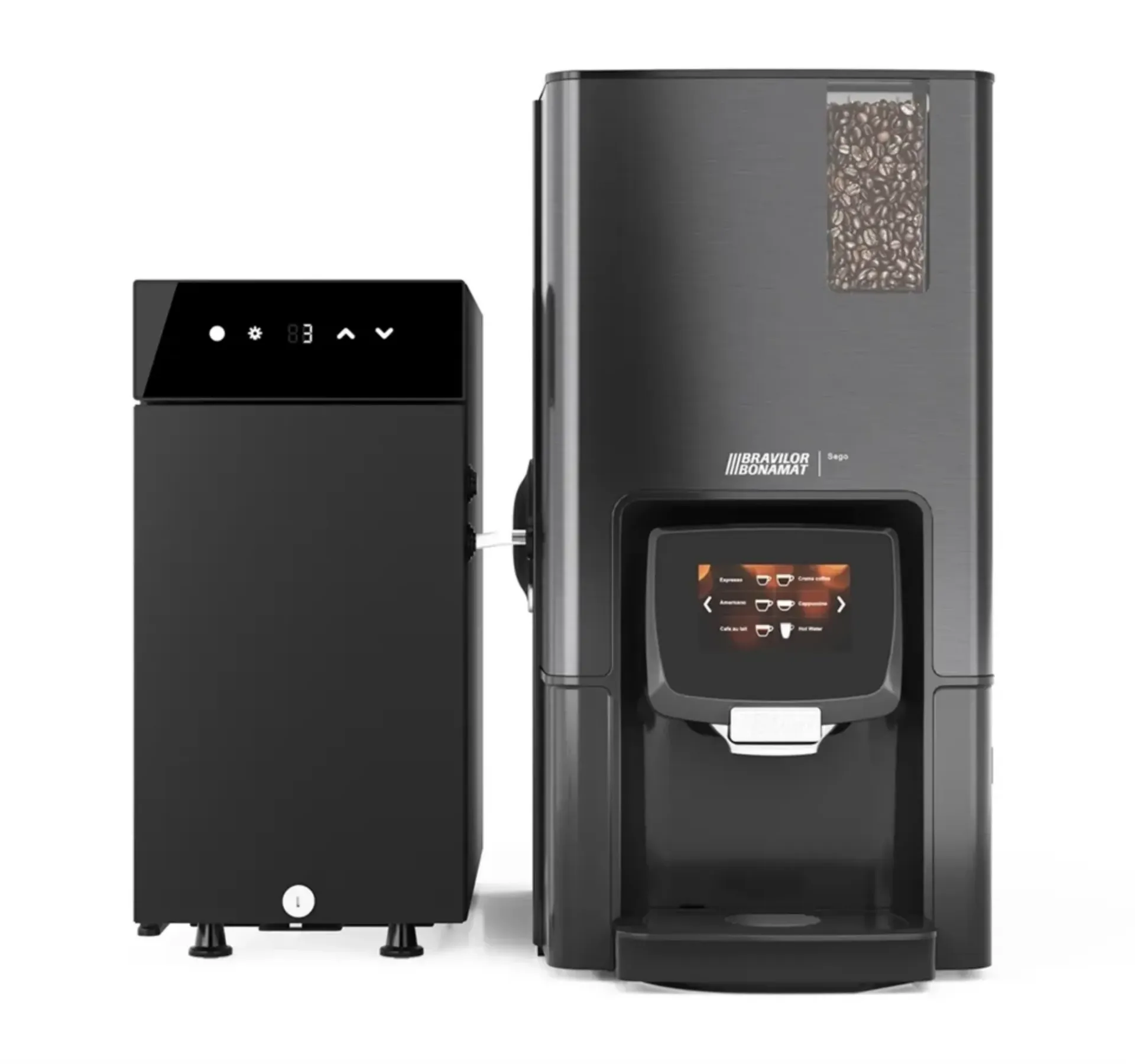
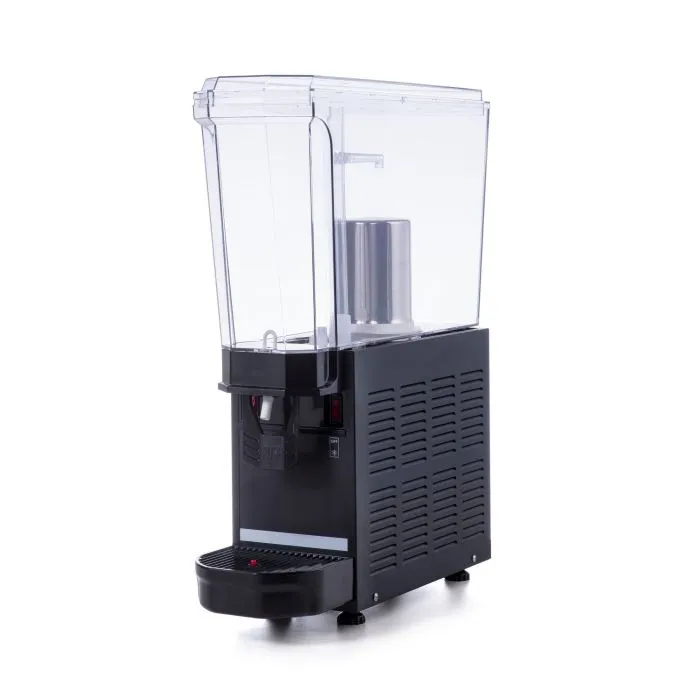
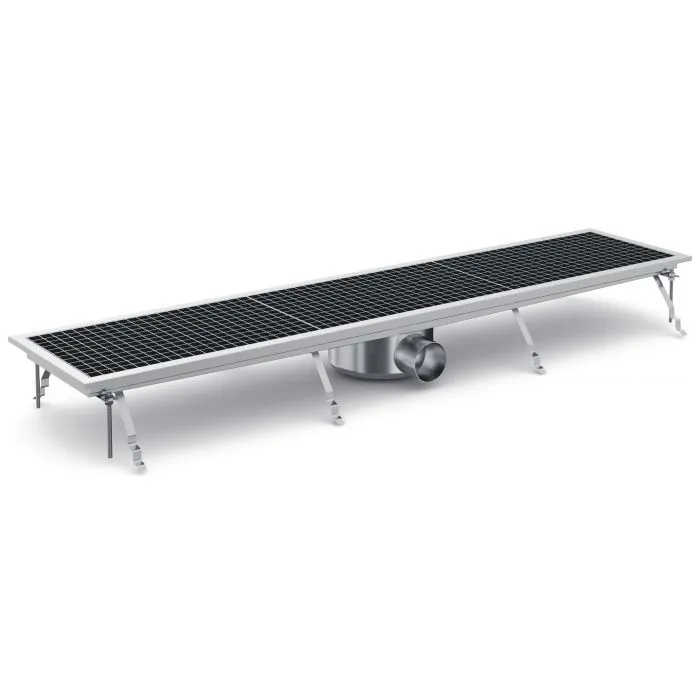
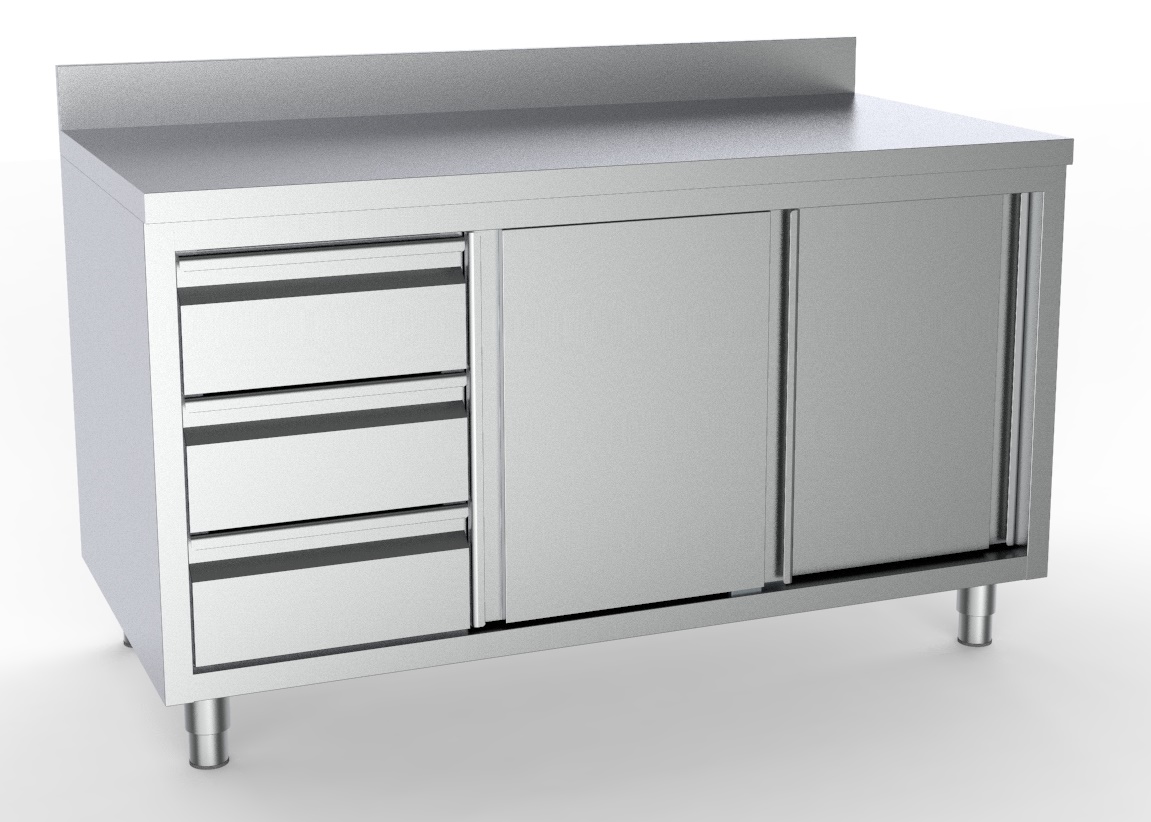
Having the right commercial catering equipment can also help managers maintain efficient kitchen operations.
I recommend that you implement robust systems and processes that will enable catering managers to succeed. I use a combination of traditional tools and digital tools to manage operations. According to research published by Toast, 95% of restaurateurs agree that restaurant technology improves their business efficiency, highlighting the value of digital management tools for hospitality businesses.
The Different Roles of a Catering Manager
There are many different roles that you must be schooled in if you wish to be a catering manager. You should always be prepared to step into various different roles. These might include:
● Chef: Understanding culinary techniques and food trends
● Accountant: Managing budgets and financial reports
● HR Manager: Hiring, training, and managing staff
● Customer Service Representative: Handling client inquiries and concerns
● Event Planner: Coordinating logistics for various events
This versatility can be both challenging and rewarding. This is a position where continuous learning is needed, not to mention adaptability. For instance, I once had to step into a head chef role for a high-profile event - as our chef had fallen ill. This was unexpected and stressful but it was an opportunity to showcase my culinary skills and to gain a deep appreciation for the challenges that our regular chefs and kitchen staff face.
Menu Planning and Cost Control
Menu planning is something that you will have to do in this role - there is no way around it. It requires creativity, nutritional knowledge and an understanding of cost management. According to a survey of 600 workplace food orderers by ezCater, 59% say the menu influences their choice of catering provider, highlighting the importance of offering appealing, flexible menu options that meet customers' needs.
I have planned menus for many events, from dinner parties to large corporate functions. One event that stands out was creating a menu for a multicultural wedding that blended traditional dishes from three different cuisines. There were also various dietary restrictions that had to be accounted for. It was challenging to create a cohesive menu considering all of this but it was a huge success and I learned of the importance of cultural sensitivity and adaptability in menu planning.
Food Safety and Hygiene Responsibilities
And paramount in catering? Ensuring compliance with food safety regulations. According to Safefood, approximately 7,200 cases of foodborne illness are reported in Ireland annually. The true number is likely considerably higher, as many cases go unreported, highlighting the importance of effective food safety management and hygiene practices across the catering industry. As catering managers, it is our responsibility to prevent such illnesses.
In my operations, I've implemented a rigorous food safety protocol that includes:
● Regular staff training on food safety practices
● Strict adherence to HACCP principles
● Frequent audits and inspections
● Clear labelling and storage procedures
● Proper handling of allergens and dietary restrictions
For further information on food safety culture and updated Irish catering guidance, see Caterboss's guide to the Safe Catering Pack.
These measures ensure the safety of our clients and also contribute to our reputation for excellence. In my career, I have found that clients are becoming more and more concerned with food safety so our commitment to it has become a key selling point for us.
How to Become a Catering Manager: Career Steps
Step 1: Gain Experience in Hospitality
Becoming a catering manager may not be linear. You can get into it from many different angles. My own journey began in a kitchen as a line cook, but I know others who started in event planning, front-of-house roles or even unrelated fields. According to CareersPortal Ireland, while qualifications in hospitality or business management can improve career prospects, a university degree is not always required to progress into hospitality management. Many professionals begin in entry-level roles, gaining practical industry experience before working their way into supervisory and management positions.
Regardless of where you start, you will need a well-rounded understanding of the food industry in order to succeed. Each role provides valuable insights:
● Kitchen experience: Understanding food preparation, timing, and cost management
● Front-of-house roles: Developing customer service skills and understanding guest expectations
● Event planning: Learning about logistics, vendor management, and client relations
Gaining relevant experience is crucial for aspiring catering managers.
In my career, I've found that diverse experience is invaluable. Some key areas to focus on include:
1. Culinary skills: Understanding food preparation, presentation, and kitchen operations.
2. Customer service: Developing the ability to interact with clients and handle their needs effectively.
3. Event planning: Learning how to coordinate various aspects of an event, from setup to execution.
4. Team management: Gaining experience in supervising and motivating staff.
5. Financial management: Understanding budgeting, cost control, and pricing strategies.
I remember one particularly formative experience in my career was when I was working as an assistant to an experienced catering manager. This person acted like a mentor and allowed me to see the big picture of catering operations and to learn the ins and outs of event management firsthand. I saw how my mentor handled challenging clients, managed last-minute changes and even motivated her team during high-pressure situations. The skills I learned in this role have been invaluable throughout my career.
Working in different food service roles provides a comprehensive understanding of the industry.
In my experience, key roles that provide valuable insights include:
1. Kitchen staff: Understanding food preparation, timing, and kitchen dynamics.
2. Servers: Learning about customer interactions and front-of-house operations.
3. Bartenders: Gaining knowledge about beverage service and inventory management.
4. Event setup crew: Understanding the logistics of event preparation and breakdown.
Every role offers unique perspectives that contribute to effective catering management. For instance, when I was a server, I learned the importance of timing and customer service. My kitchen experience, however, taught me insights into menu planning and food preparation. The different experiences have been crucial in my ability to manage all aspects of catering operations effectively.
Step 2: Develop Leadership and Business Skills
Understanding the business side of catering is equally important.
Key business aspects to focus on include:
1. Financial management: Understanding profit margins, cost control, and budgeting.
2. Marketing and sales: Learning how to promote services and attract clients.
3. Operations management: Developing systems for efficient service delivery.
4. Human resources: Understanding hiring, training, and staff management practices.
I once attended a workshop on financial management for food service businesses at the start of my career. At the time, it seemed far removed from my daily tasks but I often use the information I learned at this workshop now and as I took on more managerial responsibilities. In fact, it has helped me make informed decisions in a range of different areas, including about pricing, cost control and resource allocation. All of which are vital to the success of any catering operation.
Step 3: Progress into a Supervisory Role
Transitioning into a catering manager often involves a combination of hands-on experience and formal education. I myself worked my way up through several kitchen and front-of-house positions whilst also pursuing formal education in hospitality management.
Here's a typical career progression:
1. Entry-level position (e.g., server, cook, event assistant)
2. Supervisory role (e.g., head server, sous chef)
3. Assistant manager or event coordinator
4. Catering manager
Each step provides opportunities to learn the skills needed to become a catering manager and leads to a deep understanding of catering operations. For example, as an assistant manager, I learned staff scheduling, inventory management and client relations - skills that helped me enormously as a catering manager.
Step 4: Apply for Catering Manager Jobs
Once you have gained experience in hospitality, developed your leadership and business skills, and progressed into a supervisory role, you can start applying for catering manager positions. Focus on roles where your experience in staff scheduling, inventory management, client relations and event coordination is relevant.
When preparing your CV, highlight examples of managing teams, handling client expectations, controlling costs and responding to last-minute changes. In interviews, be ready to explain how your experience has prepared you to oversee catering operations and deliver successful events.
What Qualifications Do You Need to Be a Catering Manager in Ireland?
Do You Need a Degree to Become a Catering Manager?
Formal education in the hospitality industry is not always mandatory. But I have found that it can be a significant asset.
My degree in hospitality management provided me with a solid foundation in both theoretical knowledge and practical skills. Some of the modules I studied were:
1. Food and beverage management
2. Event planning and coordination
3. Financial accounting for hospitality businesses
4. Human resource management
5. Marketing for hospitality services
My formal education complemented my practical experience and gave me the confidence to take on leadership roles. It also gave me a broadened perspective on the whole hospitality industry and helped me in understanding how catering fits into the larger hospitality ecosystem.
Hospitality and Catering Management Courses in Ireland
There are many universities and culinary schools that offer programmes that are tailored to food service management. Some of these programmes may even include internships or work placements which can be great opportunities to gain hands-on experience whilst also in school.
Some reputable programmes include:
1. TU Dublin's BA (Hons) in Culinary Arts — for practical culinary and food service management skills.
2. MTU's Bachelor of Business (Hons) in Culinary Entrepreneurship — for food business ownership and entrepreneurship.
3. Shannon College of Hotel Management's Bachelor of Business Studies in International Hotel Management — for hospitality leadership and business management.
My own academic programme provided networking opportunities with industry professionals and fellow students. These connections were invaluable and led to job opportunities, partnerships and ongoing professional development.
Other Useful Catering Management Qualifications
Professional certifications can be incredibly useful in getting a job as a catering manager. For aspiring catering managers in Ireland, a QQI Level 6 qualification in Event Management provides relevant training in event planning, budgeting, client coordination, staff supervision and risk management. This qualification can help professionals develop the practical skills needed to organise and manage catering events effectively.
In Ireland, there are several options for certification and training. Catering managers can strengthen their professional skills and career prospects by completing additional qualifications in food safety, event management and project management.
Food Safety and HACCP Training
Food Safety Management / HACCP Training: Suitable for catering managers responsible for food safety compliance, hygiene standards, allergen management and HACCP procedures. Check the Food Safety Authority of Ireland (FSAI) guidance and the training provider for the appropriate level of training and any qualification awarded.
I've found that food safety certifications are often mandatory and demonstrate your commitment to maintaining high standards in food preparation and service.
Event Management and Project Management Qualifications
1. QQI Level 6 Event Management (6N4800): Valuable for catering professionals managing corporate events, conferences, business functions, weddings, festivals and large-scale events. Covers event planning, budgeting, client coordination, event logistics, event production, risk management and evaluation.
2. PRINCE2 or Project Management Professional (PMP): Useful for experienced catering managers overseeing complex events, coordinating multiple teams, managing budgets and delivering large-scale catering projects.
I've also found value in project management certifications, which have helped me manage large-scale events more effectively. The key is to choose certifications that align with your career goals and the specific needs of your target employers or clients.
Essential Skills Every Catering Manager Needs
Key Catering Management Skills
Developing a diverse skill set is crucial for success as a catering manager. Successful hospitality and tourism management requires a broad range of competencies, including financial management, business operations, human resources, sales and marketing, and customer service. These skills are particularly valuable for catering managers responsible for coordinating teams, managing budgets, overseeing operations and delivering successful events.
For aspiring catering managers, some of the most valuable skills include:
1. Leadership and team management – Supervising staff, coordinating teams and maintaining efficient operations.
2. Customer service – Building client relationships and delivering positive customer experiences.
3. Problem-solving and adaptability – Responding effectively to unexpected challenges during events.
4. Financial management – Managing budgets, controlling costs and maintaining profitability.
5. Culinary knowledge – Understanding food preparation, menu planning and food safety standards.
For me, strong organisational skills and the ability to multitask are extremely important in this fast-paced environment. I have found that using project management tools and developing efficient systems for task delegation have really improved my ability to manage multiple events.
Problem-Solving and Adaptability
A skill that is priceless for me is adaptability. When catering an event, things don’t always go according to plan, so being able to think on your feet and find solutions is key. For example, I catered an outdoor wedding reception and it rained unexpectedly. I stayed calm, communicated effectively with the team and clients and quickly implemented a backup plan. We reorganized and were able to turn a potential disaster into a successful event.
Skills Employers Look For
Catering managers who possess both hard and soft skills are often more successful.
According to Fáilte Ireland's 2025 Tourism Careers Research, Irish tourism and hospitality employers prioritise several key attributes when recruiting employees:
1. Good work ethic (67%)
2. Customer service skills (62%)
3. Previous industry experience (40%)
4. Ability to use initiative (38%)
5. Ability to work in teams (37%)
For catering managers, leadership, financial management and operational expertise are also valuable skills. Fáilte Ireland's professional development programmes highlight the importance of management, customer service and operational performance in the Irish hospitality industry.
In my experience, the most effective catering managers are those who can balance technical knowledge with strong interpersonal skills. For example, while it's important to understand food cost calculations and inventory management, it's equally crucial to be able to motivate a team and handle client expectations effectively.
Additional Technical and Business Skills
Key areas to focus on include:
1. Technology proficiency: Using catering software, point-of-sale systems, and social media.
2. Sustainability practices: Implementing eco-friendly practices in catering operations.
Regularly seeking feedback from team members and clients can be very helpful. In my experience, this has helped me identify areas for improvement and to stay well informed on industry needs. For example, based on client feedback, we have recently expanded our plant-based menu options and are also implementing more sustainable practices.
Leadership and Team Management
Strong leadership skills are essential to be an effective catering manager. You will be responsible for overseeing teams and managing events - many times in high-pressure situations.
I've found that leading by example and fostering a positive team culture are key to effective leadership in this role. Some strategies that have worked well for me include:
1. Clear communication: Ensuring all team members understand their roles and expectations.
2. Empowerment: Delegating responsibilities and trusting team members to make decisions.
3. Recognition: Regularly acknowledging and rewarding good performance.
4. Continuous learning: Encouraging professional development among staff.
A leadership strategy that I found to be particularly effective was implementing a mentorship programme within our catering team. This improved skill transfer and also boosted team morale.
Organisation and Attention to Detail
Attention to detail is extremely important in catering. You need to ensure the correct number of place settings, manage dietary restrictions and so much more. Overlooking even small details can have consequences. For catering managers, strong organisational skills and attention to detail are particularly valuable when coordinating staff, managing event logistics and ensuring a high standard of service.
I use checklists and regular team briefings to make sure that nothing falls through the cracks. Here are some areas where attention to detail is paramount:
1. Menu planning and execution
2. Event setup and breakdown
3. Inventory management
4. Client communication
5. Food safety and hygiene
I remember an instance where a last-minute check caught a discrepancy in the number of vegetarian meals ordered. This attention to detail saved us from a potentially embarrassing situation and ensured all guests were properly catered for. It's these small but crucial details that make a real difference to the success of a catering event.
How to Develop Your Catering Management Skills
Obtaining these skills is an ongoing process. What worked for me was a combination of formal training, on-the-job learning and self-study. There are many workshops and seminars that can also help you develop the necessary skills.
Some effective methods for skill acquisition include:
1. Mentorship programmes: Learning from experienced professionals in the industry.
2. Industry workshops and conferences: Staying updated on the latest trends and best practices.
3. Online courses: Platforms like Coursera and edX offer relevant courses in hospitality management.
4. Cross-training: Learning skills from different departments within your organisation.
For instance, I once attended a workshop on conflict resolution early on in my career, which has proven invaluable for many things including managing team dynamics and handling difficult client situations. The techniques I learned in this workshop have helped me maintain a positive work environment and to tackle issues before they escalate.
Frequently Asked Questions
Do you need a degree to become a catering manager?
A degree is not always necessary. Practical experience in hospitality, alongside relevant training in hospitality management, food safety or event management, can help you progress into catering management.
What experience do you need to become a catering manager?
Experience in kitchen, front-of-house or event roles can provide a useful foundation. Supervisory experience in staff scheduling, inventory management and client relations is particularly valuable.
What skills are important for catering managers?
Leadership, customer service, financial management, organisation, culinary knowledge and the ability to adapt when plans change are all important.
What qualifications can help catering managers in Ireland?
Hospitality courses, food safety and HACCP training, and relevant event or project management qualifications can help. Check current course details and requirements with the provider.
Final Thoughts
Becoming a catering manager involves a combination of hands-on hospitality experience, leadership and business skills, and a willingness to keep learning along the way. Whether you start out in the kitchen, front of house or event planning, every role has something valuable to teach you. From managing busy teams and keeping operations running smoothly to dealing with unexpected challenges, it's all experience that will stand to you as you progress in your career.
From my own experience, I can say that becoming a successful catering manager doesn't happen overnight. It takes hard work, patience and plenty of learning as you go. There will certainly be challenging days, but there is also something incredibly rewarding about seeing an event come together and knowing you played a part in making it a success. If you're passionate about hospitality, enjoy working with people and are willing to put in the effort, a career in catering management can be both exciting and fulfilling.