







How to Control Food Costs in Catering: A Complete Guide
After two decades in the hospitality industry, I've learned that controlling food costs is essential to running a successful catering operation. When I first got involved in the catering business, I was blindsided by how fast food costs could spiral out of control if you don’t manage it meticulously. This blog will relay my own insights on how to effectively control food costs in catering drawing from personal experiences and industry best practices.
How Can You Control Food Costs in Catering?
Controlling food costs in catering involves accurately tracking ingredient expenses, reducing food waste, managing portion sizes, negotiating with suppliers, costing recipes, monitoring inventory and regularly reviewing menu prices. Calculating your food cost percentage and comparing actual costs against ideal costs can also help identify problems before they affect your profits.
Table of Contents
-
Why Managing Food Costs Is Important
-
Common Food Cost Challenges in Catering
-
Understanding the Different Types of Food Costs
-
How to Calculate Food Costs in Catering
-
Food Cost vs. Prime Cost: What's the Difference?
-
6 Proven Ways to Reduce Food Costs in Catering
-
Advanced Strategies for Controlling Food Costs
-
Catering Food Cost Control Checklist
-
Frequently Asked Questions
-
Final Thoughts
Why Managing Food Costs Is Important
Managing food costs is absolutely vital and can be a true lifeline of any catering business. I have seen firsthand how proper cost control can be the difference between a successful catering operation and one that struggles to stay afloat. It isn’t just cutting corners or choosing cheaper ingredients but rather about striking the perfect balance between cost-effectiveness and maintaining the high quality that is expected by customers.
From my experience, I can say that effective food cost control can truly lead to a boost in profit margins. For instance, a catering business I once worked for, implemented stringent food cost control measures and this led to an increase in the catering business’s profits in just one year. It does not, however, mean compromising on food quality. But being mindful of food costs can actually improve menu offerings and significantly reduce waste.
If you take a look at the industry data, the National Restaurant Association reports that food costs typically account for 28-35 per cent of sales in restaurants.This statistic underscores the critical nature of food cost management in the catering industry. When I was involved with catering, I tended to keep the food costs at the lower end of this range (around 29 per cent) through careful planning and execution.
Common Food Cost Challenges in Catering
Running a catering business comes with its own set of unique challenges, particularly regarding controlling food costs. These hurdles are certainly not for the faint of heart.
One of the biggest obstacles a catering business can face is dealing with ingredient cost fluctuations. I remember a time when the price of avocados skyrocketed due to a shortage. This threw catering business’s menu prices into disarray. This example is why you should have flexible menu options and build strong relationships with multiple suppliers to mitigate such risks.
Another major challenge is managing perishable ingredients. It is easy, in the early days of your business, to overestimate the amount of fresh produce you need, but this can lead to unnecessary waste and inflated costs. Learning to accurately forecast your needs is important as well as implementing proper storage techniques to extend the shelf life of your ingredients. For instance, a catering business I once worked for invested in vacuum sealers and blast chillers which really reduced their fresh ingredient waste.
Understanding the Different Types of Food Costs
In order to effectively manage food costs, it is important to understand the different types of costs catering companies deal with. When I was working in catering, we focused on three main types:
Period Costs
Period costs are those that happen over a specific time frame, regardless of sales volume. For instance, examples of period or fixed operating costs might include kitchen rent, equipment leases and certain salaried staff costs.
If you are running a catering company, understanding and managing these costs is key because they can eat into your profits if sales decrease. We reviewed the period costs four times a year to ensure they were in line with the business volume and could be adjusted as necessary.
Cost of Goods Sold (COGS)
Cost of Goods Sold, or COGS, is another useful figure to keep an eye on. In catering, this generally covers the direct cost of the food, beverages and other consumable items used to produce what you sell.
For example, this could include ingredients, garnishes, drinks and certain packaging or disposable items.
Keeping track of COGS can help you see how much you're spending to produce your food and identify when costs are starting to rise. If our costs began creeping up, we would look at things like ingredient prices, portion sizes, food waste and supplier costs to find out what was causing the increase.
Plate Costs
Plate costs are the cost of ingredients that are used in a single serving of a dish. This metric can be especially useful for menu pricing and profitability analysis. If you know the plate cost of each item, you can make sure that your pricing structure allows for a healthy profit margin.
We used to calculate plate costs for every item on our menu and update the calculations often to account for fluctuations in ingredient prices. This allowed us to quickly identify which dishes are most profitable and which might need to be repriced or even taken off the menu completely.
How to Calculate Food Costs in Catering
Accurate calculation of food costs is the foundation of effective cost control. Our catering business focused on four key calculations:
Actual Food Cost
This is the total amount we spent on food ingredients over a period. We calculated this by adding our beginning inventory to our purchases and subtracting the ending inventory.
For example, if we started the month with €10,000 worth of inventory, purchased €50,000 of food during the month, and ended with €15,000 of inventory, our actual food cost would be:
€10,000 + €50,000 - €15,000 = €45,000
We tracked this number weekly to identify any unusual spikes in food costs quickly.
Food Cost Percentage
We calculated our food cost percentage by dividing our actual food cost by our total food sales. This gave us a clear picture of how much of our revenue was being spent on food.
For instance, if our actual food cost was €45,000 and our food sales were €150,000, our food cost percentage would be:
(€45,000 / €150,000) * 100 = 30%
We aimed to keep this percentage below 30% in our business.
Ideal Food Cost
The ideal food cost is what our food cost should be based on our recipes and menu prices. We calculated this by adding up the ingredient costs for each menu item sold.
For example, if we sold 100 portions of a dish that had a plate cost of €5, the ideal food cost for that dish would have been €500. We did this for every dish sold and summed up the total.
Food Cost Variance
This is the difference between the actual food cost and the ideal food cost. A positive variance indicates that we're spending more on food than we should be, which prompted us to investigate and address the cause.
If our actual food cost is €45,000 and our ideal food cost is €42,000, our variance would be:
€45,000 - €42,000 = €3,000
This €3,000 variance would prompt us to investigate potential issues such as waste, theft, or incorrect portioning.
Catering Food Cost Formulas
Actual Food Cost
Beginning Inventory + Purchases − Ending Inventory
Food Cost Percentage
(Food Cost ÷ Food Sales) × 100
Food Cost Variance
Actual Food Cost − Ideal Food Cost
Food Cost vs. Prime Cost: What's the Difference?
Food cost is definitely important but prime cost is also key. Prime cost includes the food cost and the labour cost. In my experience, focusing just on food cost can sometimes lead to false economies. For example, using pre-cut vegetables might increase food cost but decrease labour cost, which could incidentally reduce the overall prime cost.
For example, a catering company switched to pre-cut vegetables for their salads. Although the vegetables cost slightly more to buy, they required less preparation time. The labour savings outweighed the additional ingredient cost, reducing the company's overall prime cost while also improving consistency and freeing up staff time.
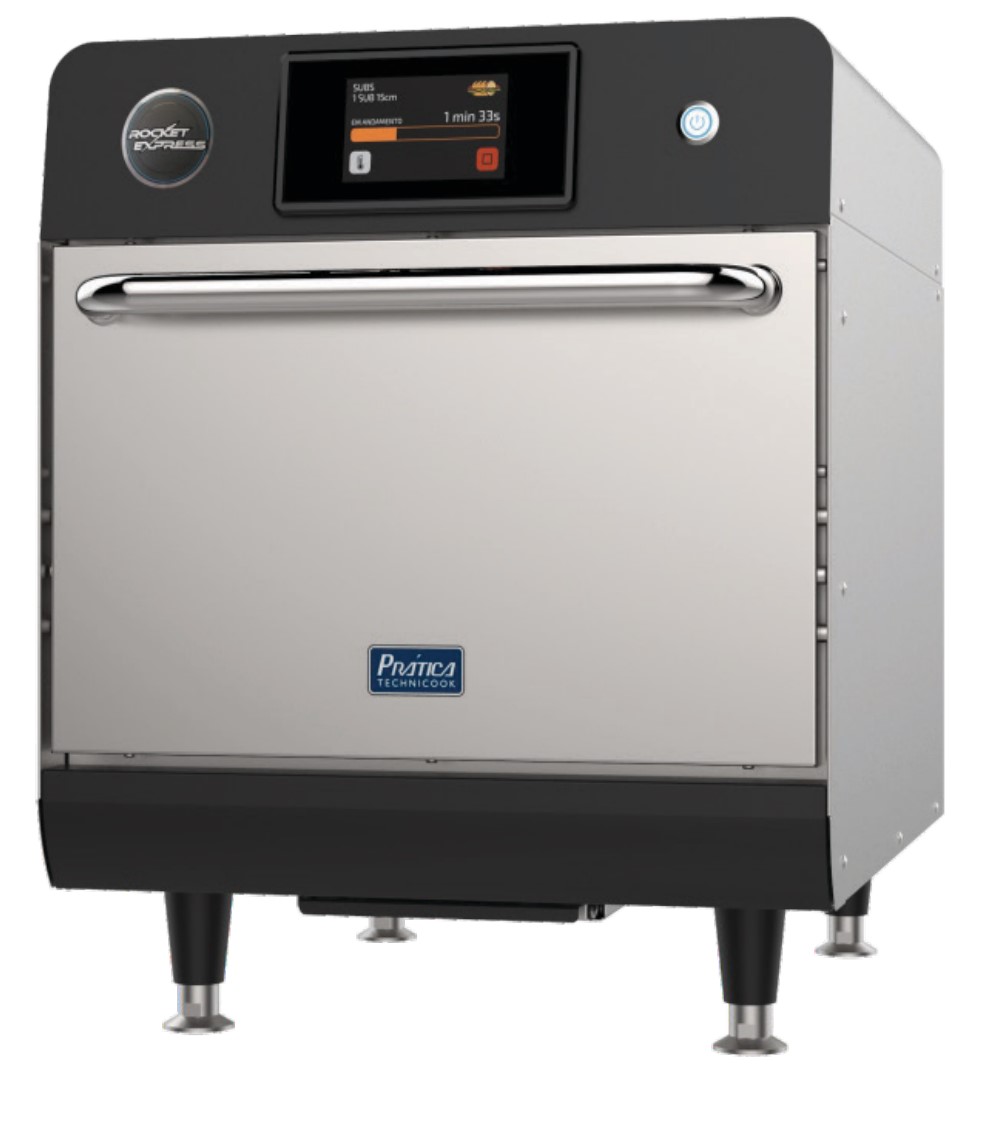
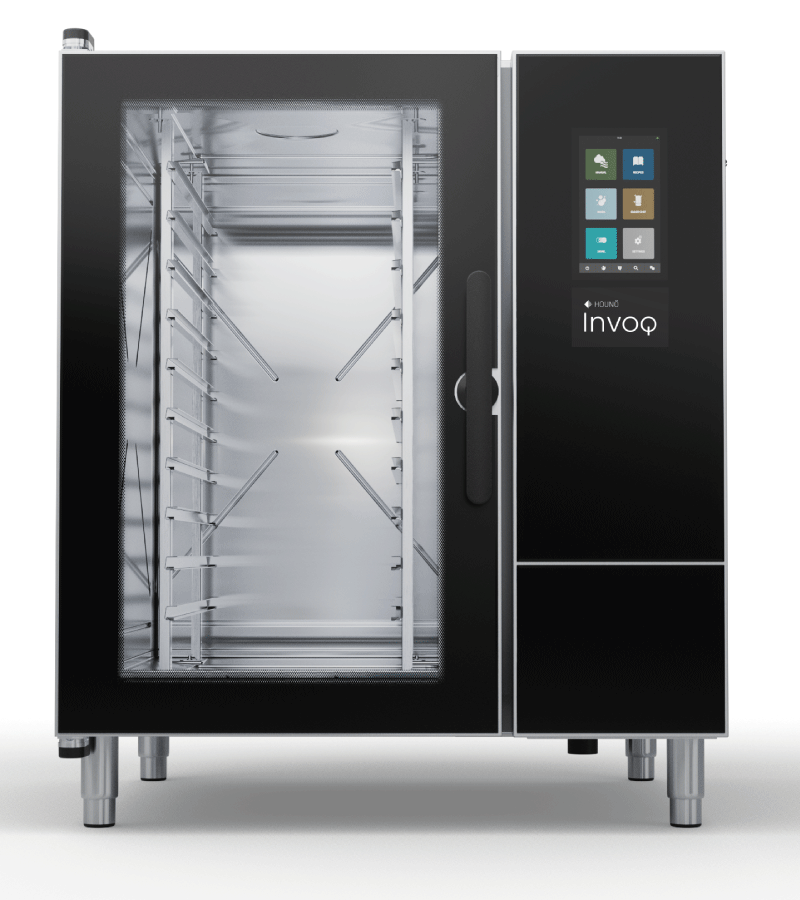
Another example of where prime cost proved beneficial, was when they invested in a high-speed oven. The initial cost was definitely significant but it significantly reduced cooking times for certain dishes. This meant the catering company could cater more events with the same staff - which meant that the labour costs were reduced per event.
6 Proven Ways to Reduce Food Costs in Catering
Over the years, I've seen systematic approaches to controlling and reducing food costs in a catering business. Here are the steps you can follow:
1. Tracking Expenses
Carefully track all food-related expenses. This includes not just ingredient costs, but also things like delivery fees and storage costs. Using specialised catering software can help you record and categorise these expenses accurately. This level of detail can help you identify areas where you might be overspending.
2. Reducing Food Waste
A first-in, first-out (FIFO) inventory system can be very effective. Training your staff on proper food handling and storage techniques can really minimise waste. Conducting weekly waste audits where you analyse what's being thrown away and why can also make a difference. This practice can help reduce your food waste.
Reducing waste deserves particular attention because every ingredient thrown away represents money your business has already spent. For more practical strategies, see our complete guide on how to reduce food waste in a commercial kitchen.
3. Negotiating Prices
I recommend regularly negotiating with suppliers to get the best prices. Building strong relationships with multiple suppliers will give you leverage in these negotiations. For example, by committing to a certain volume of purchases with your main produce supplier, you may secure discounts on commonly used items.
4. Menu Engineering
You should regularly analyse your menu to identify high-cost, low-profit items. You can re-engineer these dishes to make them more profitable or simply remove them from the menu. For instance, you have a seafood dish that is popular but has a high food cost percentage - what to do? Instead of removing it, you could redesign the dish to use less seafood and more vegetables. This would maintain its appeal whilst also improving its profitability.
5. Implementing Food Cost Controls
Using portion control tools and standardised recipes can ensure consistency and control costs. Each dish might have a detailed recipe card with exact measurements that staff are trained to follow precisely. Scales and portion scoops can also ensure accuracy.
6. Training Staff
Training staff is very effective in controlling food costs. Make sure that the staff understand the importance of food cost control and know how to implement your strategies. Holding monthly training sessions covering topics like proper storage techniques, efficient prep methods and the impact of waste on your business can also be effective.
Advanced Strategies for Controlling Food Costs
Here are some advanced strategies you can use to keep your food costs in check:
1. Data-Driven Culture
Investing in software that tracks your food costs in real time can help you make better decisions. For example, if you notice that the cost of a particular ingredient is rising, you can start looking for alternatives or adjust your menu pricing before it begins to significantly affect your margins.
2. Inventory Management
Conducting weekly inventory counts can help you make better purchasing decisions and avoid ordering more stock than you need.
In our business, we integrated our inventory system with our POS system. This helped us track usage patterns and predict future needs more accurately.
3. Daily COGS Review
Reviewing your Cost of Goods daily means you can identify and address any issues promptly. This will help you catch and correct problems quickly, for instance, identifying when a staff member is overportioning a particular ingredient.
4. Year-Round Forecasting
Using historical data and industry trends can help you forecast your needs throughout the year - which, in turn will allow you to plan your purchasing more effectively. This can be very useful for seasonal ingredients or even planning large events.
5. Recipe Costing
Regularly updating your recipe costs can help ensure that your menu pricing remains profitable.
For us, we broke each recipe down to the gram, and then updated ingredient costs monthly to ensure that our pricing remained accurate.
6. Proper Pricing
You could use a pricing strategy and adjust your prices based on market conditions and costs. For instance, we offered a discount on dishes that use ingredients we needed to use up quickly or we increased the prices on dishes that used ingredients that were more expensive.
7. Tracking Variances
You might also monitor variances between actual and ideal food costs and investigate any significant discrepancies. This will help identify issues such as theft, waste or even incorrect portioning.
8. Reviewing Supplier Contracts
Maintaining communication with your vendors is also key as well as regularly reviewing your contracts. This ensures that you are getting the best value. You could also compare prices across vendors to ensure that you are getting competitive rates.
By implementing these strategies, you will be able to keep your food costs under control even in challenging times.
And remember, controlling food costs is an ongoing process that really requires constant attention and adaptation. But, with the right strategies in place, it is possible to maintain profitability without compromising quality.
Catering Food Cost Control Checklist
-
Track ingredient prices regularly
-
Calculate food cost percentage
-
Monitor actual vs ideal food costs
-
Cost every recipe
-
Standardise portion sizes
-
Conduct regular inventory counts
-
Use FIFO stock rotation
-
Record and analyse food waste
-
Review supplier pricing
-
Monitor high-cost menu items
-
Forecast upcoming events
-
Train staff on cost control
Frequently Asked Questions
What are the main components of food costs in catering?
In my experience, the main components of food costs in catering include:
1. Raw ingredients: This will form the bulk of your food costs and includes all the fresh produce, meats, dairy, and dry goods that you use in your dishes.
2. Beverages: Both alcoholic and non-alcoholic drinks can significantly impact food costs.
3. Condiments and garnishes: These small items can add up quickly if not properly managed.
4. Disposable supplies: Items like napkins, to-go containers, and disposable cutlery are often overlooked but can impact overall costs.
5. Food waste: This includes not only spoiled food but also overproduction and trim waste from food prep.
It's important to consider all these components when calculating your total food cost.
How can I calculate the food cost percentage for my catering business?
To calculate your food cost percentage:
1. Determine your total food cost for a given period
2. Divide this by your total food sales for the same period
3. Multiply by 100 to get the percentage
For example, if your food cost is €5,000 and your food sales are €20,000, your food cost percentage would be (5,000 / 20,000) * 100 = 25%.
In our business, we calculated this percentage weekly to keep a close eye on our performance. We aimed to keep our food cost percentage between 28-30%. If it crept above 30%, we knew we needed to take action to bring it back down.
There is no single ideal food cost percentage for every catering business, as the right target will depend on your menu, pricing, service model and other operating costs.
What are some effective strategies for reducing food waste in catering?
Based on my experience, here are some effective strategies for reducing food waste:
1. Implement a first-in, first-out (FIFO) inventory system: This ensures older stock is used before it spoils. Labelling all incoming ingredients with the date of receipt and then organising your storage areas accordingly is effective.
2. Use portion control tools: Ensuring consistent serving sizes not only controls costs but also reduces waste. You could use scales, portion scoops, and standardised recipes for all your dishes.
3. Train staff on proper food handling and storage techniques: Proper training can significantly reduce waste due to spoilage or improper preparation. Monthly training sessions can help.
4. Regularly analyse your menu: Identify and eliminate unpopular items that may be leading to waste. You might review your menu quarterly and adjust based on sales data and ingredient usage.
5. Consider donating excess food to local charities: Where legally permitted, this can reduce waste and support your local community. Partnering with a local food bank can be beneficial for all involved.
6. Use software to track inventory and predict needs more accurately: You can use a specialised catering software that helps you track inventory levels and predict future needs based on upcoming events and historical data.
7. Repurpose ingredients: Get creative with using leftover ingredients in new dishes. For example, you could use vegetable trimmings to make stocks and sauces.
What is a good food cost percentage for catering?
There is no single food cost percentage that is right for every catering business. Your ideal percentage will depend on factors such as your menu, ingredient costs, pricing, labour and type of catering service. The important thing is to set a realistic target for your business and monitor it regularly so you can quickly identify unexpected increases.
How often should a catering business calculate food costs?
It’s a good idea to monitor your food costs regularly rather than waiting until the end of the year. We found that checking our overall food cost percentage weekly helped us spot problems early. Recipe costs should also be reviewed whenever ingredient prices change significantly so your menu pricing remains accurate.
Final Thoughts
When we implemented these strategies, we saw a significant reduction in our food waste over a year. This had a substantial positive impact on our bottom line.
Always remember, reducing waste not only cuts costs but also contributes significantly to sustainability which can be very important to some customers. For us, we found that our efforts to cut waste were well received by our clients who especially appreciated our commitment to sustainability.
Controlling food costs doesn’t mean choosing the cheapest ingredients or cutting back on quality. It’s really about knowing where your money is going and finding small ways to work more efficiently.
With good planning and a well-trained team, you can keep your costs under control while still delivering the high quality your customers expect.