












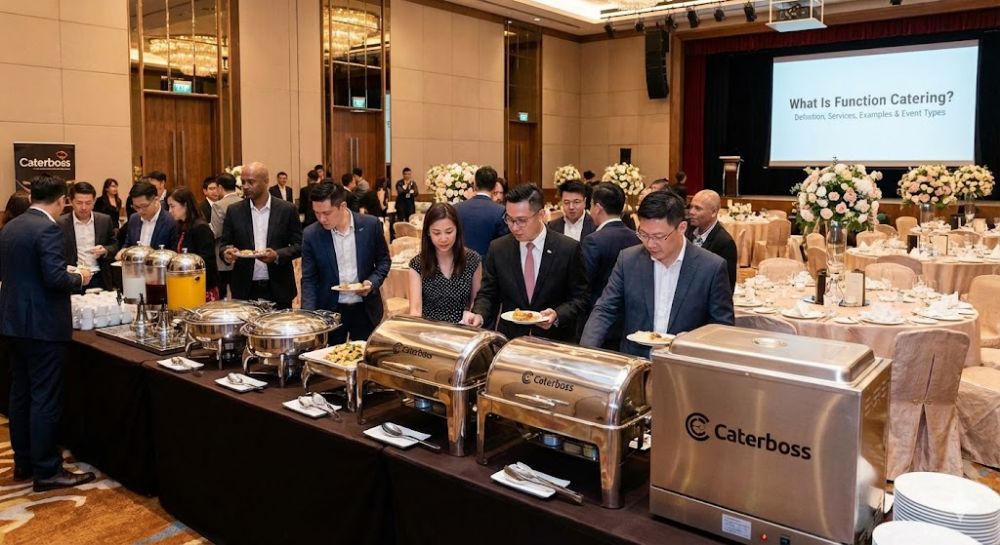
What Is Function Catering? Definition, Services, Examples & Event Types
Function catering is key to successful events, transforming ordinary occasions into memorable experiences. It is a professional food service provided for organised events at a specific location and time, such as weddings, corporate functions, conferences, and private celebrations. It typically includes menu planning, food preparation, service, setup, and cleanup.
Having spent years in the catering business, I've seen how this culinary art combines great food, excellent service, and careful planning. Let's explore the world of function catering, looking at its details and sharing insights from industry leaders and my own experiences.
What Is Function Catering?
Function catering is more than simply providing meals. It's a specialized form of food service designed for particular events or functions, mostly catering to larger groups in a predetermined location and time.
What Does Function Catering Involve?
Essentially, function catering is about creating a tailored event catering dining experience that complements the overall event atmosphere. Careful planning, precise execution, and a deep understanding of the client's needs and expectations are key to this type of catering.
An impressive example of function catering was the Oslofjord Convention Center's remarkable feat of catering for 5,130 guests at a three-course banquet dinner. The planning and coordination required for this event was on a whole other level. It was truly mind-boggling:
- They divided the event into zones
- Assigned 186 waiters, 72 food preppers, chefs, and cleaning staff
- Managed to serve the main course and drinks to all guests in just 32 minutes and 50 seconds
This level of efficiency and coordination exemplifies the essence of function catering.
Types of Events That Use Function Catering Services
Function catering is very versatile, and can range from intimate gatherings of 20 people to large corporate function catering events with thousands of guests. Understanding the unique requirements of each event and then tailoring the service accordingly is key.
For example, a casual birthday party means the caterer should focus on creating a relaxed, family-style dining experience. In contrast, an elaborate black-tie gala means that every detail from the table settings to the plating of each dish, has to be absolutely perfect.
Function Catering Services Explained
A function catering event needs careful planning and coordination. It's not just about the food; it's about creating an incredible experience from start to finish.
Formal Function Catering Explained
For formal functions, there has to be a level of detail and precision that is extraordinary. I once catered a high-profile corporate awards ceremony where every detail had to exude sophistication. It started with a champagne reception, which was combined with carefully curated canapés that complemented the bubbly. The main dinner was a whopping five-courses, and each dish timed perfectly to allow for speeches and award presentations.
Informal Function Catering Explained
Then there are the informal functions. These can be challenging in their own way. In fact, creating a relaxed atmosphere while maintaining high standards of food quality and service for informal functions can be even more challenging at times.. For example: let’s say the event is a summer barbecue for a tech startup's team-building day. The caterer may need to set up food stations with interactive elements, like a build-your-own burger bar and a s'mores fire pit. And the key to this event would be to create a fun, casual atmosphere that still delivered on taste and quality.
Duties and Responsibilities in Function Catering
Caterers wear many hats. It is not just about food. They are also event planners, logistics experts, and sometimes even therapists for stressed-out clients!
Menu Planning: Crafting Culinary Experiences
Menu planning is where the magic happens! It's about understanding the client's vision, the event's theme, and the guests' preferences. Often a couple could want a menu that reflects their multicultural background. For this, a fusion menu that incorporates elements from both their cultures would be appropriate. This means that menus can offer a unique dining experience and can even tell a couple’s love story through food.
Event Coordination: The Art of Seamless Execution
Coordinating a catered event is like conducting an orchestra. Every element needs to be in perfect harmony. For large corporate conferences, a caterer often has to coordinate meal times with the speaker schedule, manage dietary restrictions for many people (sometimes over 500 attendees), and set up multiple food stations across a sprawling venue.
Food Preparation: Where Quality Meets Quantity
Preparing food for large groups without compromising on quality is a fine art. Indeed, some caterers use a combination of traditional cooking methods and modern technology to ensure consistency and excellence in every dish. When catering a charity gala, they might prepare a three-course meal for 800 people using sous-vide cooking for the main course to ensure perfect doneness.
Transportation of Food Items: Logistics and Food Safety
Transporting food safely and keeping its quality is important. There is specialized equipment and vehicles that make sure hot food stays hot and cold food stays cold. For beachside weddings where food must be transported over long distances, caterers rely on temperature-controlled vehicles and timed preparation to maintain freshness.
Setting Up Catering for Events: Creating the Perfect Ambiance
Setting up for an event is about more than just placing tables and chairs. It's about creating an atmosphere that enhances the dining experience. For a corporate gala, the caterer could transform a plain conference hall into an elegant dining space using lighting, floral arrangements, and carefully chosen table settings.
Food Service at Function Catering Events
This is where all the caterers hard work comes to fruition. Whether it's a plated dinner, a buffet, or food stations, the service needs to be impeccable. Often for weddings, the caterer needs to be kept on their toes as they may need to serve a seven-course tasting menu to 200 guests, timing each course perfectly to coincide with speeches and entertainment.
Cleaning Up: The Final Act of Catering for Events
The event might be over, but our job isn't done until everything is cleaned up and packed away. Some cleanup operations can be almost as big as the event itself; such as a large outdoor festival that catered for over 5,000 people. Great fun but a massive cleaning operation!
Choosing the Right Professional Catering Services: A Recipe for Event Success
Selecting the right caterer is crucial for the success of your event. Look for experience, flexibility, and a track record of success. Asking for references or to see examples of their previous work is standard - so don’t be afraid to ask!.
When choosing a caterer:
1. Schedule a tasting to sample the food and meet the team
2. Pay attention to their responsiveness and communication
3. Discuss logistics, including setup, service, and cleanup
4. Ensure they can handle dietary restrictions and last-minute changes
Remember, the right caterer can elevate your event from good to extraordinary. They bring so many things to the table - not just food but also expertise, creativity, and a commitment to excellence that can transform your vision into reality.
Frequently Asked Questions About Function Catering
Q: What is function catering?
A: Function catering is a specific type of food service for particular events, usually serving larger groups at set locations and times. It includes preparing and serving food, as well as planning the menu, coordinating the event, setting up, providing service, and cleaning up afterward.
Q: What services are included in function catering?
A: Function catering services typically include:
1. Menu planning and customization
2. Food preparation and cooking
3. Transportation of food and equipment to the venue
4. Setup of dining areas
5. Cleanup and breakdown of the event space
6. Handling of dietary restrictions and special requests
Q: How do I choose the right caterer for my event?
A: Choosing the right caterer involves researching reviews, reviewing portfolios, attending tastings, discussing logistics, and ensuring the caterer has experience with similar event types.
Q: What are the responsibilities of caterers when catering for events?
A: A caterer's responsibilities include:
1. Menu planning and food preparation
2. Sourcing ingredients
3. Managing food safety and hygiene
4. Coordinating with clients and vendors
5. Transporting food and equipment
6. Clean up duties
Q: How is food transported and maintained at the right temperature for event catering?
A: Professional caterers use temperature-controlled vehicles, insulated containers, monitoring devices, and on-site heating or cooling equipment to maintain food quality and safety throughout transportation and service.
Final Thoughts
This article should have enhanced your understanding of the different aspects of function catering, and you can now make informed decisions and create truly memorable events. Whether you're planning corporate event catering, wedding catering services, or a milestone birthday celebration, the right catering can transform your event from ordinary to extraordinary.
Planning a function requires the right food, service, and equipment. Understanding how professional catering works helps ensure your event runs smoothly!
Written by Nainsi, content writer at Caterboss, an Irish owned commercial catering equipment supplier in Ireland based in Carlow, supporting local Irish hospitality businesses all year round.