













Understanding Primary Catering: A Comprehensive Guide
As someone with extensive experience in the catering industry, I have witnessed the importance of primary catering - and its evolution. This sector really forms the backbone of the food service industry and accounts for a huge 63 per cent of the total catering market. Whether you're an aspiring chef, an event planner, or simply curious about the world of food service, understanding primary catering is crucial.
This blog will improve your understanding of Primary Catering and its importance.
Table of Contents
1. Understanding Primary Catering
2. Primary Catering Meaning (What is Primary Catering?)
3. Examples of Primary Catering
4. Types of Primary Catering Establishments
o Hotels
o Restaurants
o Bars and Pubs
o Popular Catering
5. Operational Details of Primary Catering
6. Equipment Needs in Primary Catering
7. Primary vs. Secondary Catering
o Primary Catering Services
o Secondary Catering Services
8. Catering Policies and Requirements
9. Trends in Primary Catering
10. Challenges in Primary Catering
11. The Future of Primary Catering
12. Frequently Asked Questions
What is Primary Catering? (Primary Catering Meaning)
So what is it? Primary catering (which can also be known as B2C or social catering) essentially refers to establishments that focus primarily on providing food and beverage services as their main source of revenue. It is more than just an additional service; it is where culinary delights take center stage!
The world of primary catering is vast and diverse. So many establishments have different approaches to serving food and drinks. For instance, the approach taken by an upscale hotel can differ greatly towards a cozy neighbourhood pub. However, they do all share a common goal: to generate their primary income from serving customers food and beverages.
Examples of Primary Catering
· Restaurants
· Hotels
· Pubs and bars
· Fast food outlets
· Food courts
· Street food vendors
Types of Primary Catering Establishments
Hotels
Hotels in particular offer a unique blend of accommodation and food services. In my experience, having worked in various hotels, I have seen them provide a vast range of catering services. A typical hotel might offer:
- Coffee shops for quick bites and caffeine fixes
- Room service for in-room dining experiences
- Banquet halls for large events and celebrations
- Specialty restaurants for fine dining experiences
- Grill rooms for casual yet sophisticated meals
- Cocktail bars for evening relaxation
The diversity in hotels allows them to cater to a wide range of customers wants and needs. I once worked on a project where we transformed a hotel’s extra space into a rooftop bar and grill. The result? A huge 30 per cent increase in food and beverage revenue in one year!
Restaurants
Then there’s restaurants. The heart of primary catering. They are dedicated solely to serving delicious food and scrumptious beverages. In fact, the word “restaurant” itself is derived from the French word “restaurer” which means “to restore” - reflecting their original purpose of restoring strength through nourishing food. A fun fact - you learn something new every day!
In my career, I've seen restaurants evolve and diversify. Today, we have:
- Specialty restaurants focusing on specific cuisines or dishes
- Fast food outlets for quick, convenient meals
- Casual dining restaurants for relaxed, everyday meals
- Fine dining establishments for gourmet experiences
Many types of restaurants offer a unique dining experience. For instance, I know of a restaurant that focused exclusively on different types of grilled cheese sandwiches. Despite some skepticism initially, the concept took off and the restaurant now is extremely prosperous and busy, serving over 500 customers daily.
Bars and Pubs
Bars and pubs hold a special place in the primary catering world. Although they are associated more with drinks, many of them offer exceptional food as well. The word “pub” is short for “public house” referring to their historical role as community gathering places.
Successful bars and pubs can often serve as the heart of a community. They can be very social offering a space for people to get to know each other or to catch up. I know of a pub that was struggling that turned its fortunes around by introducing a weekly trivia night and a menu of delicious snacks. After six months, their weeknight revenue had doubled!
Popular Catering
Popular catering, sometimes known as “casual dining” has significantly grown in recent years. This type of catering offers affordable, tasty meals in relaxed settings. For instance;
- Fast food chains
- Food courts in shopping malls
- Street food vendors
There are many amazing examples of popular catering all around the world, For example, in Nepal, you can find a “mo:mo corner” which serves incredible dumplings or a “sekuwa corner” which is dedicated to offering grilled meat delicacies. These establishments often become local institutions, known and loved for their consistent quality and affordability.
Operational Details of Primary Catering
Primary catering establishments are mostly operated by the private sector - driven by a profit motive. This influence can be seen from menu planning to pricing strategies. The most successful of these establishments are those that can strike a delicate balance between providing top quality food and service whilst also maintaining a profit.
For instance:
1. New York Food Truck Association
- Started with a $25,000 investment and a team of five
- Pivoted from food trucks to events catering and corporate marketing
- Achieved over $1 million in revenue in the first year
- Now brings in $2.4 million annually with consistent 50% year-over-year growth
2. Elegante Catering
- Started with just $500 and a team of ten
- Focused on online marketing, SEO, and customer feedback
- Now generates almost 500 times that in annual revenue
These success stories demonstrate that with the right strategy and execution, primary catering can be highly profitable.
Equipment Needs in Primary Catering
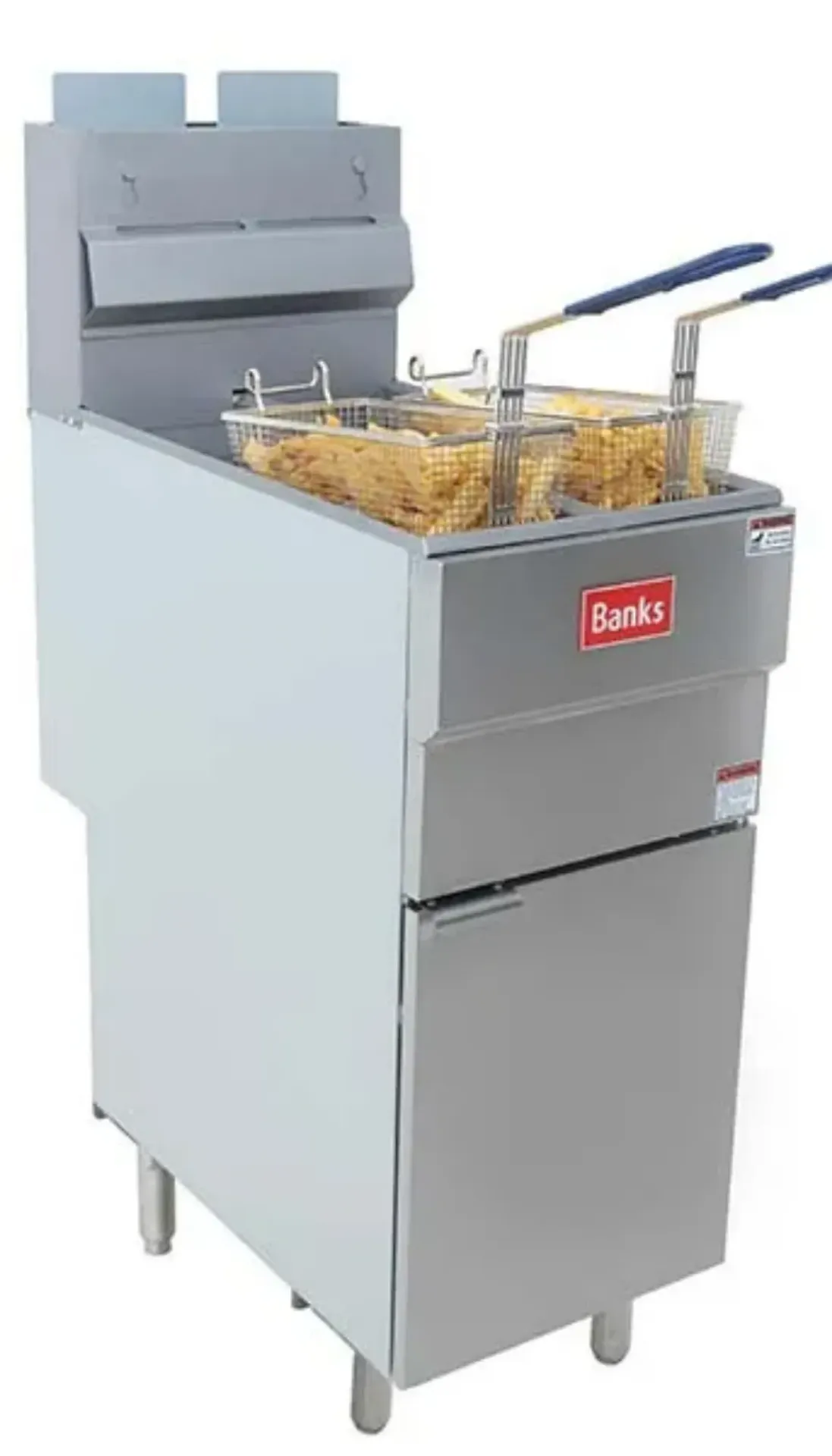
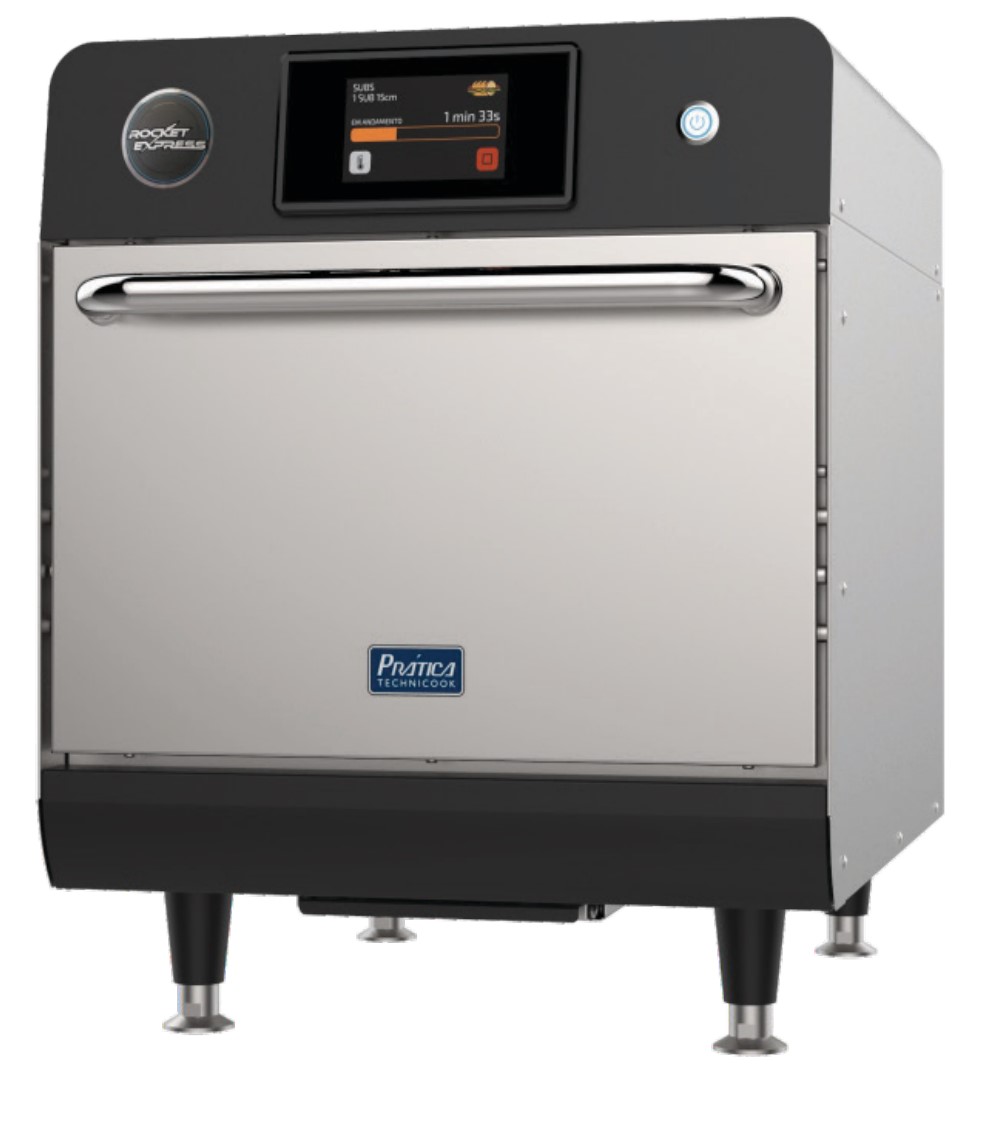
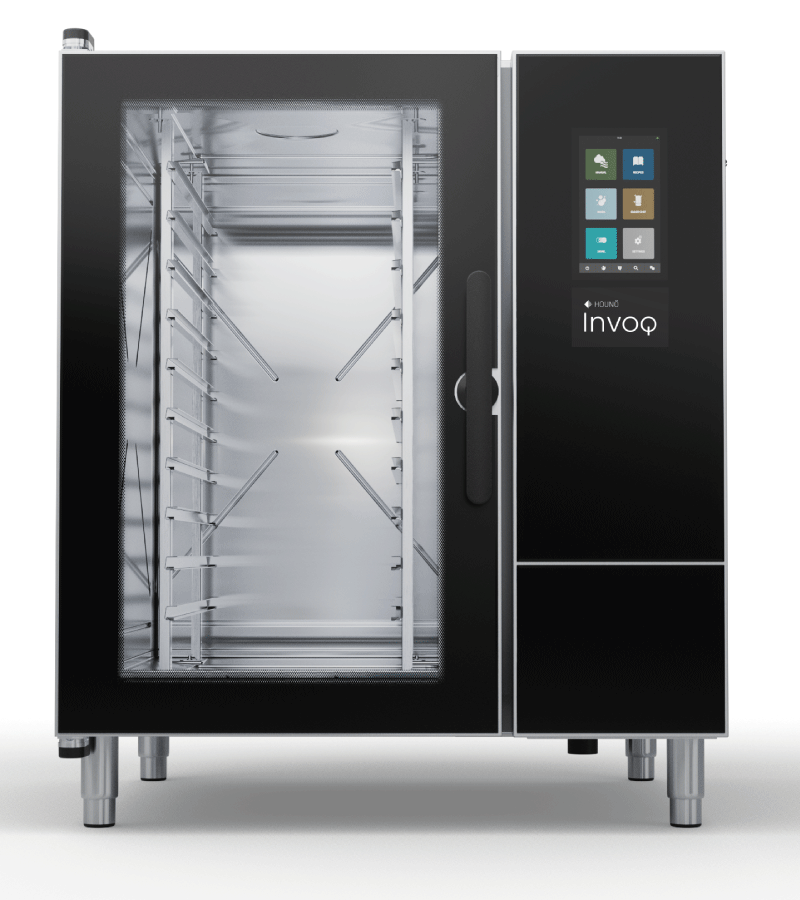
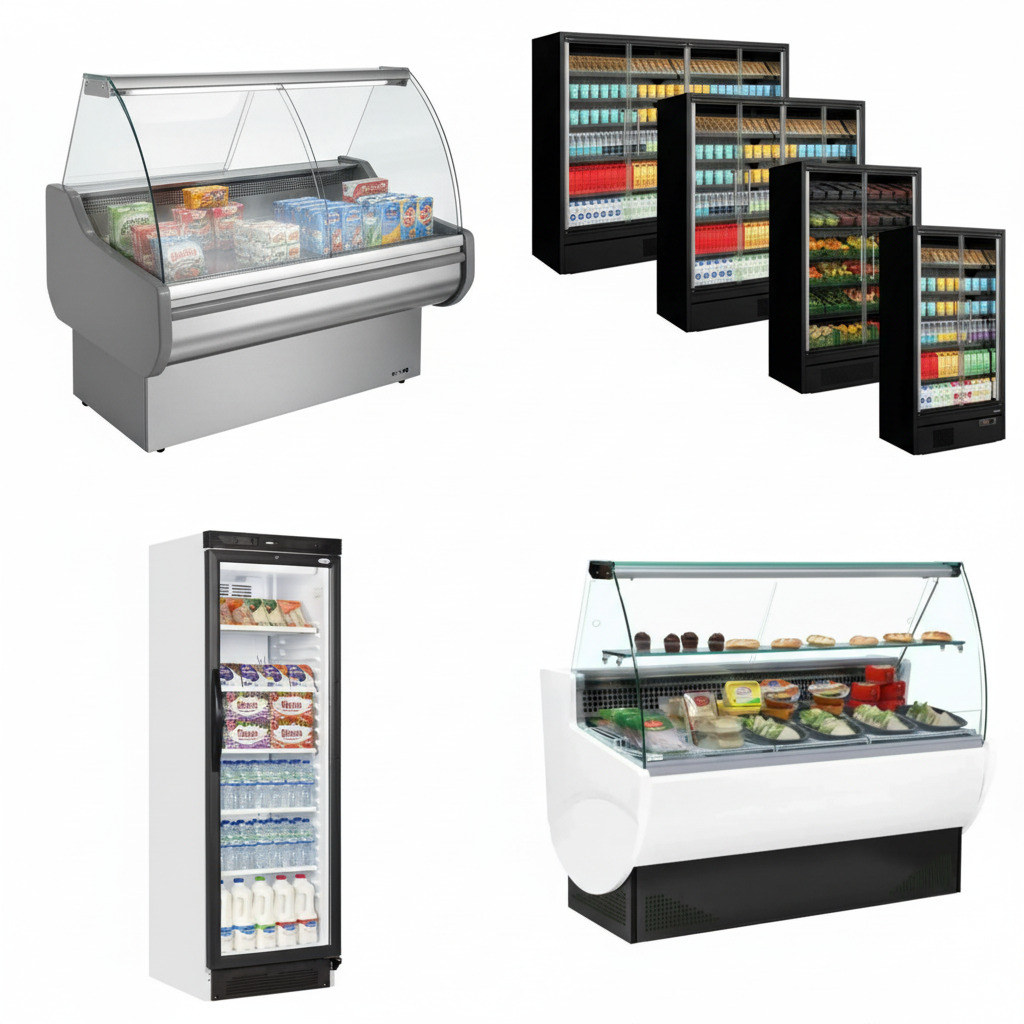
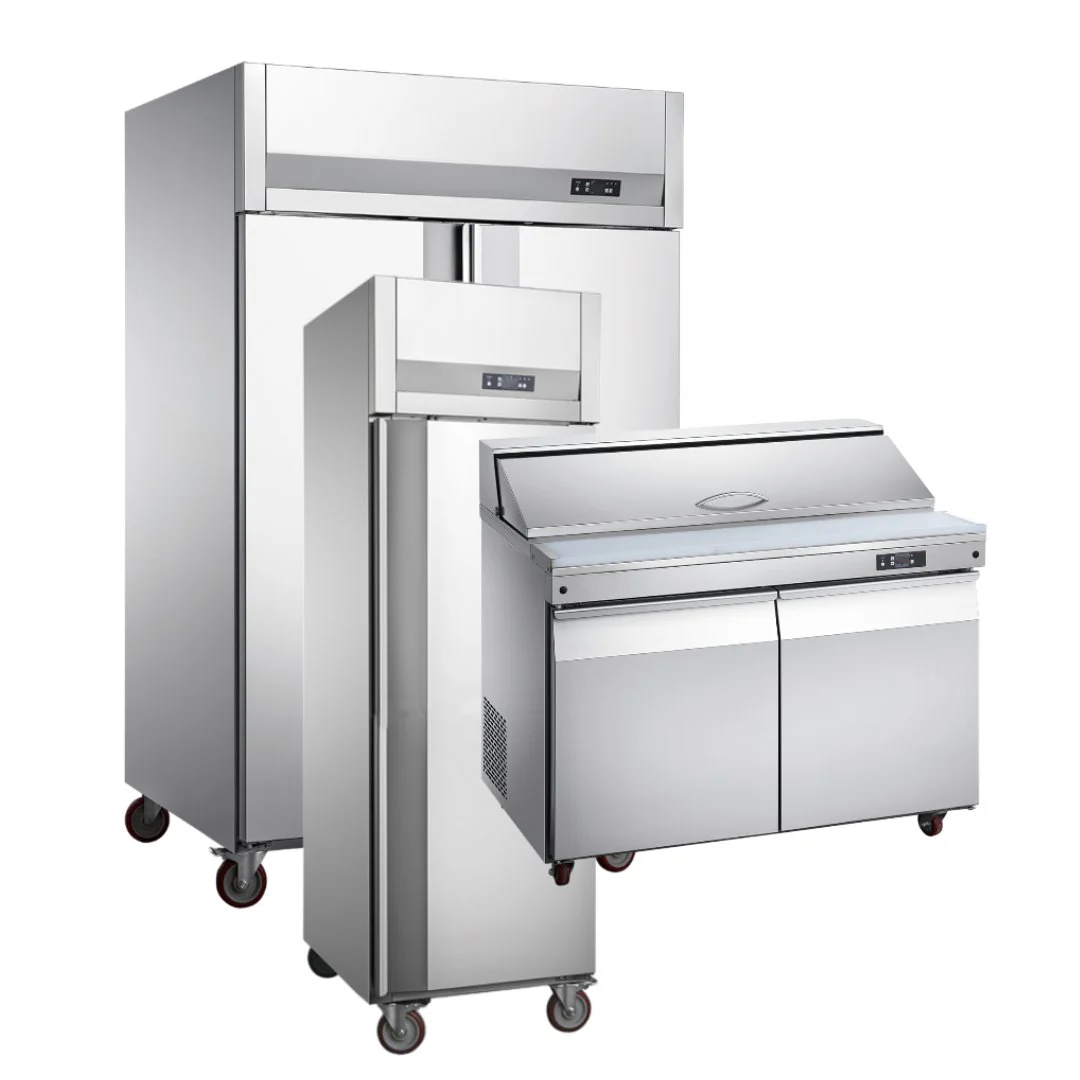
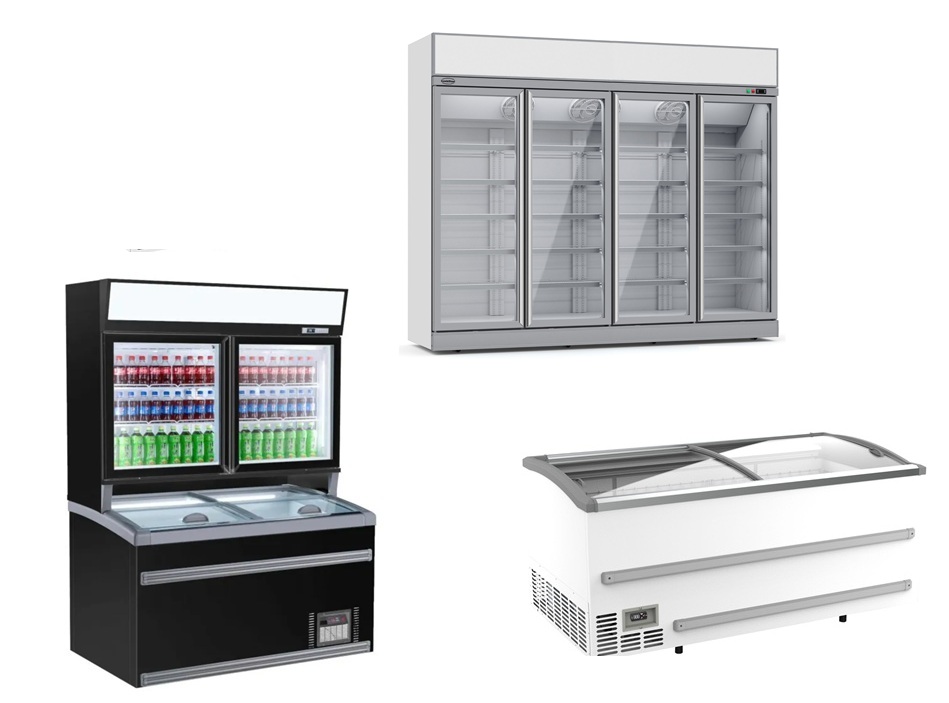
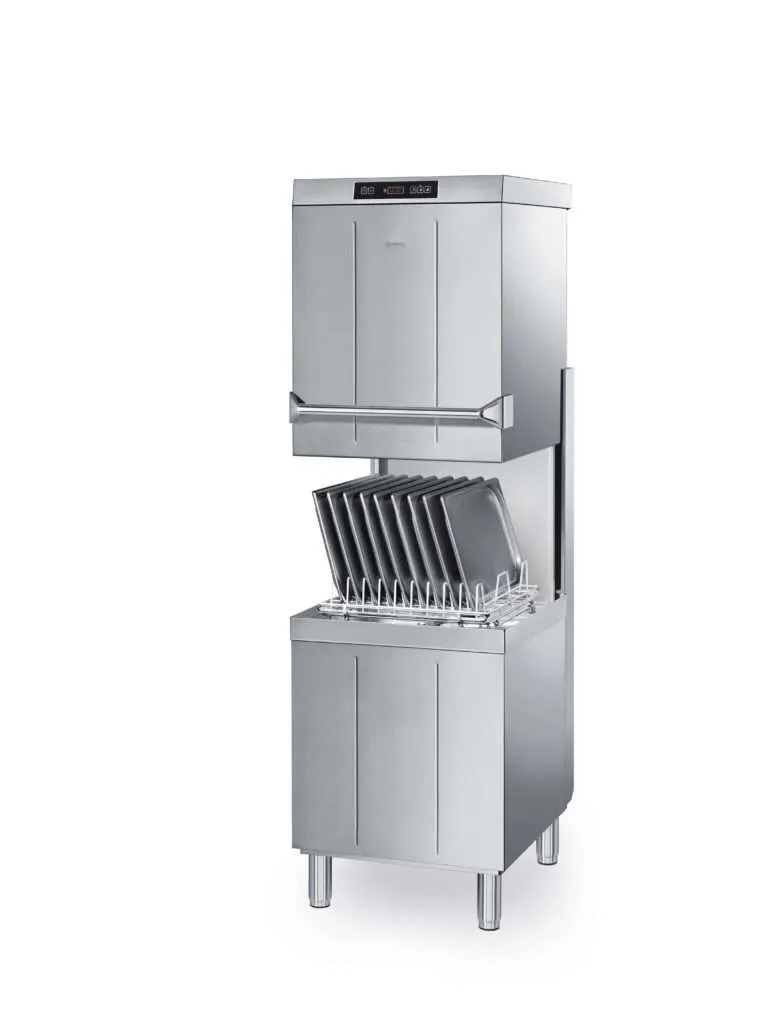
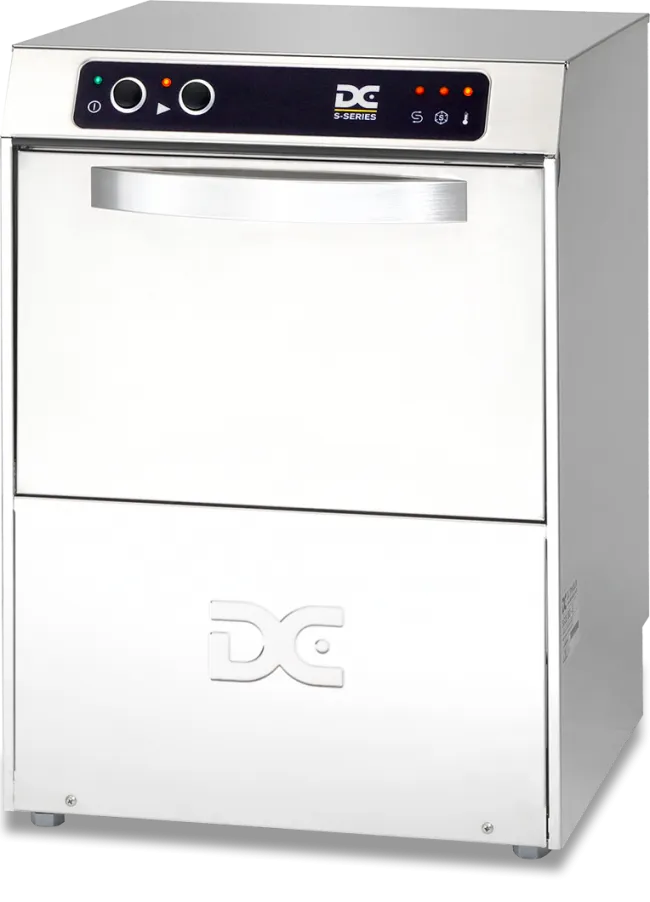
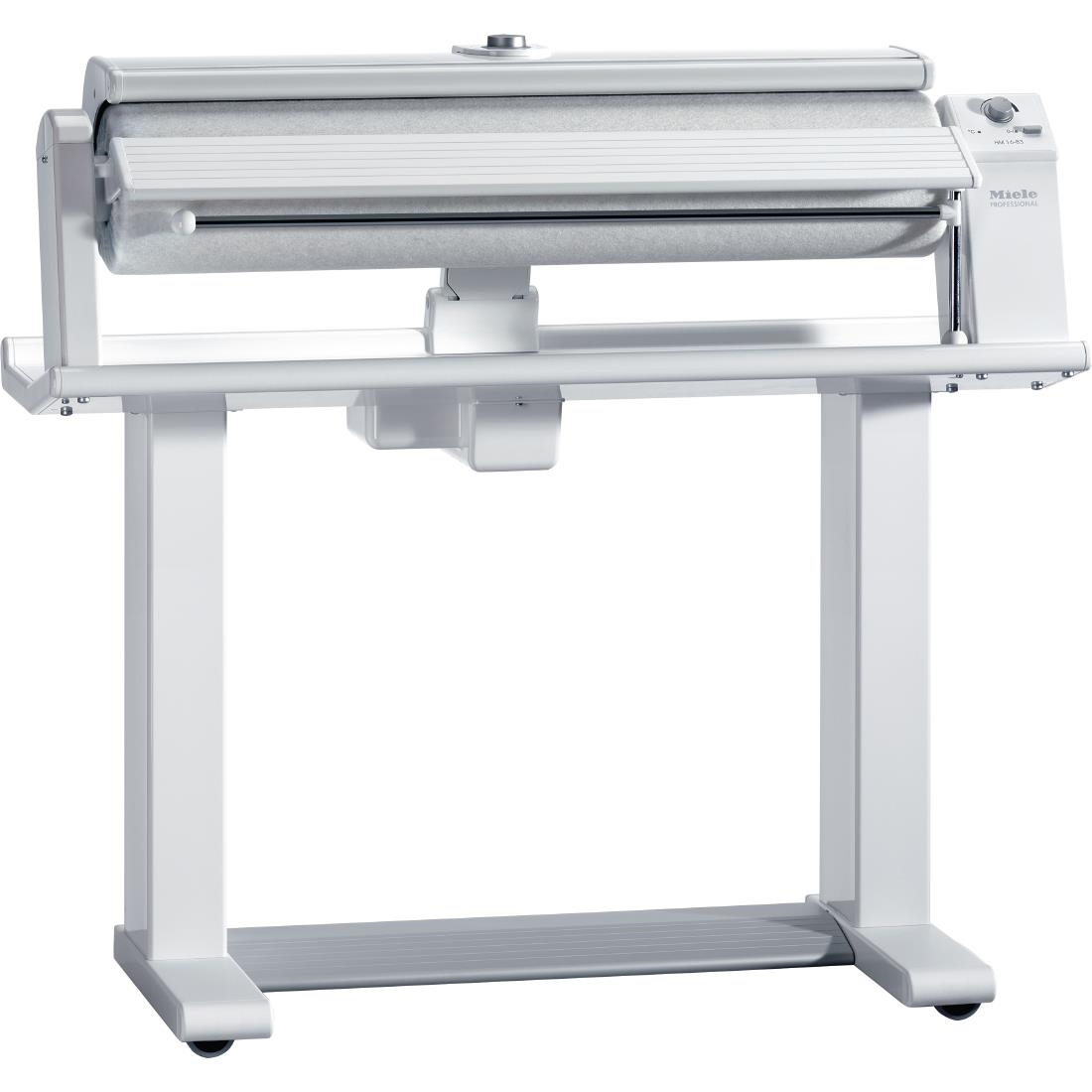
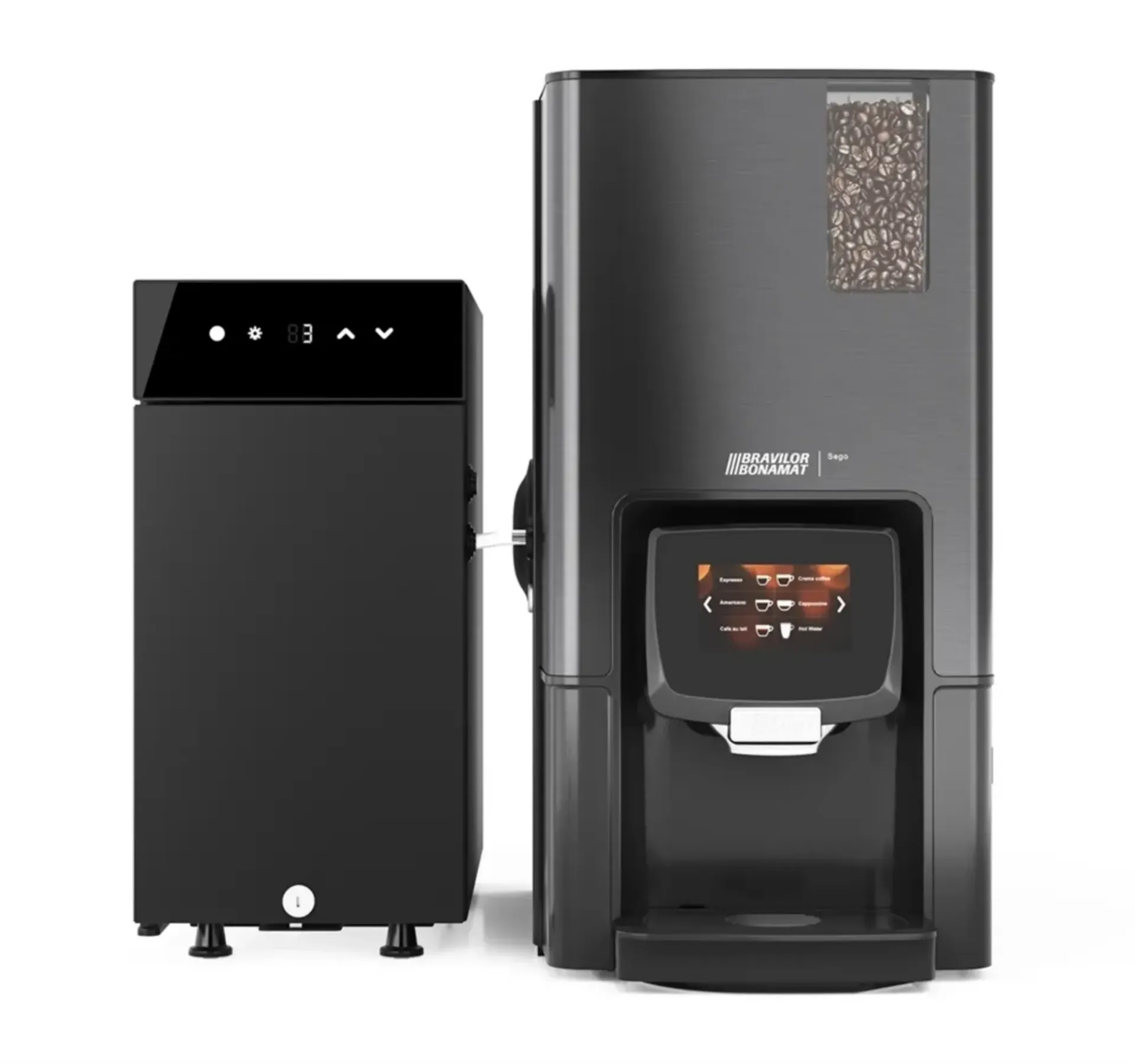
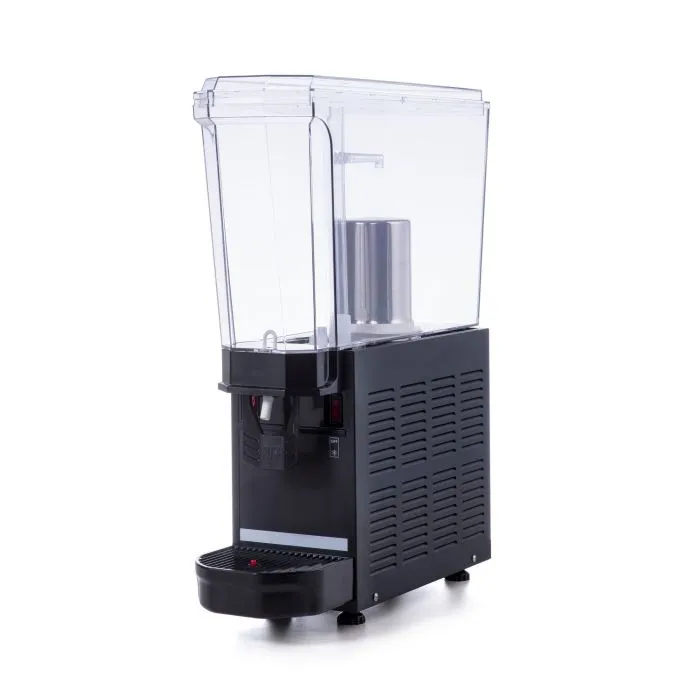
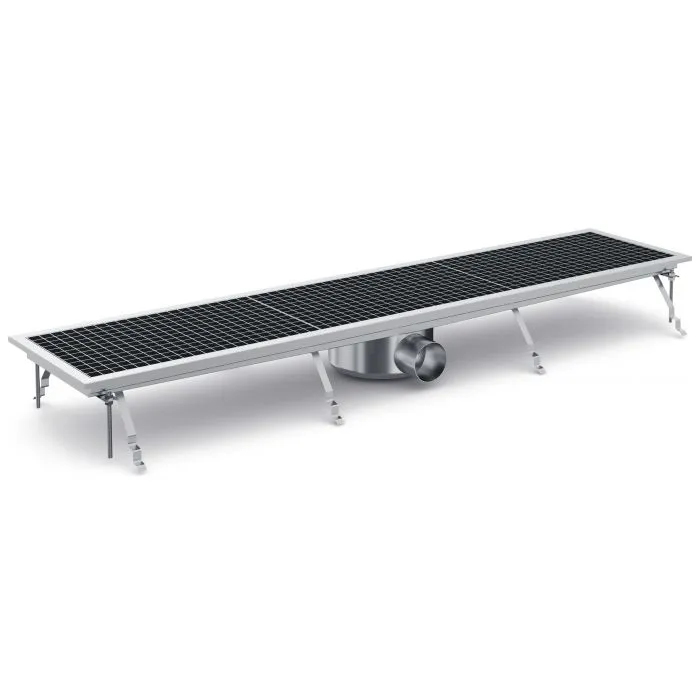
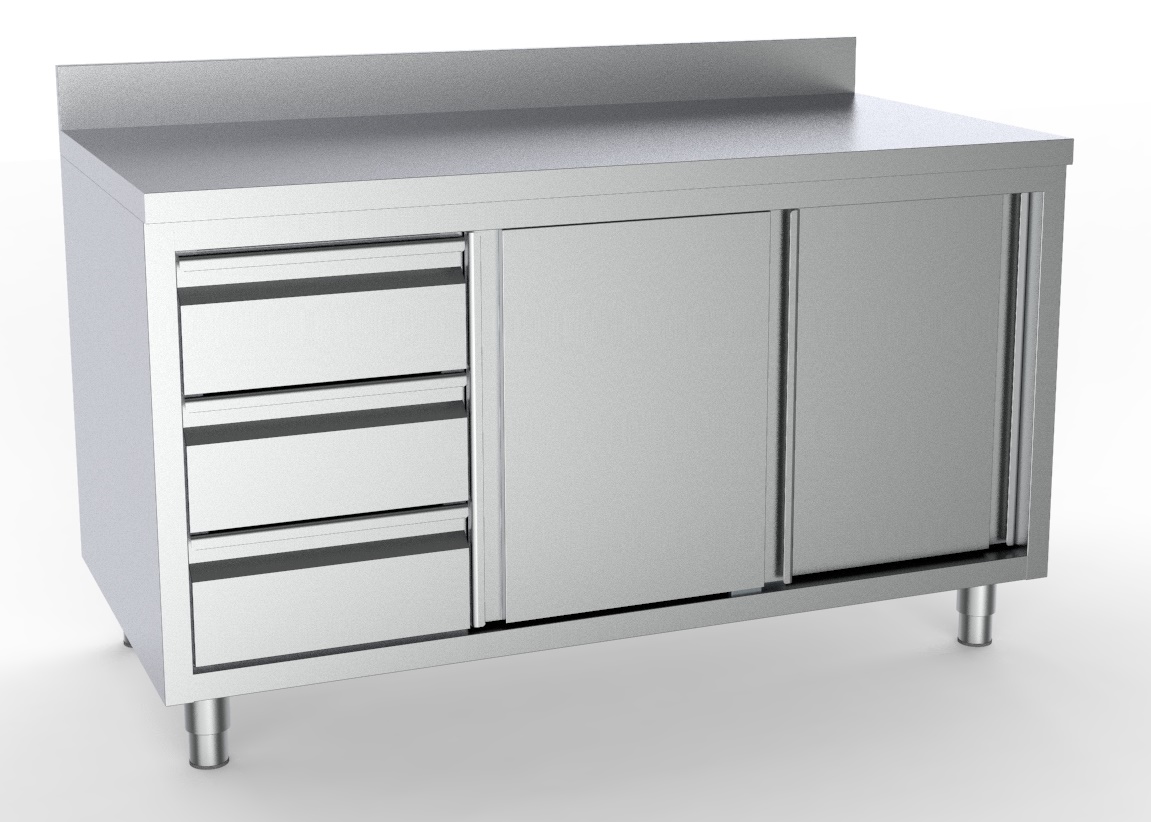
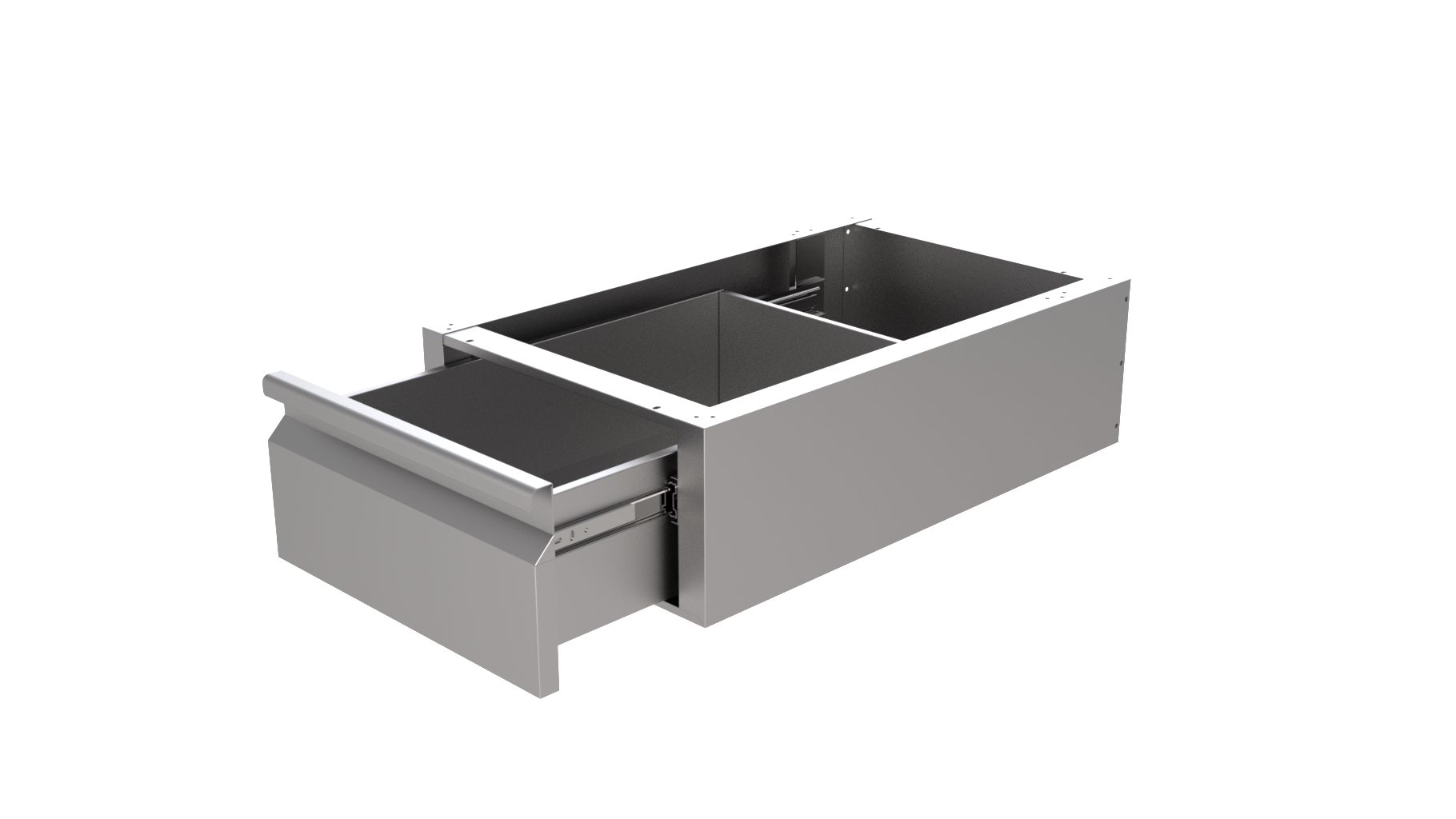
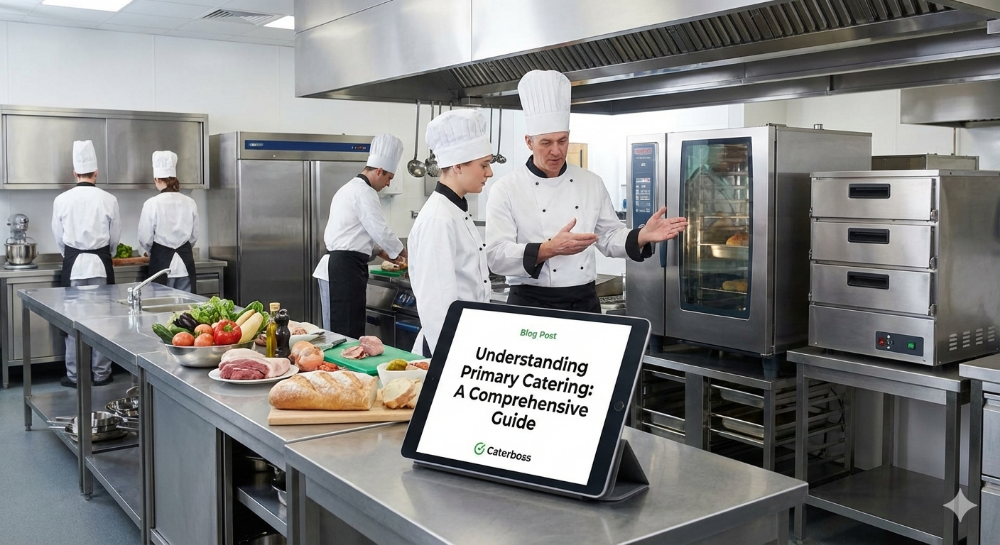
Reliable equipment is necessary for the smooth operation of any primary catering business. Since food and beverage service is the main source of income, having the right commercial catering equipment helps guarantee efficiency, food safety, and consistent quality. Equipment needs can differ based on the type and size of the operation. However, most primary catering businesses depend on the following key categories:
· Refrigeration equipment, such as upright fridges, freezers, and cold rooms, to maintain food safety and proper storage
· Cooking equipment, including ovens, grills, fryers, and hobs, to support different menu styles and service volumes
· Food preparation equipment, such as prep tables, slicers, mixers, and food processors, to improve kitchen efficiency
· Warewashing equipment, including commercial dishwashers and glasswashers, to meet hygiene and operational demands
· Ventilation systems, such as extraction canopies, to maintain air quality and comply with health and safety regulations
· Storage solutions, including shelving and ingredient bins, to keep kitchens organised and compliant
Choosing durable, commercial-grade equipment allows primary catering establishments to operate efficiently, reduce downtime, and scale their operations as customer demand grows.
Primary vs. Secondary Catering
Primary and secondary catering differ from each other and it is important to understand how.
Primary Catering Services
· Food and beverage service is the main source of revenue
· Operates mainly in the private sector
· Includes restaurants, hotels, pubs, cafés, and food trucks
· Greater control over menus, pricing, and service style
· Focuses on creating distinct dining experiences
· Success depends heavily on customer satisfaction and repeat business
Secondary Catering Services
· Food service is not the main purpose of the establishment
· Supports another primary function, such as education or healthcare
· Includes school canteens, hospital catering, workplace cafeterias, and airline catering
· Often operates under fixed budgets or contracts
· Menus and pricing may be more restricted
· Primary goal is service provision rather than profit maximisation
Catering Policies and Requirements
Understanding catering policies and requirements is important for anyone in the business. These policies can differ based on location and type of establishment.
Many institutions have specific rules for catering large events. For instance, some may require using approved caterers for purchases over a certain amount or completing specific forms for all catering orders.
It's also common to find exceptions and special rules for particular locations or types of events. Always check the specific policies of the venue or institution you are working with.
Trends in Primary Catering
The primary catering industry is constantly evolving. Here are some trends:
1. Sustainability Focus: Sustainable practices are becoming very popular. For instance, Harrow School in the UK has fully integrated ethical sourcing in its catering department, using locally sourced ingredients and supporting local farmers.
2. Health-Conscious Menus: There's a growing demand for healthier options. Many primary catering establishments are responding by offering more nutritious, balanced meals.
3. Technology Integration: From online ordering systems to digital menus, technology is transforming the primary catering industry.
4. Experiential Dining: Customers are, more than ever, looking for unique dining experiences. Thus themed restaurants were born.
5. Plant-Based Options: With the growing popularity of vegetarian and vegan diets, many establishments are expanding their plant-based offerings.
Challenges in Primary Catering
Primary catering does however, come with its share of challenges:
1. Labor Shortages: It can be difficult for establishments to find and retain staff.
2. Rising Food Costs: Fluctuating food prices can impact profit margins.
3. Changing Consumer Preferences: Keeping up with evolving tastes and dietary requirements can be challenging.
4. Regulatory Compliance: Adhering to health and safety regulations requires constant vigilance.
5. Competition: With the rise of food delivery apps and home cooking trends, competition in the industry is fierce.
The Future of Primary Catering
Looking ahead, there may be exciting developments on the horizon for primary catering:
1. Personalization: With advancements in data analytics, establishments will be able to offer more personalized dining experiences.
2. Ghost Kitchens: These delivery-only restaurants are likely to become more common, especially in towns and cities.
3. Automation: From robotic chefs to self-service kiosks, automation will play an increasing role in the industry.
4. Sustainability: Eco-friendly practices will become not just a trend, but a necessity for successful operations.
5. Health and Wellness Focus: The emphasis on healthy eating is likely to continue, with more establishments offering nutritious, balanced menus.
In conclusion, primary catering is a lively and varied part of the food service industry. It includes hotels, restaurants, bars, and popular catering businesses that focus on providing food and drink services.
Throughout my career, I've watched the industry change in response to shifting consumer tastes and economic conditions. The success stories I've shared show the potential for growth and profit in this sector. Whether you're a new entrepreneur, a hospitality student, or just someone curious about catering, understanding primary catering is crucial for navigating the food service world.
This field can be tough, but it also offers many chances for creativity, innovation, and success. Keep in mind that the main goal of primary catering is to offer great food and memorable experiences to customers. If you remember this, you'll be well on your way to succeeding in this exciting industry.
FAQs
Primary Catering Meaning
Primary catering refers to establishments that focus primarily on serving food and beverages as their main source of revenue.
What are examples of primary catering establishments?
Examples of primary catering establishments include hotels with multiple food outlets, standalone restaurants, bars and pubs that serve food, fast food chains, and popular catering spots like food courts or street food vendors. Each of these places primarily generates income through their food and beverage services.
How do primary catering services operate?
Primary catering services usually work in the private sector and aim to make a profit. They concentrate on delivering good food and service while staying profitable. This requires careful menu planning, setting prices, and providing strong customer service. Many successful primary catering businesses also focus on marketing, gathering customer feedback, and adjusting to local tastes and preferences.
Primary vs Secondary Catering?
The chief difference is the focus. Primary catering focuses on food and beverage service being the main offering eg. restaurants or bars. Secondary catering refers to food services that are not the focus of the establishment. Eg. cafeterias in schools or hospitals. Food is important to both but it is the primary revenue source in primary catering unlike secondary where it is an additional service.
What are some current trends in primary catering?
Current trends are health-conscious menus, a focus on sustainability, experiential dining and an increase in plant-based options. Local sourcing and ethical practices are also becoming more common for establishments.
What challenges does the primary catering industry face?
Challenges for the primary catering industry include: labor shortages, food costs, strict regulatory compliance requirements, and intense competition from different forms of food service.
How is technology impacting primary catering?
Technology is completely transforming primary catering. It is doing so through online ordering systems, digital menus, kitchen automation, data analytics for personalized experiences and the rise of delivery-only ghost kitchens. It can also improve efficiency and enhance the customer experience.
What skills are important for success in primary catering?
It really requires a mixture of skills. Skills such as business acumen, customer service expertise and adaptability. You also need to understand food safety regulations, menu planning, cost control and marketing. Skills in technology will become more and more important along with skills in sustainability practices.
Is primary catering the same as commercial catering?
Not always. Primary catering refers to businesses where food and drink are the main income source, while commercial catering is a broader term that can include other profit-driven catering services.
Is a hotel restaurant considered primary catering?
Yes. Hotel restaurants, bars, room service, and banqueting are all examples of primary catering because they generate revenue through food and beverage service.
How can primary catering establishments ensure food safety?
Ensuring food safety in primary catering involves several key practices:
1. Implementing a HACCP (Hazard Analysis and Critical Control Points) system
2. Regular staff training on food safety procedures
3. Proper food storage and temperature control
4. Regular cleaning and sanitization of all food preparation areas
5. Strict adherence to local health department regulations
6. Regular inspections and audits
What is the future outlook for the primary catering industry?
The future for primary catering looks promising although it certainly will come with some challenges. There will be personalized dining experiences, an increase in health focused and sustainable offerings and technology will be used more. The industry itself will continue to adapt to changing customer preferences and there may be an increase in delivery or takeout options. Although it will have challenges like labour shortages and rising costs, humans will never stop wanting good food and social dining experiences. Thus primary catering will remain a popular and thriving industry.
Written by Nainsi, content writer at Caterboss, an Irish-owned commercial catering equipment supplier supporting hospitality businesses across Ireland.