







Reputation Management for Hospitality Businesses: How to Handle Negative Reviews
These days, online reviews for restaurants and the hospitality industry matter more than ever, making reputation management for hospitality businesses a critical priority. Many times, one of the first things a prospective consumer does is check out what other people have said about the product or business. Years ago, reviews were mainly in the form of word of mouth or perhaps a short review piece in a newspaper. Nowadays, things are different. The ease in which a consumer can check reviews is as simple as a quick Google search of the business.
Key Review Platforms for Hospitality Businesses
There are many different websites dedicated to reviews such as:
· TripAdvisor: Dedicated to travellers and contains ratings and reviews for restaurants, hotels, cafés, and more.
· Yelp: A popular online platform that allows users to recommend restaurants and businesses to help others make informed decisions.
· Google Reviews: The easiest way to see ratings and reviews for any business. This is the most popular and dominant platform, and positive reviews here are extremely valuable. Most consumers check Google before visiting a business.
As mentioned, positive reviews are very important for businesses, but even the most successful business can sometimes receive a negative review. And no, it’s not the end of the world. In this blog, we outline why responding to negative reviews is vital, how to handle them with grace, and how to turn a negative into a positive.
Why Online Reviews Matter in Hospitality
Yes, online reviews matter, and there are statistics to back this up. According to a poll by Statista, 54 per cent of consumers consider online customer reviews extremely important when choosing a hotel. Similar figures were found when examining the importance of online ratings for hotels.
Other studies highlight even greater importance. For Google reviews in hospitality in particular, research shows that 88 per cent of diners consider Google reviews a top factor when choosing a restaurant. A significant number of guests avoid restaurants with a rating below four stars. Furthermore, 58 per cent of customers say that a response to a negative review made them feel less worried about that review.
Thus tangible evidence that online reviews have a substantial impact on trust, search rankings, and revenue.
Impact of Online Reviews on Hospitality Businesses
Impact on Trust and Credibility
· Social Proof: Statistics show how valuable ratings and reviews are for hospitality businesses. People trust online reviews as much as personal recommendations.
· Credibility and Authenticity: A business with mostly positive reviews and a small number of professionally handled negative reviews can appear more trustworthy than one with only five-star ratings.
· Trust Signals: Responding to both positive and negative reviews shows that a business values feedback and engages with customers.
Impact on Search Rankings (SEO)
Reviews are an official ranking factor for search engines:
· Local SEO for hospitality businesses: Review signals can increase visibility on Google and account for roughly 15 per cent of local ranking factors.
· User-Generated Content: Reviews provide fresh, keyword-rich content that search engines use to better understand relevance.
· Recency: Google favours recent reviews, meaning a steady flow of feedback helps maintain visibility.
Impact on Revenue
There is a direct correlation between online reviews and a business’s bottom line:
· Revenue growth: A one-star increase in average rating can lead to a 5–9% increase in revenue.
· Pricing power: Customers are often willing to spend up to 31% more on businesses with strong reviews.
· Negative review impact: A single negative review can deter around 30 potential customers.
Common Reasons Hospitality Businesses Get Negative Reviews
Service Delays and Staff Issues
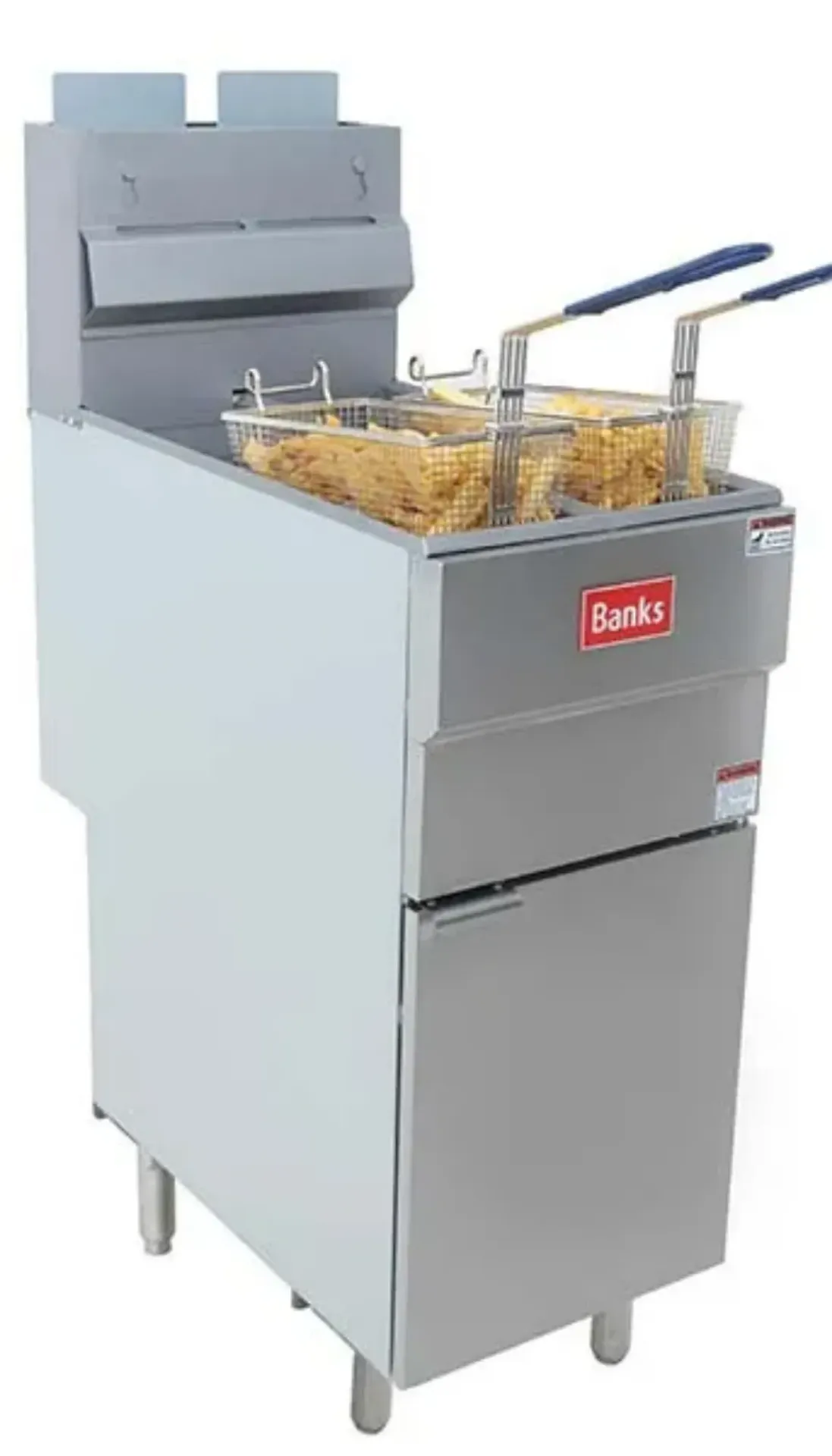
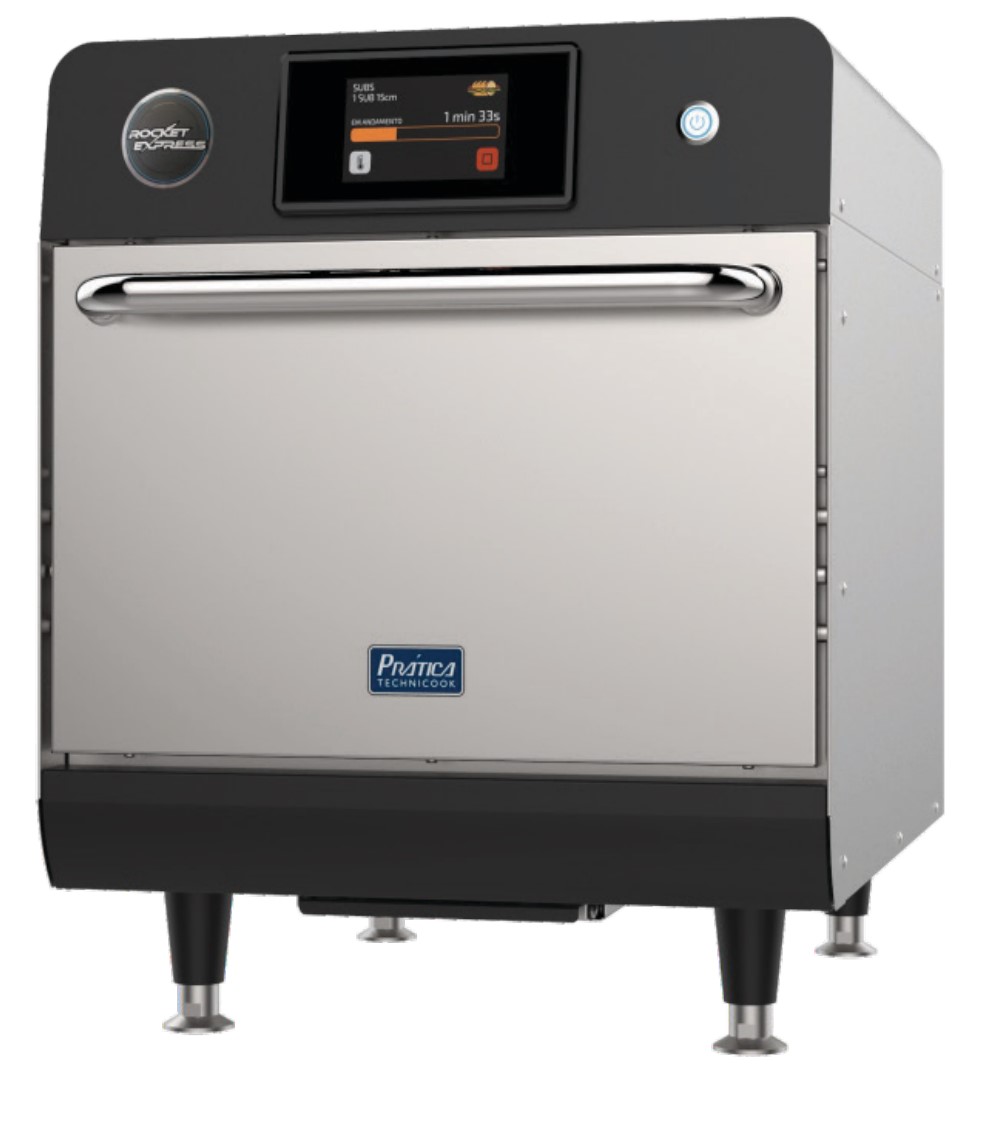
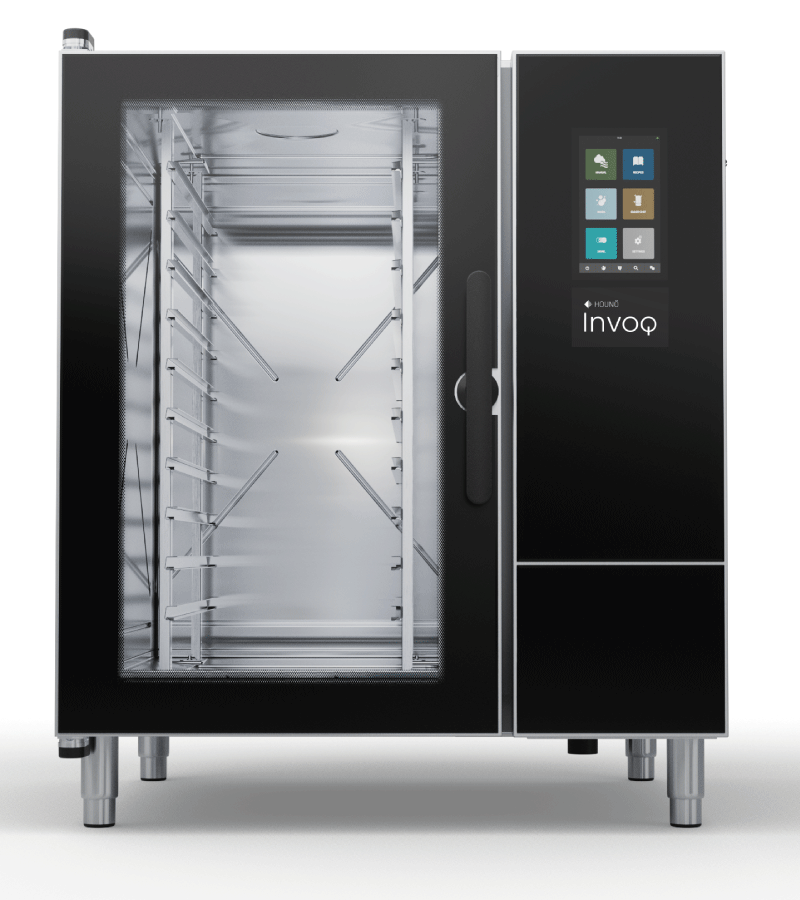
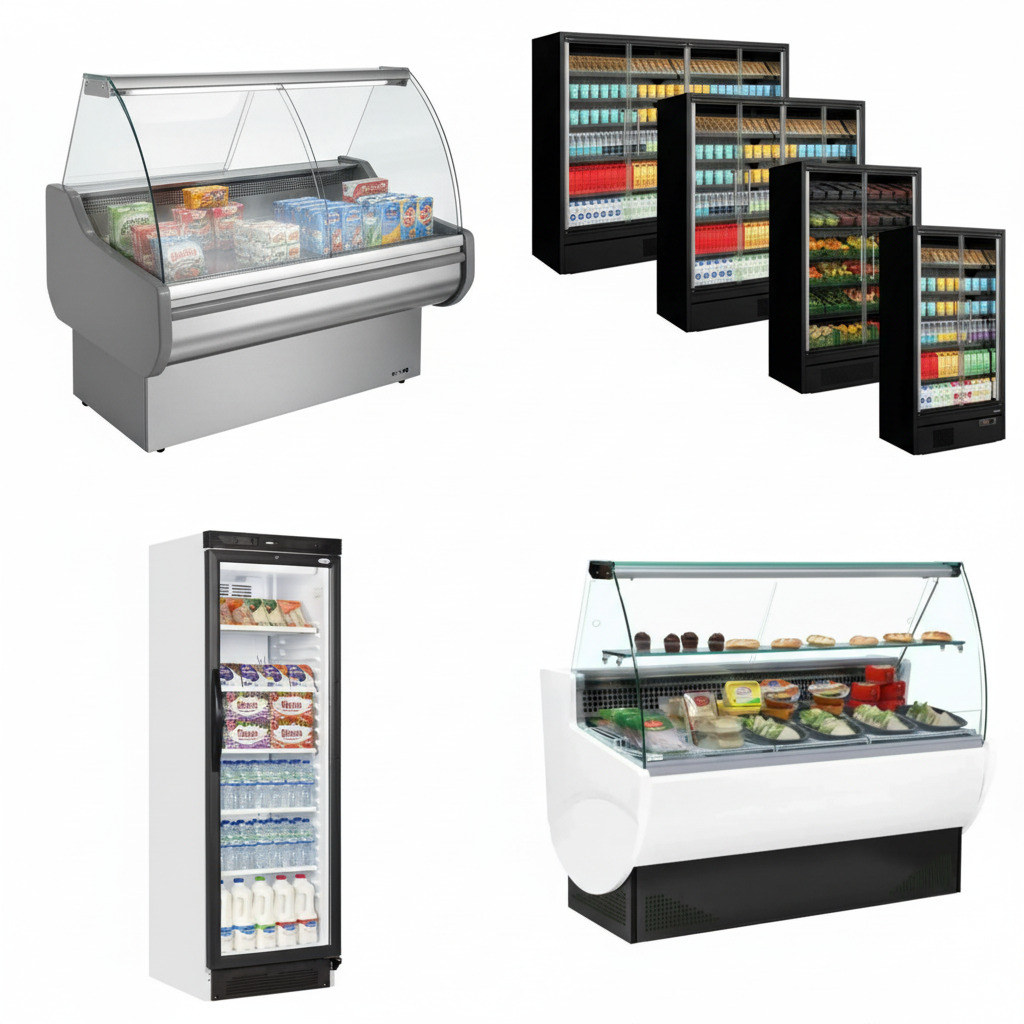
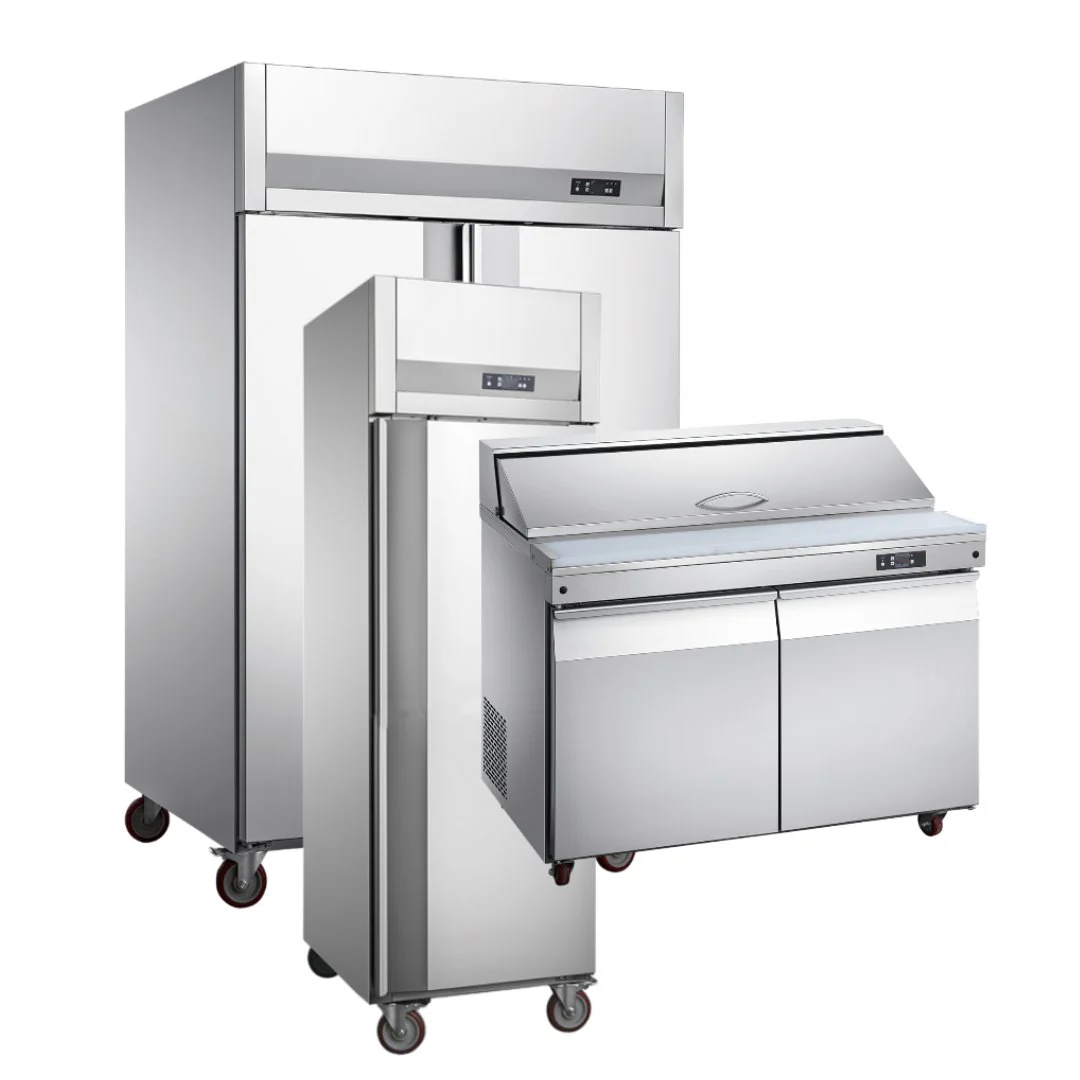
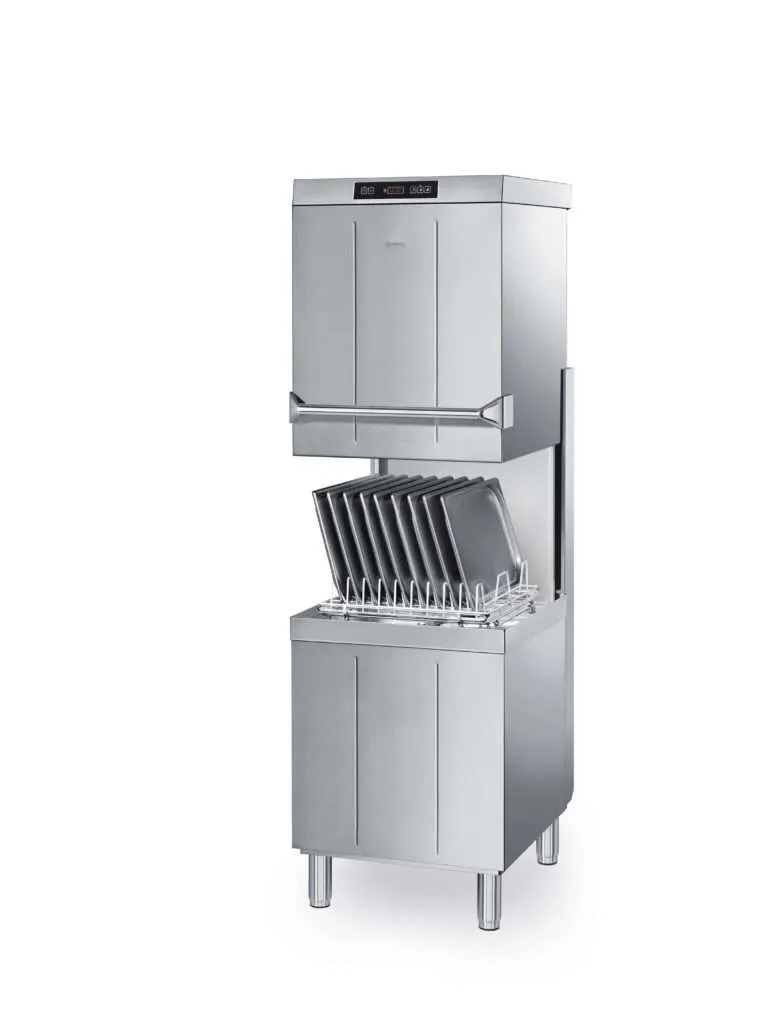
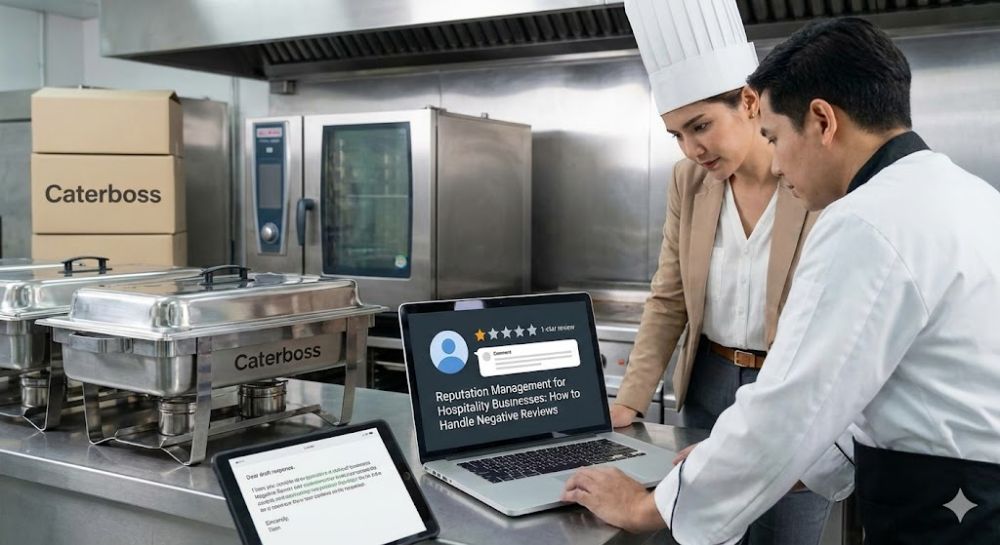
Restaurants can become busy very quickly, leaving staff rushed off their feet. This can result in longer waiting times, which may lead to negative reviews. In many cases, service delays are made worse by outdated or unsuitable kitchen equipment, which can slow down operations during busy periods. Investing in reliable catering equipment from suppliers like Caterboss can help improve service efficiency.
Food Quality or Consistency
A dish not being cooked as requested or inconsistencies in food quality can easily result in a bad review.
Cleanliness and Hygiene Concerns
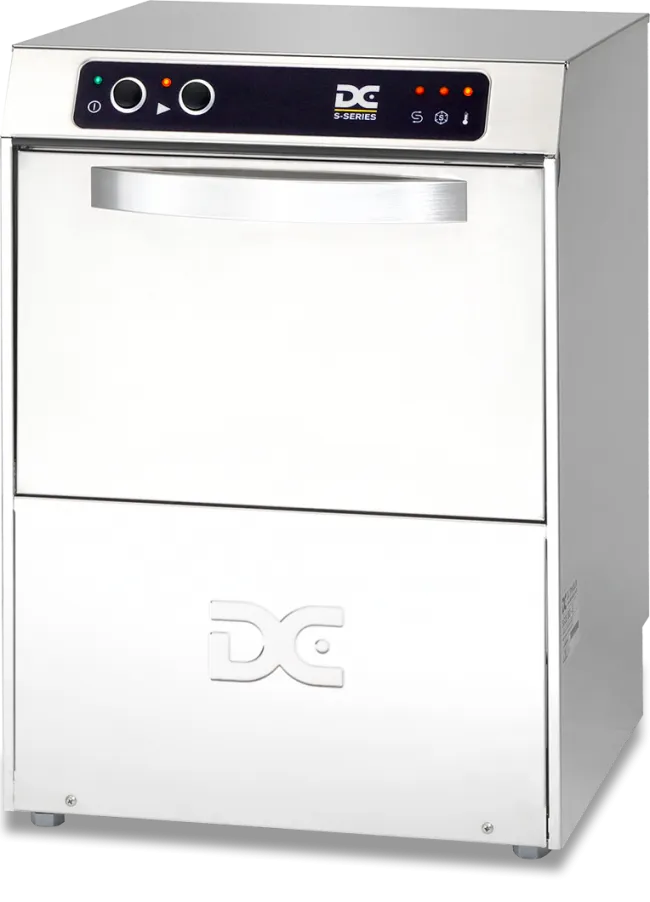
Issues such as unclean glassware, visible stains, or hygiene concerns are common causes of negative feedback.
Step-by-Step Guide: How to Respond to Negative Reviews Professionally
Responding to negative reviews correctly is essential for protecting your hospitality business’s reputation. A calm, professional response reassures unhappy customers and shows potential guests that feedback is taken seriously.
Step 1: Respond Quickly (But Not Emotionally)
Aim to respond within 24–48 hours. A prompt reply shows attentiveness, but it’s important not to respond while emotions are high.
Step 2: Acknowledge the Issue
Always acknowledge the customer’s experience. Even if you disagree with parts of the review, validating how the customer felt helps defuse tension.
Step 3: Apologise the Right Way
A professional apology shows empathy without placing blame. Phrases such as “We’re sorry to hear about your experience” demonstrate understanding while keeping the response constructive.
Step 4: Take the Conversation Offline
Offer to continue the conversation privately by providing an email address or phone number. This prevents public back-and-forth and shows a genuine willingness to resolve the issue.
Step 5: Show What You’ve Improved
When appropriate, explain the steps taken to prevent the issue from happening again. This builds trust with future customers reading the review.
Handled correctly, even negative feedback can become an opportunity to strengthen your brand.
Examples of Good vs Bad Review Responses
How you respond to a review is often more important than the review itself.
❌ Bad Response Example (What Not to Do)
Defensive, emotional, dismissive
“We don’t agree with this review. Our staff work very hard and no one else has complained. If you had an issue, you should have said it at the time.”
Why this hurts your reputation:
· Sounds argumentative and dismissive
· Blames the customer
· Discourages future guests from engaging
✅ Professional Response Example (Best Practice)
Calm, empathetic, solution-focused
“Thank you for your feedback. We’re sorry to hear that your experience didn’t meet expectations. This is not the standard we aim to provide, and we would appreciate the opportunity to discuss this further.”
Why this works:
· Acknowledges the customer’s experience
· Shows empathy
· Takes the conversation offline
· Builds trust with future readers
What Not to Do When Handling Negative Reviews
· Do not ignore reviews
· Do not argue publicly
· Do not copy and paste generic replies
· Do not delete legitimate criticism
Remaining professional and calm helps earn respect, even from dissatisfied reviewers.
Turning Negative Reviews into Business Improvements
Negative reviews are not just reputational challenges — they provide valuable insight. When examined objectively, customer feedback can highlight patterns and opportunities for improvement.
Hospitality businesses can use this feedback by:
· Reviewing complaints during team meetings
· Updating standard operating procedures (SOPs)
· Using real examples in staff training
By treating negative reviews as part of an improvement process, businesses can strengthen service standards and reduce future complaints.
Reputation Management Tools for Hospitality Businesses
Using the right reputation management tools makes it easier to monitor feedback, respond consistently, and protect your brand online.
· Google Business Profile – Manage reviews, respond publicly, and improve local SEO visibility.
· Review monitoring tools – Track reviews across Google, TripAdvisor, and Facebook.
· Customer feedback software – Collect feedback privately before it appears on public platforms.
When used together, these tools support a structured approach to reputation management.
Final Thoughts: Reputation Is a Competitive Advantage
Reputation management for hospitality businesses is no longer optional — it is a critical part of running a successful business. Dealing with negative reviews calmly and professionally protects your brand and builds trust with future customers.
With extensive experience supporting hospitality businesses, Caterboss understands the real-world impact of online reputation management on bookings and revenue. Proactive review responses show customers that their opinions are valued.
By following the advice in this blog, your business can turn a negative review into a positive one.
Happy rating!
Frequently Asked Questions
1. Should hospitality businesses respond to every negative review?
Yes, hospitality businesses should respond to every negative review. It shows professionalism and accountability. It also shows that the business values customer feedback by acknowledging their complaints. Even when the issue cannot be resolved publicly, a calm and respectful response reassures future customers that the business values service quality and customer experience.
2. Do negative reviews affect local SEO rankings for hospitality businesses?
Absolutely, negative reviews can impact local SEO. They can especially make a difference if they lower the business’s average rating or go unanswered. Google considers review quality, quantity, and recency when ranking local businesses. Responding to reviews and maintaining a steady flow of recent, positive feedback helps protect visibility in local search results.