













Christmas Staffing Tips for Busy Restaurants and Caterers: How to Stay Efficient During the Festive Rush
I think we can all agree that Christmas is the merriest time of the year. But for restaurants and caterers, it is also the busiest. In fact, the Christmas rush in hospitality is renowned. People flock to restaurants for festive dinners, festive drinks, and to drink in the ambience that can only be felt at that special time of year.
With crowds, however, come challenges for restaurants and caterers. With the increase in orders, kitchen staff can quickly become overwhelmed trying to produce large volumes of festive meals and drinks. This is where Christmas staffing tips for busy restaurants and caterers become a real issue.
On a normal Tuesday night, your restaurant might have a standard staffing level. But during December, footfall can double - meaning staffing needs to increase significantly. Add to this seasonal challenges such as sickness, scheduling issues, alcohol-related incidents, and budget constraints, and it’s easy to see why the festive period is stressful for hospitality managers.
To counter these challenges, foodservice businesses need to be prepared. Extra planning is essential to successfully manage the Christmas rush in hospitality.
In this blog, we outline how restaurants and caterers can avoid staffing issues at Christmas, handle the Christmas rush in hospitality and share practical advice on how to manage restaurant staffing during Christmas more effectively.
Start Planning Christmas Staffing Early for Restaurants
When it comes to managing restaurant staffing during Christmas, the sooner you plan, the smoother your season will be. Creating a holiday staffing calendar helps identify busy service days, Christmas events, and staff availability, reducing the risk of last-minute surprises.
Using data from previous years is particularly useful. If December 16th was busy last year, it is likely to be busy again this year. This simple step improves scheduling accuracy and reduces stress for both managers and staff.
Finally, communicate expectations early. Let your team know which dates require full staffing and give them the opportunity to flag availability issues in advance. Restaurants and caterers who plan early are far better positioned to handle the festive rush successfully.
How to Hire and Train Seasonal Staff for Christmas
If there was ever a time to hire seasonal staff, it is Christmas. Extra hands can make a huge difference during the festive period — but knowing where to find good seasonal staff is key.
Where to Find Seasonal Hospitality Staff
Job boards
Broad job sites such as LinkedIn and Indeed, as well as hospitality-specific job boards like TourismCareers.ie and SeasonWorkers.ie, are all useful tools. These platforms are widely used and attract candidates actively looking for work.
Hospitality recruitment agencies
Recruitment agencies can be extremely helpful when placing temporary staff. Many applicants are specifically seeking short-term roles that may or may not develop into permanent positions. In Ireland, agencies such as FRS Recruitment specialise in temporary and seasonal hospitality work.
Student workers
Contacting local colleges is another smart recruitment strategy. Students often look for ways to earn extra income during the holidays. Career departments can assist by advertising vacancies to suitable candidates.
Provide Fast, Effective Training for Seasonal Staff
Once seasonal staff are hired, effective training is essential. New team members should quickly become familiar with the menu, including both food and beverages, as well as service standards and safety procedures.
Training should be hands-on and designed to bring staff up to speed quickly while still being thorough. Shadowing and mentorship are particularly effective, as pairing new hires with experienced staff allows them to observe best practices in a real working environment.
Role-playing scenarios, checklists, and step-by-step service guides can also help. These may cover everything from greeting guests to clearing tables and handling payments. For safety procedures, demonstrations are often more effective than manuals alone. Safety training should be ongoing throughout the festive season, not treated as a once-off task.
Keep Staff Morale High During the Christmas Rush
Maintaining staff morale during the busy Christmas period is crucial. One of the most effective ways to keep teams motivated is to offer festive incentives such as performance bonuses, gift cards, or small rewards for extra effort.
Celebrating small wins throughout December can also make a big difference. Recognising strong teamwork or a particularly smooth service shift helps lift spirits during hectic periods. Staff meals, snacks, or warm drinks during breaks are another simple way to show appreciation and keep energy levels up.
A focus on morale not only improves productivity and staff retention but also enhances the overall customer experience.
Streamline Operations to Reduce Christmas Staffing Pressure
One effective way to ease Christmas staffing challenges is to streamline operations so teams can work smarter, not harder. Reviewing prep stations and overall workflow design can significantly improve efficiency during busy services.
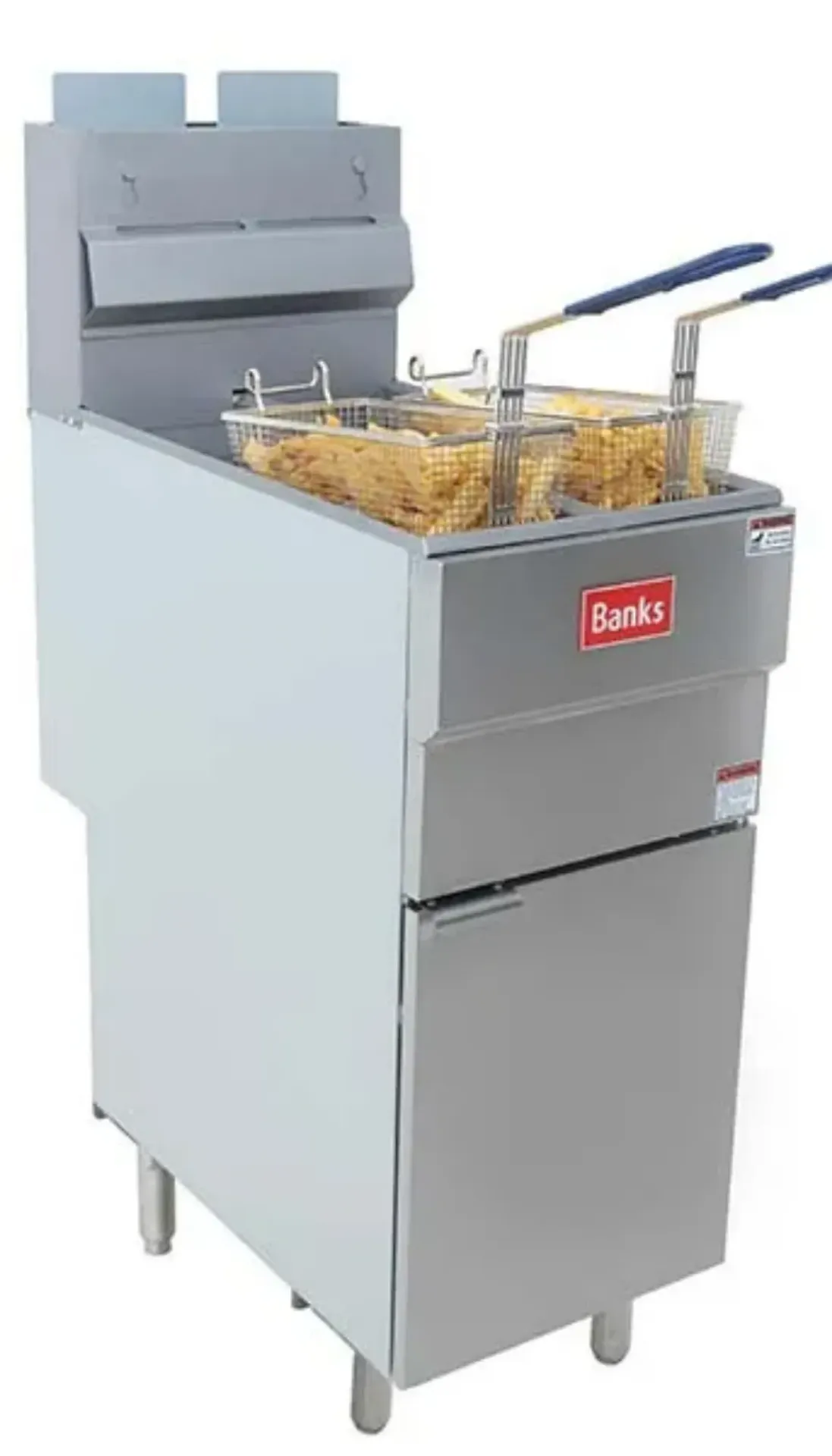
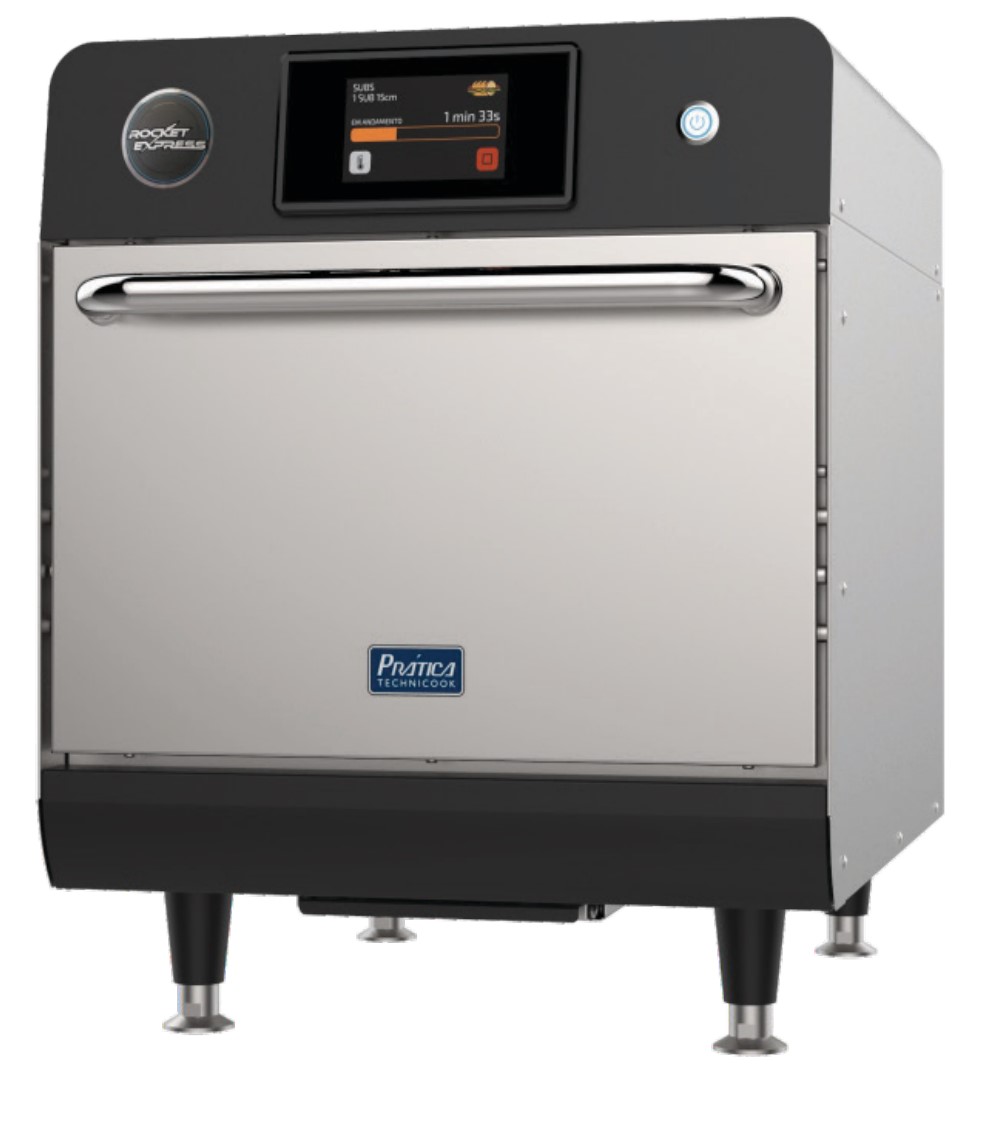
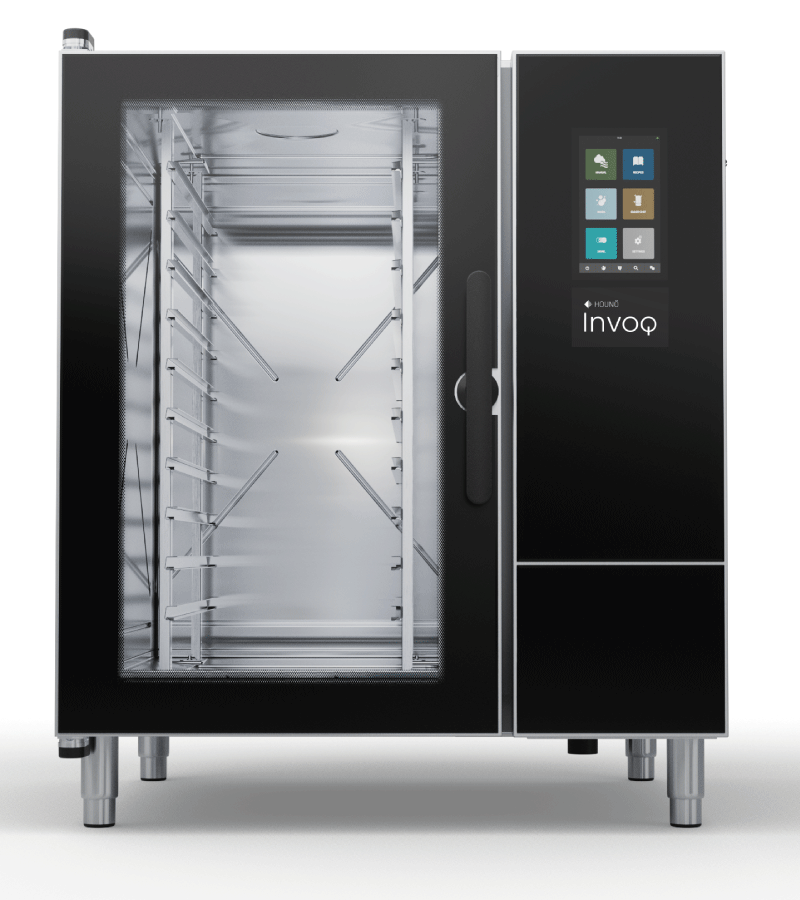
Even small changes, such as dedicated carving areas or clearly labelled storage zones, can reduce delays. Time-saving prep tools, faster-heating equipment, and mobile hot-holding units can also help keep food ready without tying up staff unnecessarily.
By improving workflow and equipment efficiency, restaurants and caterers can reduce pressure on staff while maintaining service standards throughout the festive season.
Prepare for Last-Minute Staffing Changes at Christmas
Having a backup staffing plan is essential at Christmas. Illness and unexpected absences are common, so it is important to be prepared.
Start by listing core staff such as managers, key chefs, and experienced servers. Then identify reliable part-time staff who may be able to take on additional shifts. Finally, maintain a wider network of flexible individuals - such as former employees or students - who can help at short notice.
Offering incentives such as holiday pay premiums, free meals, or festive bonuses can encourage staff to step in when needed. Asking for availability early also helps prevent last-minute staffing gaps.
Cross-Train Your Team for Festive Flexibility at Christmas
Cross-training is a valuable strategy during the festive season. Servers can assist with clearing tables, hosts can help run food, and team members can support one another during peak periods.
Identifying key pressure points, documenting simple processes, and role-playing “what-if” scenarios all help teams adapt quickly. Training staff on Christmas menus, upselling festive specials, and handling dietary requirements ensures a smoother service experience.
Clear, calm communication is essential. Using tools such as group messaging apps, scheduling software, or in-house briefing boards helps keep everyone informed. When communication flows smoothly, teams can react faster and support each other more effectively.
Final Thoughts
Christmas is undoubtedly the busiest time of year for restaurants and caterers, but it does not have to be chaotic. Christmas staffing tips for busy restaurants and caterers can help teams deliver great service throughout the festive rush.
And, by applying the advice outlined in this blog, businesses can reduce stress, avoid burnout, and create a more enjoyable festive season for both staff and customers.
Caterboss wishes you all a very happy holiday season!
Christmas Staffing FAQs
How early should restaurants hire Christmas staff?
Restaurants and caterers should ideally begin hiring Christmas staff in October or early November. Early recruitment allows enough time for training and reduces last-minute staffing pressure.
How can restaurants reduce staff burnout during the festive season?
Reducing burnout involves smart scheduling, regular breaks, clear communication, and small morale-boosting gestures such as staff meals or festive incentives.
What’s the best way to train seasonal staff quickly?
Hands-on, focused training works best. Pairing new hires with experienced staff, using checklists, and providing clear service guidance helps seasonal staff gain confidence quickly.