

Best Ways to Keep Catering Food Warm: A Comprehensive Guide
With years of experience in the catering industry, I have faced the challenge of keeping food warm many times. Whether you are planning a wedding reception, a corporate event or even a family gathering, maintaining the perfect temperature for your food is key. In this guide, I'll share the methods I've found most effective for keeping catering food warm, delicious and safe to eat.
How Do You Keep Catering Food Warm?
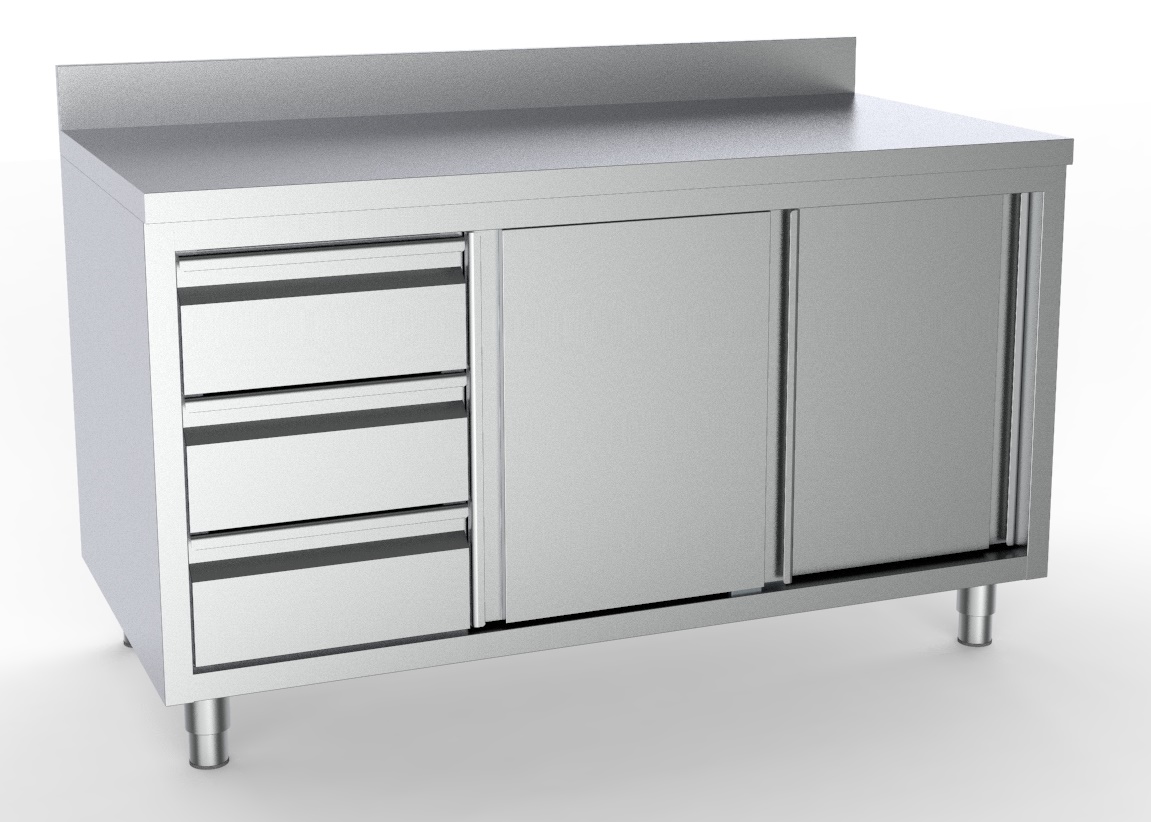
To keep catering food warm, use suitable hot-holding equipment such as chafing dishes, warming ovens, hot cupboards, slow cookers or insulated food carriers. Hot food should generally be maintained at 63°C or above and checked regularly with a food thermometer. The best method will depend on the type of food, how long it needs to stay warm and whether it is being transported or served on-site.
Table of Contents
-
Why Keeping Catering Food Warm Is Important
-
What Temperature Should Hot Catering Food Be Kept At?
-
Using an Oven to Keep Food Warm
-
Slow Cookers and Chafing Dishes
-
Rice Cookers and Steam-Based Cookers
-
Insulated Food Carriers and Bags
-
Using Plate Warmers
-
Using Foil to Keep Food Warm
-
Best Warming Methods for Different Types of Food
-
Catering Food Warming Checklist
-
Frequently Asked Questions
-
Final Thoughts
Why Keeping Catering Food Warm Is Important
It is absolutely critical to maintain proper food temperature during catering events. It means that the taste and texture are at their best for your guests but it is also a matter of food safety. I have seen first-hand how quickly a perfectly prepared meal can turn into something sub-par - or worse, a health hazard - if it is not kept at the proper temperature.
In my own experience, successful catering lies in understanding the different methods available for keeping the food at the proper temperature. From traditional chafing dishes to modern warming equipment, in this blog we will explore the different options that cater to different types of events and cuisines.
What Temperature Should Hot Catering Food Be Kept At?
For catering in Ireland, hot food should generally be kept at 63°C or above during hot holding and transport. According to guidance from the Food Safety Authority of Ireland (FSAI), maintaining the correct temperature is important for reducing food-safety risks.
Regularly checking food with a calibrated food thermometer can help ensure it remains at a safe temperature throughout service or transport.
Using an Oven to Keep Food Warm
Using the good old oven is often overlooked but actually one of the most reliable methods available in keeping food warm. You can use ovens to maintain the temperature of many dishes, but especially when you are dealing with large quantities.
Temperature Settings and Monitoring
So how should you use an oven effectively? Make sure you set it to the right temperature. You should typically aim for a warm setting between 65°C and 93°C. This range is effective for keeping food warm without overcooking it or drying it out. Anything higher can lead to food quality deterioration.
One trick I have learned is to use baking sheets and aluminium foil strategically. Place the food on baking sheets lined with foil - this helps distribute heat evenly and also makes cleaning up easier. Some dishes dry out quickly so in this case, I create a tent with the foil to trap moisture.
Specialised Techniques for Different Foods
I have a special technique when it comes to deep-fried items. I put them on a wire rack set over a baking sheet. The air circulates which keeps the food crispy whilst also staying warm. This is excellent for items like fried chicken or tempura vegetables.
For roasts and large cuts of meat, I follow a simple approach:
After allowing the meat to rest appropriately, transfer it to a suitable warming oven or hot-holding unit. Monitor the food temperature regularly until service to ensure it remains at 63°C or above.
This method helps retain the juices and ensures the meat stays tender.
Oven Safety Tips
Safety is of the utmost importance in catering. Using a reliable food thermometer is key. You should keep one handy to ensure that food stays above 63°C which (as already stated) is the minimum safe temperature for hot foods.
When I was involved in catering, I made a point of checking food temperatures often - at least every hour. This saved me from potential food safety issues many times. If I noticed the temperature dropping, I adjusted the settings of the oven.
And reheating? Don’t overdo it. Reheating food multiple times can lead to a loss of quality and potentially cause food safety risks. Try to reheat food just once and in small batches as needed.
Remember that hot-holding equipment is designed to keep food at a safe temperature, not necessarily to reheat it. Food should be properly cooked or reheated before being transferred to warming equipment.
Slow Cookers and Chafing Dishes: The Catering Staples
In my catering toolkit, slow cookers and chafing dishes are vital. They are versatile and perfect for keeping a wide range of dishes at the perfect serving temperature.
Slow Cookers: The Set-and-Forget Solution
Slow cookers are incredible for hot vegetables, sauces, stews and soups. They are especially effective for dishes that benefit from long, slow cooking. For example, a beef stew or a creamy potato soup that improves in flavour when kept in a slow cooker.
It is important, however, to note that not all foods are suitable to be in slow cookers for long periods. Delicate vegetables and certain proteins can change texture and taste if they are kept warm for too long. This can be solved by using the “warm” setting instead of “low” or “high” for food that is already fully cooked.
Chafing Dishes: The Buffet Essentials
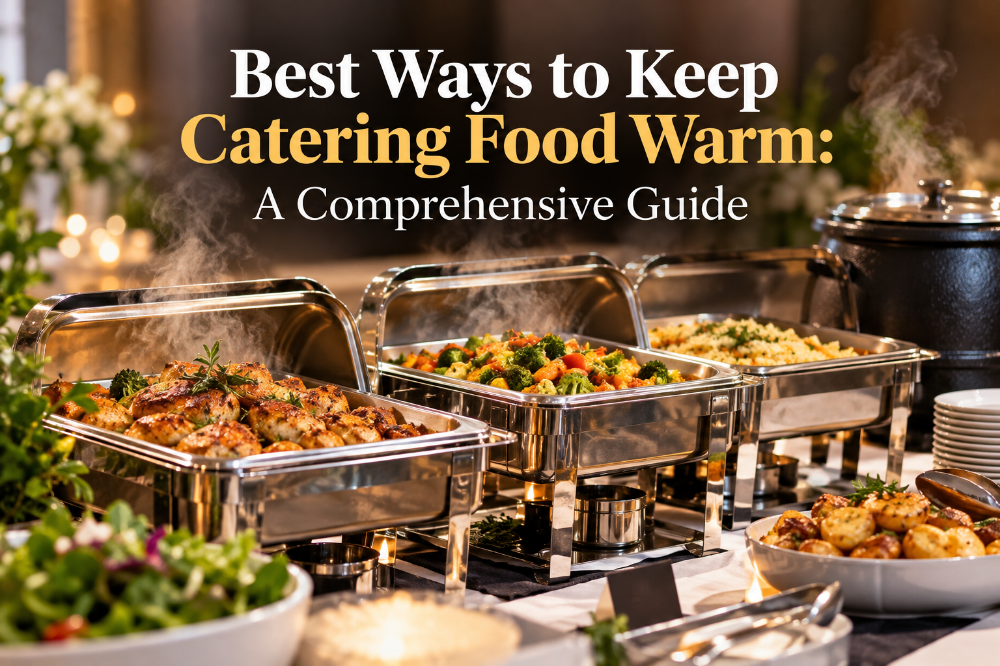
Chafing dishes are the holy grail of buffet-style catering. They keep a variety of foods warm - everything from casseroles to roasted meats.
A tip is to preheat the water in chafing dishes before adding the food. The food doesn’t cool down when it's first placed in the dish. This makes a big difference in maintaining consistent food temperature.
Case Study: Successful Large-Scale Event
I once catered a corporate event for 500 people where we used a combination of slow cookers and chafing dishes to keep the food warm. We set up multiple stations, each with its own theme:
1. Comfort Food Station: Slow cookers with mac and cheese, chilli, and mashed potatoes
2. Carving Station: Chafing dishes for roast beef and turkey, kept moist with their own juices
3. Asian Fusion Station: Chafing dishes for stir-fries and rice, with a slow cooker for a fragrant curry
By strategically placing these warming devices and regularly monitoring food temperatures, we were able to maintain food quality and safety throughout the 4-hour event. The client was thrilled with the consistency and quality of the food, even towards the end of the night.
Rice Cookers and Steam-Based Cookers: Moisture Retention Masters
When it comes to keeping rice and other moisture-sensitive foods warm, I have seen rice cookers and steam-based cookers being particularly effective when preparing Asian-inspired catering menus or holding events where rice is a main dish.
Rice Cookers: Not Just for Cooking
Rice cookers are made to keep rice hot and moist for a long time after cooking. However, it's important to ensure the rice remains at a safe hot-holding temperature and to follow the manufacturer's instructions. Fluffing the rice every now and then and adding a small amount of hot water if it starts to dry out is key.
Here's a technique for keeping rice perfect in a rice cooker:
-
Cook the rice according to the manufacturer's instructions.
-
Once cooked, use the rice cooker's approved keep-warm function.
-
Keep the lid closed as recommended to help retain heat and moisture.
-
Check the rice temperature regularly to ensure it remains at the required hot-holding temperature.
-
Serve the rice as soon as practical to maintain the best texture and quality.
Steam-Based Cookers: Versatile and Efficient
Steam-based cookers are just as effective. They maintain the warmth and moisture content of vegetables, dumplings and more. They are perfect for dishes like steamed broccoli where texture is crucial.
Here’s a tip: releasing a bit of steam periodically can prevent overcooking. This works brilliantly for delicate items such as fish or certain vegetables that could become mushy if oversteamed.
My Comparison of Warming Methods for Vegetables
To illustrate the effectiveness of steam-based cookers, I conducted my own experiment comparing different warming methods for vegetables:
1. Steam-based cooker
2. Chafing dish
3. Oven (low temperature)
I prepared three batches of mixed vegetables (broccoli, carrots, and green beans) and kept them warm for 2 hours using each method. The results were clear:
-
Steam-based cooker: Vegetables remained crisp-tender with vibrant colours.
-
Chafing dish: Vegetables were slightly softer but still maintained good flavour.
-
Oven: Vegetables were the driest and lost some colour vibrancy.
This experiment’s results showed that for moisture-sensitive foods like vegetables, steam-based cookers are often the best choice for maintaining quality over extended periods.
Insulated Food Carriers and Bags
Insulated food carriers and bags are not just for keeping things cooler but are just as effective at maintaining warmth.
Coolers: Not Just for Cold Food
Coolers can be used to transport hot food to event venues. There is insulation in them that keeps the food cold but also keeps warm things warm. A simple principle - but very effective.
If you are using coolers for warm food, make sure to use proper containers. When I was catering, I used heat-safe containers and wrapped them in aluminium foil for that extra layer of insulation. This helped reduce heat loss during transport and setup.
Insulated Bags: Portable and Efficient
Another good option is insulated bags. These are particularly effective for small quantities or individual dishes. They are lightweight, easy to carry and useful for helping food retain heat during transport.
How long food stays hot during transport will depend on the type of insulated carrier, the initial food temperature and the conditions during the journey. Always use suitable food transport equipment and check temperatures rather than assuming food will remain hot for a set number of hours.
Here's my method for using insulated bags effectively:
1. Preheat the insulated carrier according to the manufacturer's instructions before adding hot food.
2. Line the bag with towels to absorb any condensation.
3. Place hot food containers inside, filling any empty spaces with more towels to prevent shifting.
4. Close the bag tightly and transport it upright to prevent spills.
Temperature Monitoring is Key
A critical tip I would follow was to check the temperature of the food often, even when it is in a cooler or insulated bag. Using a digital thermometer is effective at ensuring the food stays above 63°C.
Real-World Application: Outdoor Wedding Catering
I was once involved with catering an outdoor wedding where the kitchen was far away from the serving area. In order to maintain food quality, we used a combination of coolers and insulated bags:
We used commercial-grade insulated food carriers for the main dishes and insulated bags for smaller side dishes and appetisers.
This system was very effective and along with regularly checking food temperatures, we served hot food of a high quality throughout the 3-hour reception, despite the challenging outdoor settings.
Using Plate Warmers
Warming plates can be one of the most effective ways of serving hot food. It’s simple in theory, but makes a world of difference in maintaining food temperature from the kitchen to the guest.
Preparing Warming Plates
You should also make sure to use oven-safe plates for this purpose. Ceramic and types of glass can work very well. About 15 minutes before serving, you might warm the plates in the oven at a low heat; usually around 93°C.
Sometimes for larger events, you could use a commercial plate warmer. These are ideal for keeping dozens of plates warm at once.
Safety Considerations
Safety is also important when you are dealing with hot plates. Staff should wear heat-resistant gloves when handling the hot plates. They should also warn guests that the plates are hot to prevent accidents.
Enhancing the Dining Experience
Using warming plates maintains the food temperature and enhances the dining experience.
Here's why:
1. Food stays hot longer, allowing guests to enjoy their meal at a leisurely pace.
2. It prevents sauces from congealing too quickly, maintaining the dish's intended texture.
3. The contrast between a hot plate and cold elements (like salads) can create an interesting sensory experience.
Case Study: Fine Dining Event
I once catered a high-end corporate dinner and we used warming plates to elevate the dinner. The food served included a fish dish that needed to be served at a specific temperature. In order to achieve this, we did the following:
1. We warmed the plates to 63°C using a commercial plate warmer.
2. The fish was cooked à la minute and plated immediately on the warm plates.
3. Servers were trained to carry the plates carefully and inform guests about the hot plate.
The result? Rave reviews from the guests. The fish remained warm throughout the course and the guests complimented its delicate flavours. This small detail really contributed to the dinner’s success.
Using Foil to Keep Food Warm
Aluminium foil is a very versatile and indispensable item. Yes, it seems basic, but it can be effective for short-term warming and moisture retention.
Tenting Technique for Meats
Tenting meat with foil after it's been cooked is a great technique. The meat rests whilst retaining heat and moisture. For example, for a medium-rare roast beef, you can typically tent it for 10-15 minutes before slicing. It keeps it warm and also allows the juices to redistribute which results in a tasty and tender dish.
Here's a step-by-step process for tenting meat:
1. Remove the meat from the heat source.
2. Create a loose tent with aluminium foil, ensuring it doesn't touch the meat's surface.
3. Let it rest for 5-15 minutes, depending on the size of the cut.
4. Remove the foil and slice just before serving.
Wrapping Individual Portions
Foil can also be effective at wrapping individual portions of food. If you are catering events where food needs to be served quickly, pre-wrap the items - such as potatoes or corn on the cob - in foil. They will retain the heat and this makes them easy to serve.
Limitations of Foil
It is important to note that while foil is great for short-term warming, it is not so good as a long-term solution. A helpful tip is to make sure to transfer foil-wrapped items to proper warming equipment if they need to be warm for extended periods.
My Test: Foil vs. Other Warming Methods
To illustrate the effectiveness of foil, I conducted a small experiment comparing different methods of keeping a baked potato warm:
1. Wrapped in foil
2. Placed in a warming drawer
3. Left uncovered
After 30 minutes:
-
The foil-wrapped potato retained most of its heat and moisture.
-
The potato in the warming drawer was hot but slightly drier.
-
The uncovered potato was lukewarm and noticeably drier.
The result from my test showed that for short-term warming, especially for items like potatoes, foil can be incredibly effective.
Best Warming Methods for Different Types of Food
|
Roasts and meats |
Warming oven or chafing dish |
|
Soups and sauces |
Slow cooker or hot-holding equipment |
|
Fried foods |
Wire rack in a low oven |
|
Rice |
Rice cooker |
|
Vegetables |
Steam-based equipment |
|
Buffet dishes |
Chafing dishes |
|
Food in transport |
Insulated food carriers |
|
Plated meals |
Warm plates or plate warmer |
Catering Food Warming Checklist
-
Check that hot food is at the correct temperature before service.
-
Use appropriate hot-holding equipment.
-
Preheat warming equipment before adding food.
-
Use a calibrated food thermometer to monitor temperatures.
-
Record food temperatures where required.
-
Keep food covered where appropriate to help retain heat and moisture.
-
Choose the warming method according to the type of food.
-
Use suitable insulated equipment when transporting hot food.
-
Avoid holding delicate foods for longer than necessary.
-
Train staff on correct food temperature control procedures.
FAQs: Your Burning Questions Answered
How long can food be kept warm safely?
How long food can be hot-held safely depends on maintaining the required temperature and following appropriate food-safety procedures. From a quality perspective, some dishes hold better than others. In my experience, soups and stews tend to maintain their quality longer, while delicate foods such as fish and vegetables can begin to deteriorate much sooner.
How do you keep catering food warm during transport?
Use insulated food carriers or food boxes designed to retain heat during transport. Make sure the food is at the correct temperature before it leaves the kitchen, minimise the amount of time containers are opened and check temperatures with a calibrated food thermometer when necessary. For catering in Ireland, hot food should generally be maintained at 63°C or above.
What is the best way to keep buffet food warm?
Chafing dishes, hot cupboards and other commercial hot-holding equipment are effective ways to keep buffet food warm. The best option will depend on the type of food being served. Whatever method you choose, preheat the equipment where appropriate and regularly monitor the food temperature to ensure it remains safe and maintains its quality.
How do you keep catering food warm without drying it out?
Preventing food from drying out is a common challenge in catering, but there are several strategies to combat this:
-
Use lids or covers: Whether it's a chafing dish or a slow cooker, keeping food covered helps trap moisture and prevent it from drying out.
-
Use foil: Loosely tent meats and other dishes with aluminium foil to retain heat and moisture, particularly during short-term warming.
-
Choose the right warming method: Rice cookers and steam-based cookers work particularly well for moisture-sensitive foods such as rice and vegetables.
-
Avoid excessive heat: Keep warming temperatures low and consistent. Too much heat can quickly dry food out and affect its texture and flavour.
-
Check food regularly: Monitor both the temperature and condition of the food, and avoid keeping delicate dishes warm for longer than necessary.
Final Thoughts
Keeping catering food warm isn’t just about turning up the heat. You want every dish to reach your guests tasting fresh, looking good and, most importantly, staying safe to eat.
From my experience in catering, there’s no one-size-fits-all solution. Ovens and chafing dishes are great for some foods, while slow cookers, rice cookers and steam-based equipment work better for others. Sometimes, even something as simple as foil, an insulated bag or a warm plate can make all the difference.
Whichever method you choose, keep an eye on the temperature and check your food regularly. A little preparation and the right equipment go a long way towards keeping everything warm, tasty and ready to enjoy—whether you’re feeding a small gathering or a room full of hungry guests.