










How to Reduce Food Waste in A Commercial Kitchen (Without Cutting Quality)
Reducing food waste in a commercial kitchen is one of the most effective ways to cut costs and improve sustainability. A commercial kitchen is a busy place, between preparing, cooking and cleaning up. On buzzing nights, everything needs to be done promptly and accurately and run smoother than a sail boat.
Problems can and do arise, however, and often need to be handled with care. One of the major problems that can happen in kitchens is the amount of food waste. In fact, In Ireland, the hospitality business generated approximately 175000 tonnes of food waste in 2023. This includes food waste from hotels, B&Bs, pubs and restaurants, cafes, takeaways and canteens.
This amount of food waste is costing a tremendous amount for the hospitality industry. So you really need to know how to reduce food waste - especially in a commercial kitchen. The total cost for the sector runs at about 300 million euro and for individual businesses, it may be costing anywhere from 24000 a year to 150000 a year (for larger businesses such as hotels).
Then there is the sustainability problem; food waste can severely affect sustainability through methane gases. Food waste itself produces 8-10 per cent of global greenhouse gas emissions.
It is therefore essential to reduce this amount of waste not only for economic reasons but also for environmental. Dedicated to saving the planet? Start small. Start with your commercial kitchen.
The reality of reducing food waste in a commercial kitchen means you shouldn’t have to compromise. If you use the right approach, - from smarter storage and prep techniques to using efficient, purpose built equipment – you can reduce waste while also maintaining the quality of your output. This is where Caterboss steps in. This catering equipment supplier can make a real difference, helping kitchens operate more efficiently without sacrificing standards.
This guide will show you practical, no-compromise strategies to reduce food waste in your commercial kitchen, along with smart solutions that help streamline operations and support a more sustainable, cost-effective way of working.
Quick Brief of Ways to Reduce Food Waste in a Commercial Kitchen
-
Track and audit food waste
-
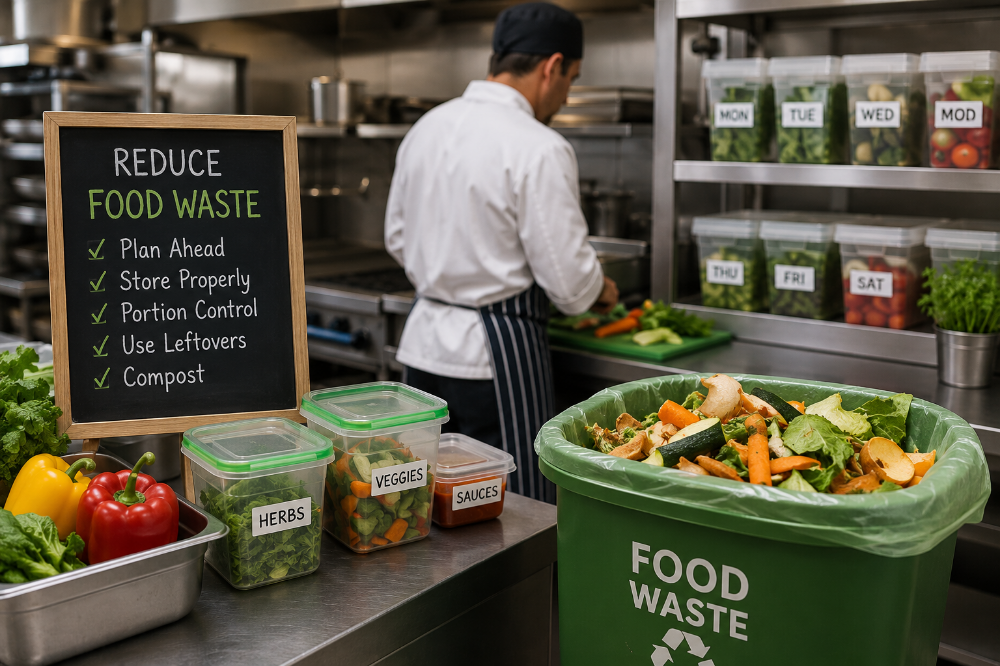
Improve storage and labelling systems
-
Use FIFO (First In, First Out)
-
Control portion sizes
-
Plan menus more efficiently
-
Train staff on waste reduction
-
Use technology and smart equipment
-
Repurpose ingredients creatively
Why Reducing Food Waste Matters for Your Kitchen
Reducing food waste in a commercial kitchen means a great deal for cost savings. It lowers food procurement, waste disposal and energy costs.
It has a direct impact on your kitchen’s bottom line and performance. Every single ingredient that gets thrown out is actually eating into your profits, so waste reduction is one of the quickest ways to improve margins without increasing your prices.
At the same time, expectations around sustainability are growing, and regulations across the hospitality sector are becoming stricter. Businesses are now expected to be much more accountable for how they manage waste.
But it’s not just about cost or compliance. Cutting down on waste also makes your kitchen run more smoothly. Better prep, smarter storage, and improved stock control all help things flow more efficiently day to day.
And just as importantly, it can strengthen your reputation. More and more customers care about sustainability and are choosing businesses that show they’re making an effort. So reducing food waste isn’t just about saving money — it can actually give you a real competitive edge.
Audit Your Current Food Waste
For commercial kitchens, the best way to tackle food waste is to audit your current food waste. Here are two ways to do this:
1. Track what’s being wasted
2. Identify High risk ingredients:
Track What’s Being Wasted
The easiest way to track what’s being wasted is to use waste logs. Waste logs are essential, actionable tools for tracking food disposal, identifying waste patterns, and reducing costs. They track the item, content, reason for waste (spoilage, overproduction etc,) and even the staff that were involved. Proper logging means daily reporting, analyzing data and setting reduction targets. The date/time, item description, quantity, reason and cost are some of the most common components of a waste log. To implement a waste log you must log immediately, do mandatory training, set targets and analyze trends. The benefits of waste logs are numerous and include: cost savings, increased awareness, menu optimization and compliance. All in all, an extremely effective system for your waste business.
Identify High-Risk Ingredients
Identifying high risk ingredients is crucial when trying to reduce waste in commercial settings. A whopping 60 per cent of restaurant wastage is considered avoidable. In other words, not taking the necessary steps to reduce it, is eating into your profits.
For example: short shelf life perishables. This is notoriously the most common source of spoilage. The most common culprits are fresh produce, dairy products, fresh seafood, raw meat and poultry and freshly baked goods.
Then there are the overpurchased stock. Things you think you need but you end up throwing a lot out. These include bulk dried goods, or even canned goods – that are known for their long shelf life but can be forgotten about at the back of the cupboard.
Mitigation techniques for this mean:
- Implement first in first out (use older stock first)
- Track waste log
- Monitor temperature
- Conduct audits
Smart Storage Solutions to Extend Shelf Life
The smart storage solutions to extending shelf life are:
1. Using the right refrigeration Equipment
2. Vaccuum Sealing and Food Preservation
3. Proper Labelling and FIFO System
Use the Right Refrigeration Equipment
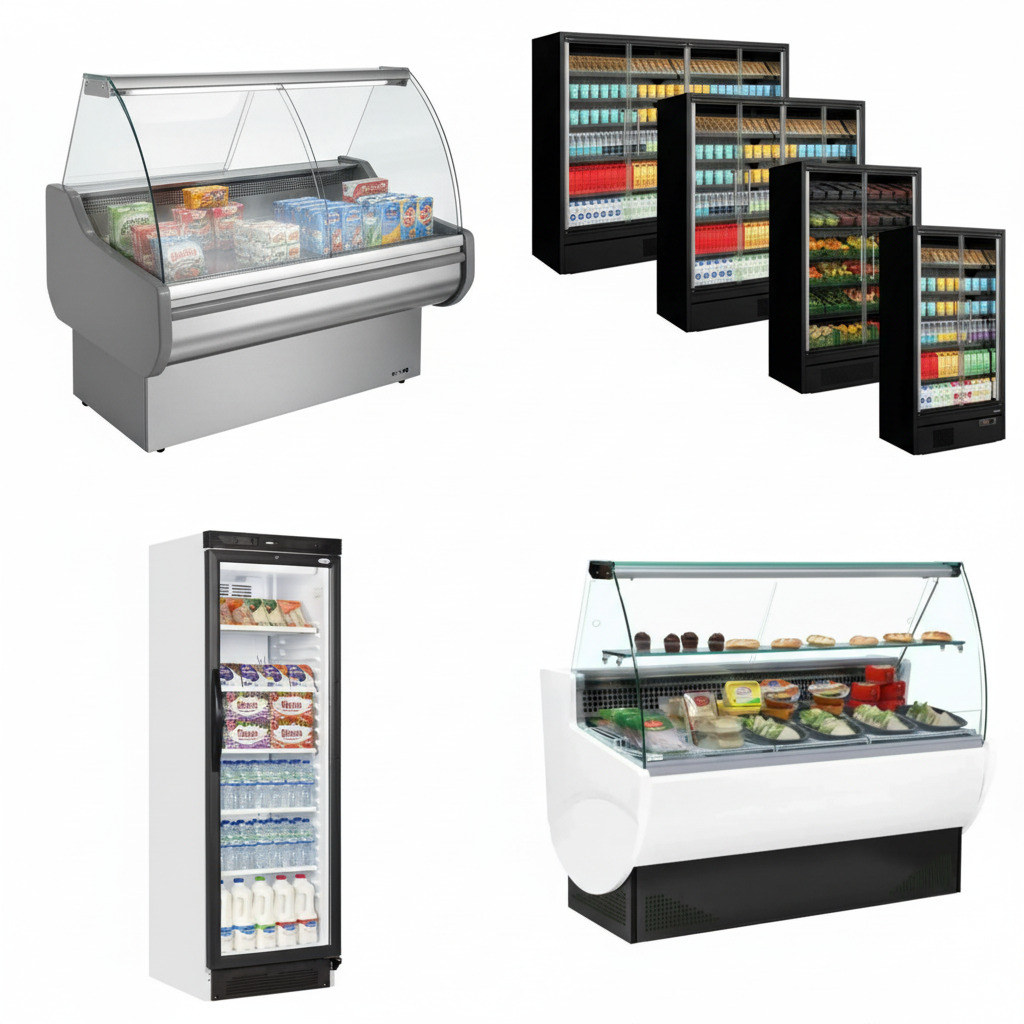
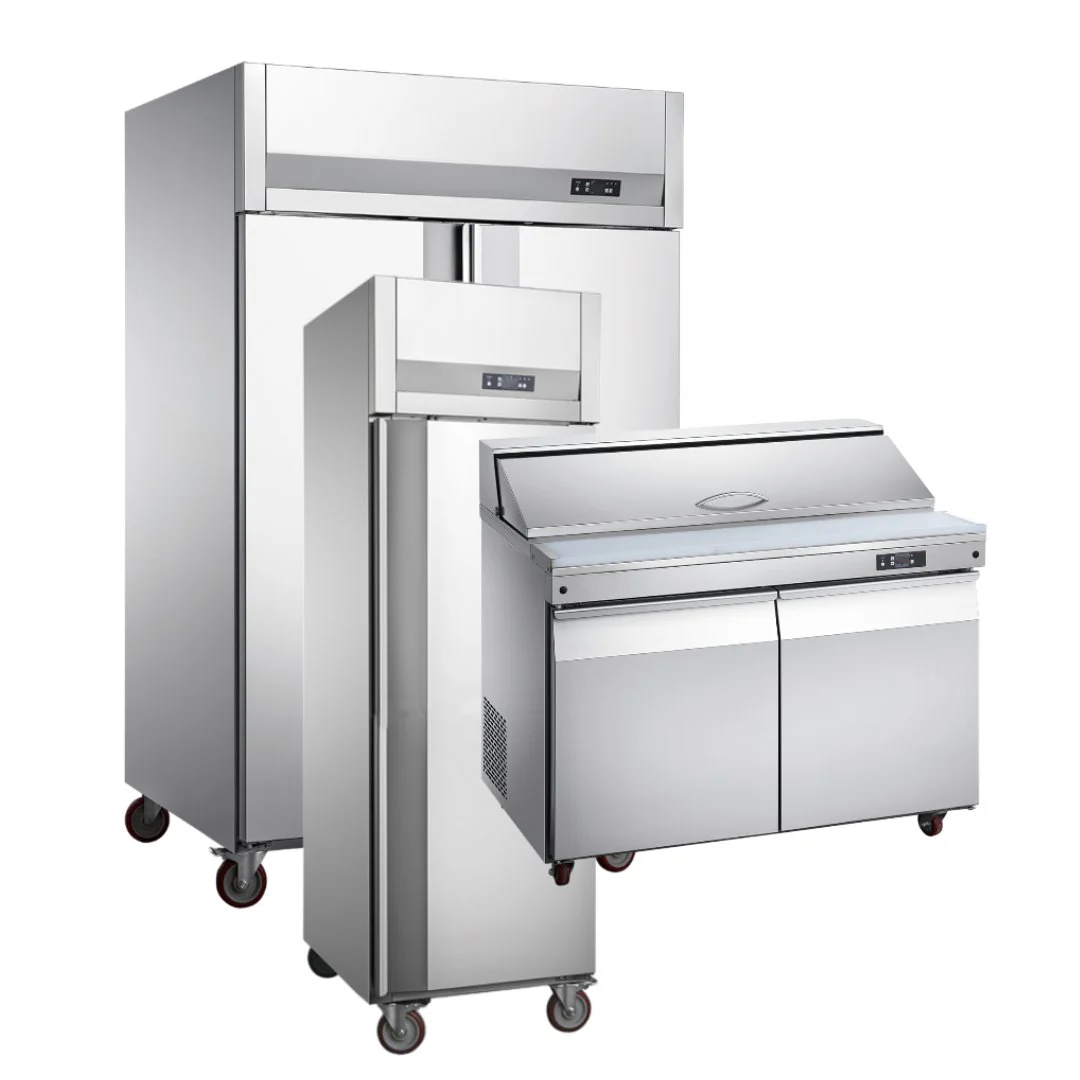
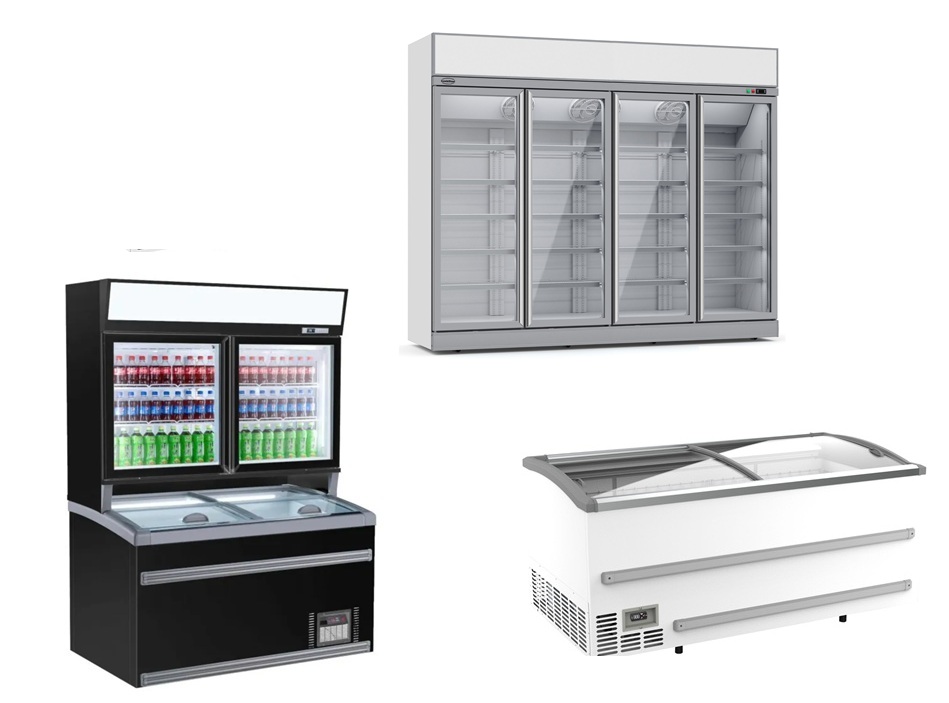
Using the right equipment reduces waste by maintaining precise, consistent temperatures that extend product shelf life. Key equipment includes reach-ins for quick access, walk-ins for bulk storage, and blast chillers for rapid cooling. Caterboss can help you there. They supply all of the most efficient and cost effective refrigeration equipment on the market.
And can work with you to arrange a payment plan.
Vacuum Sealing & Food Preservation
Vacuum sealing extends food shelf life by 3–5 times by removing oxygen, which inhibits mold and bacteria growth. It prevents freezer burn and can preserve flavour, texture and nutrients. It means that your food always remains fresh. It also is useful for cost savings as it allows for bulk purchases and reduces food waste.
Proper Labelling & FIFO System
This is essential for commercial kitchens by ensuring that older stock is used before newer stock (IE First In, First Out). Implementing this system can significantly reduce wastage. When new deliveries arrive, newer stock is put to the back whilst older stock is brought to the front. It prevents spoilage and food being forgotten about at the back. Proper labelling techniques are also important as they allow staff to identify what to use first. Labels should include the common name of the food, the date of receipt or production, and the use-by date. All in all, with menu planning and staff training, they can reduce spoilage significantly.
How to Improve Portion Control Without Increasing Waste
Getting portion control right can feel like a balancing act — you want to avoid waste, but never at the expense of customer satisfaction. The key is consistency. Using standardised recipes ensures every dish is prepared the same way every time, helping you manage ingredients more accurately and avoid unnecessary excess.
Simple tools like portion scoops, scales, and measuring equipment can make a big difference here. They take the guesswork out of prep and help your team serve the right amount without overdoing it.
It’s also worth remembering that bigger portions don’t always mean happier customers. Well-presented, properly balanced dishes often deliver a better experience than oversized servings that lead to plate waste. By focusing on consistency and quality, you can reduce waste while still meeting - and possibly even exceeding - customer expectations.
Menu Planning That Minimises Waste
Menu planning is great for minimizing waste. You can:
1. Design Flexible Menus
2. Use seasonal and Local Sourcing
3. Offer Variable Portion Sizes
Design Flexible Menus
Designing flexible menus that cross-utilize ingredients is a highly effective strategy for reducing commercial food waste while increasing profitability and sustainability. By engineering a menu where core components pull "double duty," restaurants can significantly reduce spoilage and lower food costs. For example: using chicken breasts for salads, thighs for entrees and the remaining pieces for soups or sandwiches!
You can create a smaller menu, which makes it easier to forecast demand. Train kitchen staff to use ALL parts of a vegetable (root etc.) Use ingredients that are soon to be outdated as daily specials.
Seasonal & Local Sourcing
Seasonal and local sourcing of produce offers significant benefits for both quality and sustainability, particularly in the reduction of commercial food waste. If restaurants purchase ingredients that are close by, they can obtain ingredients that are fresher and longer lasting whilst also reducing sustainable impact.
There are benefits to this.
Peak Ripeness: meaning locally sourced food that is harvested at its peak, avoids the artificial ripening and also avoids long transport times.
Reduced transit time: Because they are arrive sooner than travelling the thousands of miles some ingredients do, they are fresher which means they have a longer shelf life. There are lower spoilage rates and because they are close by, there is less likely to be subject to transportation delays reducing risk of food being stranded and spoiled.
Improved Inventory Management: Local suppliers often allow for smaller, more frequent deliveries, enabling kitchens to order only what they need, reducing the risk of over-ordering and waste.
Offer Variable Portion Sizes
Offering different portion sizes is a great way to reduce the plate waste (the leftover food on a customer’s plate) For instance, some restaurants order half-dinners – a smaller plate of dinner that customers with smaller appetites might go for. Plate waste is a major contributor to commercial kitchen waste.
You can use different plate sizes to make the serving appear adequate rather than sparse. Modify menu pricing: offer smaller portions at reduced prices or make the price the same but add extras such as drinks or desserts.
Train staff to upsell or down sell. Train staff to offer smaller portions particularly if the customer is not very hungry.
This action shows many positive results. Reduced plate waste of course is foremost. Less food is left over which means less food is thrown in the rubbish. Improved environmental impact because of less waste and finally, less waste disposal costs – less waste in rubbish bins which means lower disposal charges.
Train Your Staff On How To Reduce Food Waste In A Commercial Kitchen
Your team plays a huge role in how much food gets wasted in your kitchen. Even the best systems won’t work if staff aren’t aware of them or don’t follow them consistently. That’s why building awareness and a sense of accountability is key — when everyone understands the impact of waste, they’re far more likely to take it seriously.
It also comes down to how food is handled day to day. Simple improvements in prep techniques, like trimming ingredients correctly or using the full product, can significantly cut down on unnecessary waste.
And don’t overlook storage. Making sure staff follow best practices — like proper labelling, correct temperatures, and using the FIFO (First In, First Out) method — helps keep ingredients fresher for longer and reduces the chances of food being thrown away.
With the right training and habits in place, small changes across your team can lead to big reductions in waste.
Use Technology & Equipment to Reduce Waste
Implementing technology and equipment to reduce waste can be very effective. There are several ways:
1. Smart inventory systems
2. Portioning equipment
3. Food prep tools.
Smart inventory systems:
They provide real-time, data driven insights that prevent over ordering, tracking expiration dates and ensuring stock rotation. Nowadays there is little that AI can’t do and few businesses that don’t have it. Smart inventory systems are no different. AI can actually analyse historical sales data, weather, and local events to forecast necessary ingredient quantities, reducing overproduction. It minimizes spoilage, reduces carbon footprint and even reduces labour.
Portioning equipment:
Equipment such as smart scales and imaging, automatically categorize and weigh waste. This identifies which menu items are over portioned. Smart dispensing systems mean just the right amount of sauces and condiments are used. Vacuum sealers and packaging means that pre portioned items have their freshness extended. This prevents premature spoilage.
Using digital dashboards can identify which stations generate the most waste. Standardizing with visual guides – can complement technology with photographic guides for plating to ensure staff understand the required portion size. Apply the most accurate, smart equipment to the most expensive items, as these yield the highest cost savings when waste is reduced
Food Prep Tools:
Using smart prep and cooking technology like the following will significantly reduce wastage.
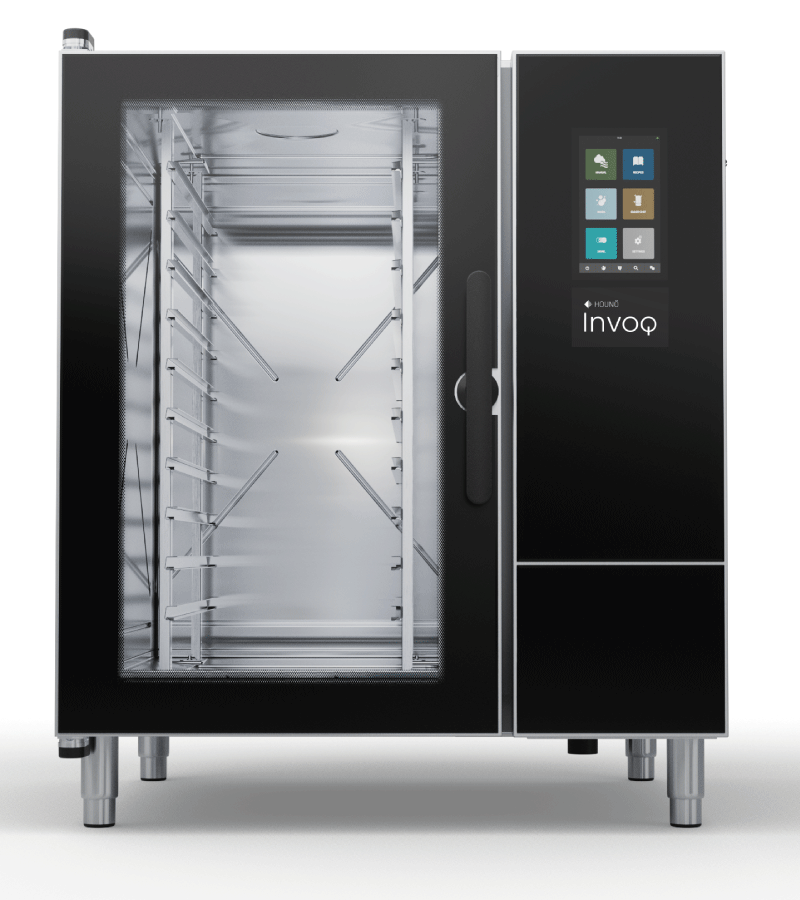
Combi Ovens: These utilize precision controls to reduce product shrinkage, ensuring consistent cooking and allowing operators to cook only what is necessary, minimizing batch waste.
High-Speed Blenders & Food Processors: Used to repurpose vegetable trimmings, stale bread, or overripe fruit into stocks, soups, sauces, or croutons.
Waste tracking and inventory technology such as AI smart bins: these use AI, cameras, and scales located near waste bins to track what is thrown away, identifying the cause of waste (e.g., overproduction, spoilage) in real-time.
Creative Ways to Reuse Ingredients
Some creative ways to reuse ingredients with:
-
Stocks, soups, sauces
-
Daily specials
-
Safe reuse vs compliance
Stocks, soups, sauces:
Reusing ingredients key to waste management. Stocks, soups and sauces are highly versatile meaning they can be used in a mirage of different ways. For example: you can use soup as a base for risotto, cook grains in leftover soup to enhance flavour and perhaps use it for savory pancakes (yum!).
Leftover sauces can be used as pasta sauces, or as a base for enchilada sauces or even spread sauces on naan bread or use as a pizza base.
Daily Specials:
Vegetable scraps can be turned into thick, flavourful soup. Leftover bread can be turned into croutons for salads. Overripe fruit can be turned into desserts!
Daily Special ideas could be: Soup of the Day or Root to stem stirfry – both of which could use vegetable trimmings.
Repurposing ingredients results in more cost savings than you would think! Some studies estimate it could be up to 40 per cent reduction in food waste just by doing so.
Safe reuse vs compliance:
Effectively managing waste in commercial kitchens involves balancing creative reuse with strict compliance to food safety regulations.
For the food safety hierarchy, prevention of waste is first, followed by safe reuse of food and then recycling. Safety first; temperature for leftover food must be kept at 5 degrees or below. Food should only be reheated once and it is crucial to follow regulations on food.
Composting & Recycling Food Waste
What Can Be Composted
Not all food waste has to go straight to the bin. Many everyday kitchen scraps - like fruit and vegetable peelings, coffee grounds, eggshells, and certain food leftovers - can be composted instead. By separating compostable waste from general rubbish, you can significantly reduce the volume of waste your kitchen sends to landfill while turning it into something useful.
Partnering with Waste Services
If on-site composting isn’t practical, working with a reliable waste management provider is a great alternative. Many services now offer dedicated food waste collection and recycling, making it easier for commercial kitchens to stay compliant with regulations and manage waste more responsibly without adding extra workload to your team.
Sustainability Messaging
Reducing and recycling food waste isn’t just good for operations — it’s also something worth sharing with your customers. Highlighting your efforts through menus, social media, or in-store messaging shows that your business takes sustainability seriously. It can strengthen your brand image and appeal to the growing number of eco-conscious customers who value responsible practices.
Common Mistakes That Lead to Food Waste
The common mistakes that lead to food waste tend to fall into the following three categories:
1. Over-ordering
2. Lack of staff training
3. Poor storage.
Over-ordering:
Ordering too many ingredients is often born over a fear that they will run out of stock. This can come from ordering due to a “gut feeling”, or lack of inventory tracking as well as a failure to analyze sales data. More causes can be: not adjusting orders due to seasonality (lower demand in holiday seasons etc.) Overestimating the amount of people that would show up on a given night and poor inventory management (not implementing FIFO) or a failure to track waste. To solve this, implementing a digital inventory system can be helpful as well as standardizing prep and portions.
Poor storage
There are several poor storage mistakes that lead to excess waste. Inaccurate temperature management. This could come in the form of, fridge temperatures being too high, overloading refrigerators, or freezer burn. Failure to use stock rotation or poor organization and contamination risks. Incorrect product placement (such as dairy products in the fridge which shortens their shelf life) and inadequate storage containers also play their part in common mistakes that lead to food waste.
Ways to reduce the waste are to label and date all items, implement a 20 per cent rule (ie keep refrigerators only 80 per cent full to ensure proper airflow) and to use proper airtight food safe containers.
Lack of staff training
Without proper education and training, staff fail to recognize that food waste is a large cost to the business and not just an inevitable part of operations. Common mistakes due to lack of training can be: poor portion control and plating, improper inventory and stock rotation, wasteful preparation techniques, poor storage habits and ineffective communication and handling. Ways to address these gaps are: staff training, conduct waste audits, hold regular meetings and use visual guides.
Quick Wins to Start Reducing Food Waste In A Commercial Kitchen Today
If you are looking for ways to reduce waste as soon as possible, there are simple changes you make today!
1. Start tracking what you throw away to spot patterns
2. Label and date all ingredients clearly to avoid confusion
3. Use the FIFO (First In, First Out) method consistently
4. Check fridge and storage temperatures on a regular basis
5. Prep smaller batches more often instead of over-preparing
6. Review portion sizes and avoid over-serving
7. Train staff on basic waste reduction habits
Final thoughts on how to reduce food waste in a commercial kitchen
Ultimately there are a number of simple ways that your commercial kitchen can cut waste. From plate portioning to staff training, none of steps in this article require large financial input to achieve less wastage. But undertaking these steps will not only change your business in terms of profit but will also have environmental benefits in a polluted world - whilst also continuing to deliver the high standards your customers expect. The key is to start small and build consistent habits over time. Together these quick wins can make noticeable difference in reducing waste, saving money and improving overall kitchen efficiency.
If you’re ready to take the next step, having the right equipment can make all the difference. From smarter storage solutions to efficient prep tools, Caterboss offers a range of products designed to help you reduce waste and run a more efficient kitchen. Explore the Caterboss range today and discover practical ways to work smarter, not harder.