












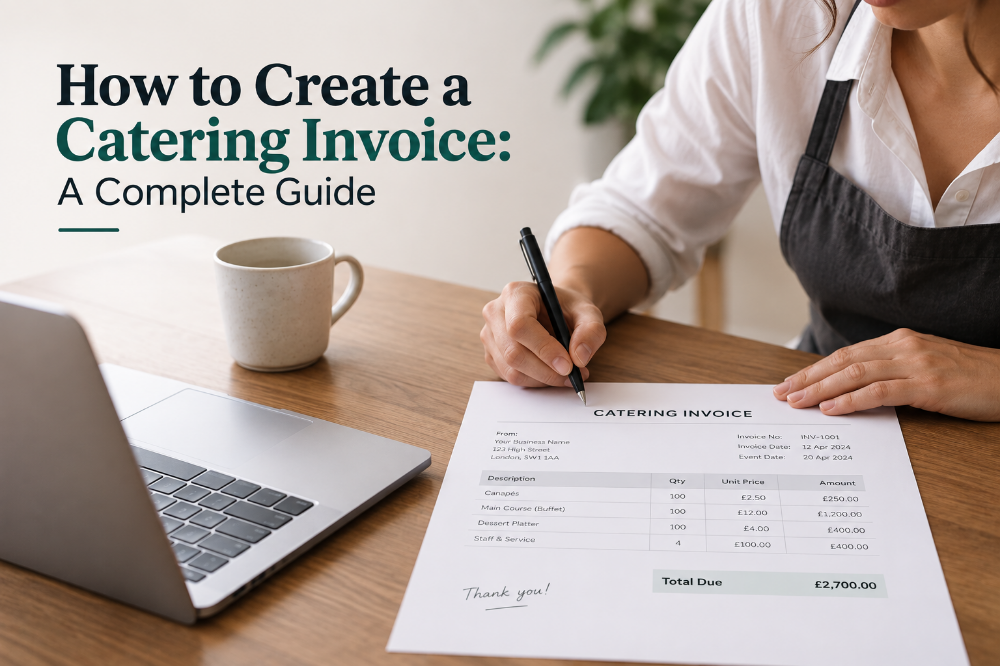
How to Create a Catering Invoice: A Complete Guide
As the founder of Caterboss, I have learned that creating a professional invoice is crucial. At the start of my journey, I realized quickly that a well-crafted invoice is not just a bill but actually a reflection of your professionalism and attention to detail. In this blog, I will take you through the process of creating the perfect catering invoice that will keep your business running immaculately and impress your clients at the same time. If you're still building your client base, you might also find our guide on how to get catering contracts useful.
Table of Contents
-
Why Professional Catering Invoices Matter
-
How to Choose Catering Invoicing Software
-
What Should a Catering Invoice Include?
-
Best Practices for Creating and Sending Invoices
-
Handling Last-Minute Changes and Additional Charges
-
How Professional Invoicing Can Help Your Business
-
Frequently Asked Questions
How Do You Create a Catering Invoice?
A professional catering invoice should include your business and client details, a unique invoice number, the invoice and event dates, a clear description of the catering services provided, an itemised cost breakdown, taxes and additional charges, the total amount due, and your payment terms. Keeping the invoice clear, accurate and easy to understand can help prevent disputes and encourage faster payment.
Understanding the Importance of a Well-Crafted Invoice
Throughout my experience in the catering industry, I have seen firsthand what a difference a professional invoice can make. It is not just about getting paid; but also about creating that lasting impression on your clients. An invoice that is clear and detailed will show your clients that you are organized and professional - which, in turn can lead to repeat business and referrals.
The Impact of Poor Invoicing: A Cautionary Tale
Before starting Caterboss, I worked in restaurants where I witnessed the negative impact of poor invoicing practices. One particular incident stands out:
We had a catering job for a large corporate event, and the invoice we sent was a disaster:
-
Items were unclear
-
Prices were jumbled
-
The total was incorrect
What was the result? A frustrated client and a long time back and forth to sort out the payment. I learned the value of a well-structured invoice from this experience and it in turn became the catalyst for developing a robust invoicing system at Caterboss.
The Benefits of Professional Invoicing
Since implementing professional invoicing practices at Caterboss, we've seen significant improvements:
1. Faster payments: Our average payment time has decreased.
2. Fewer disputes: Clear, detailed invoices have reduced billing disputes.
3. Increased client satisfaction: We've received positive feedback from clients about our professional invoicing process.
4. Better cash flow management: Accurate invoicing has improved our ability to forecast and manage our cash flow.
These improvements? Not unique to Caterboss. In fact, a study by Xero, found that businesses that use online invoicing get paid up to twice as fast as those using traditional methods.
How to Choose Catering Invoicing Software
When I started Caterboss, I knew we needed a robust system. So we embarked on a journey to find the right invoicing method. This involved several stages:
1. Spreadsheets: We started with simple spreadsheets, which worked for small-scale operations but quickly became cumbersome as we grew.
2. Generic invoicing software: We then moved to a basic invoicing software, which was an improvement but lacked industry-specific features.
3. Specialized catering software: Finally, we invested in specialized catering software that integrated invoicing with our inventory and order management systems.
This final decision was an absolute game-changer. It streamlined our invoicing process, helped us track our inventory more efficiently and analyzed our business performance.
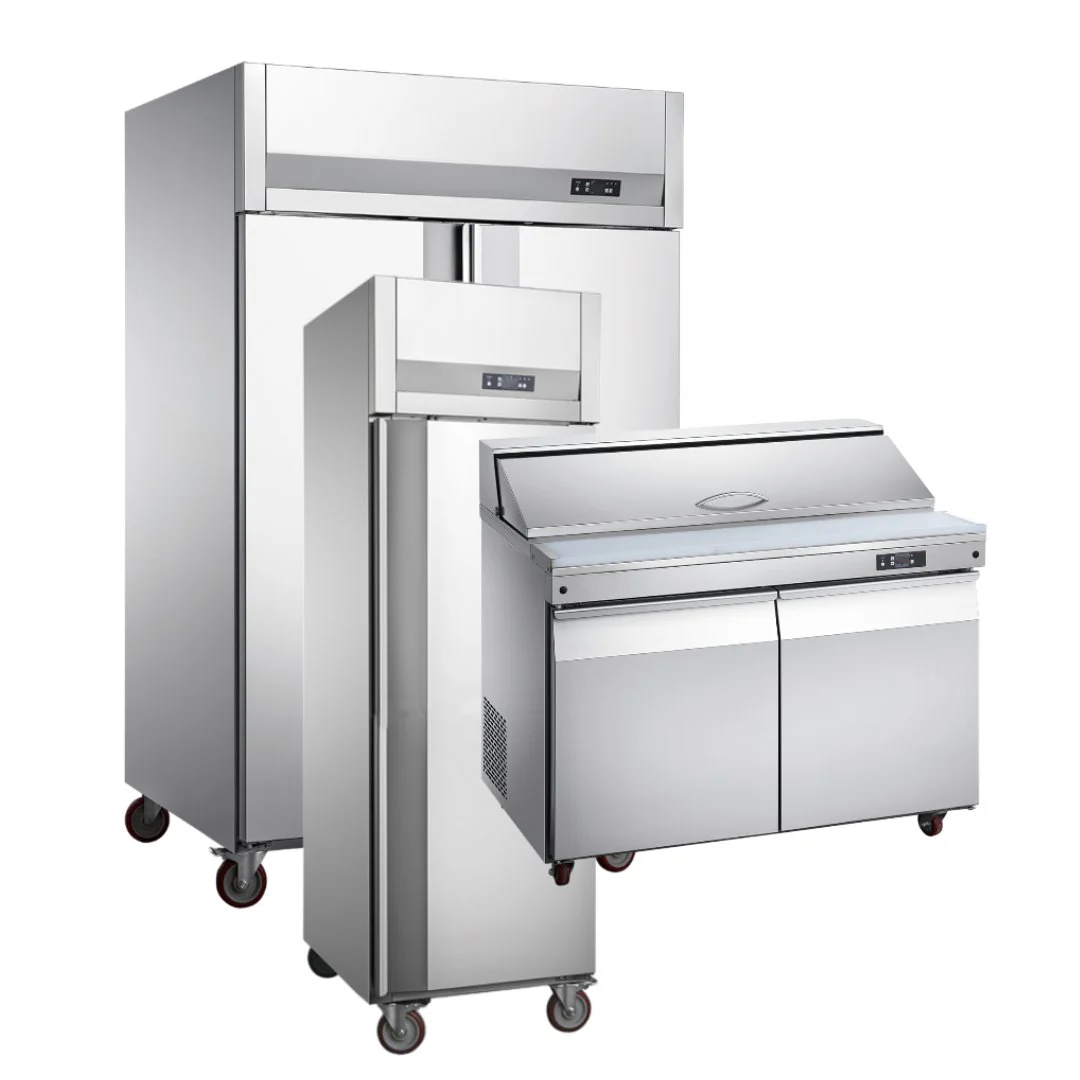
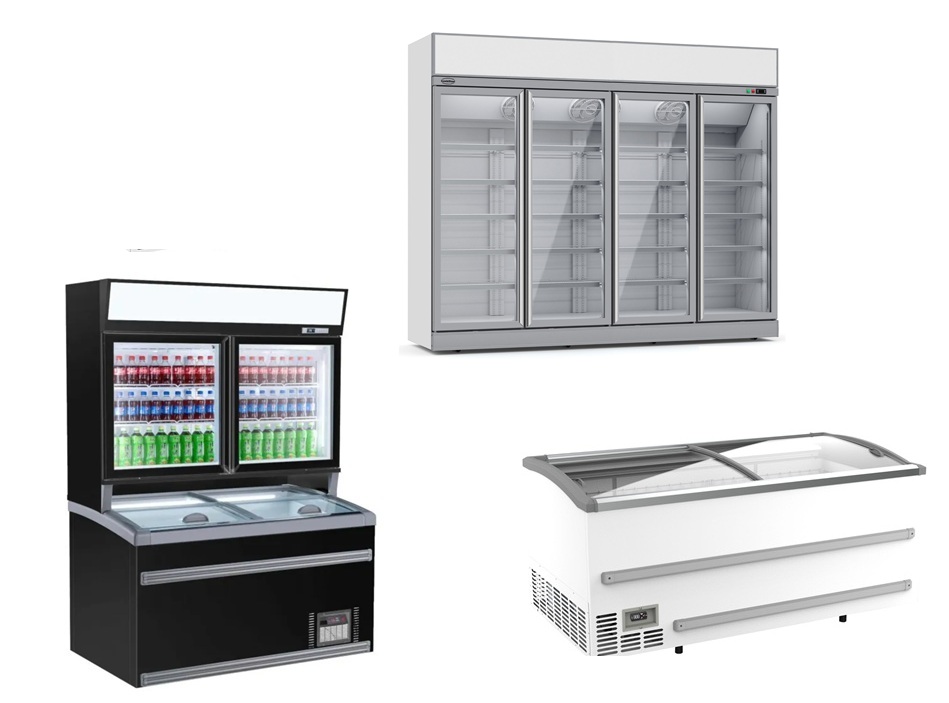
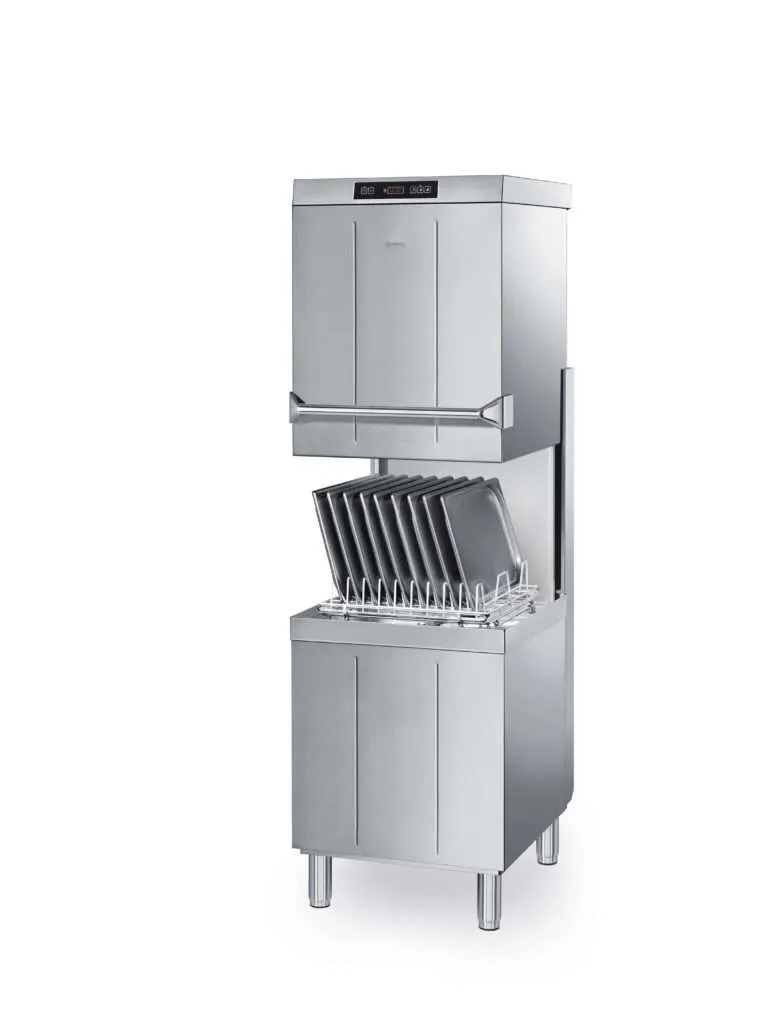
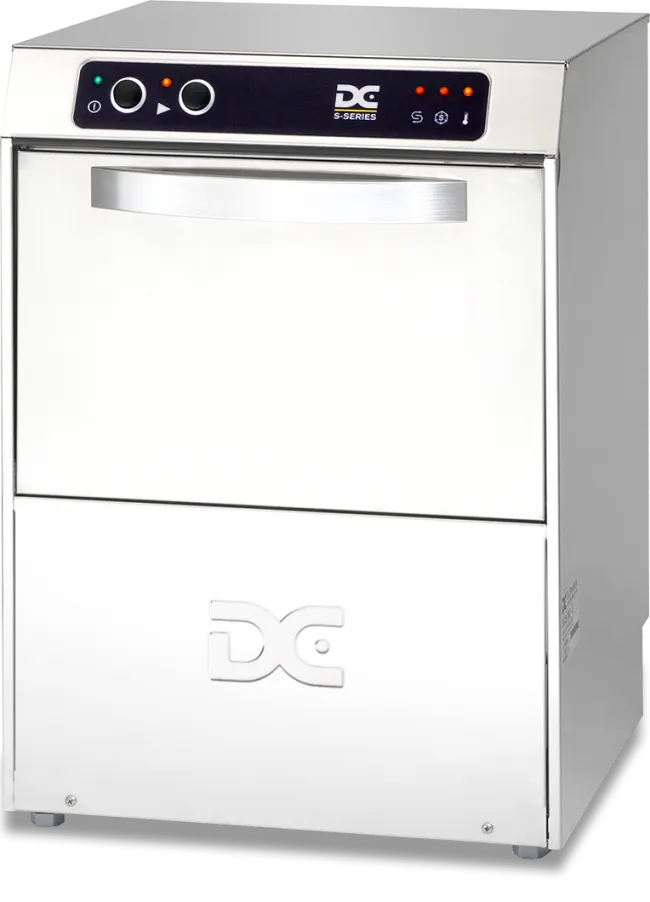
As your catering business grows, having the right systems, processes and commercial catering equipment in place can make day-to-day operations considerably easier.
Case Study: The Impact of Specialized Software
Businesses using specialized online accounting and invoicing software have seen substantial reductions in payment times. At Caterboss, we experienced this firsthand:
-
Before specialized software: Average payment time was 45 days
-
After specialized software: Average payment time reduced to 27 days
This also significantly improved our cash flow.
What Should a Catering Invoice Include?
Based on my experience, here are the key elements that should be included in every catering invoice:
1. Business Information
Your invoice should clearly display:
-
Business name
-
Logo
-
Contact information
At Caterboss, we ensure our logo is prominently displayed at the top of every invoice, and our full business name: Orenda Enterprise Ltd T/A Caterboss is at the bottom. We also include our address, phone number, and email.
2. Customer Information
Always include:
-
Client's name
-
Contact person
-
Address
This makes sure that the invoice reaches the right person and helps with record-keeping. Including a specific contact person is particularly important for corporate clients.
3. Dates
Two crucial dates should be on every invoice:
1. The invoice date
2. The event date
Including the event date helps both you and the client keep track of which service the invoice relates to, especially if you've catered multiple events for the same client.
4. Invoice Number
Assign a unique invoice number to each bill. This makes it easy to track invoices and reference them in future communications.
5. Service Description
Provide a detailed description of the services provided. This should include:
-
Type of event
-
Number of guests
-
Menu items
-
Any additional services (e.g., staff, equipment rental)
Try to be specific. For example, instead of just writing Catering for wedding, you could write Catering for Smith-Jones Wedding, 150 guests, including appetizers, main course, dessert, and bar service.
This level of detail is particularly important when providing ongoing contract catering services, where a business may receive multiple invoices covering different services or periods.
6. Cost Breakdown
Itemize all costs clearly. This includes:
-
Cost per item
-
Quantity
-
Total price for each item
For instance:
-
Appetizers: €10 per person x 150 guests = €1,500
-
Main Course: €25 per person x 150 guests = €3,750
-
Dessert: €8 per person x 150 guests = €1,200
-
Bar Service: €1,000 flat fee
7. Total Costs
After itemizing individual costs, include:
-
Subtotal
-
Any applicable taxes
-
Additional fees (e.g., delivery charges, equipment rental)
-
Total amount due
Be sure to clearly state the total amount due in bold or a larger font to avoid any confusion.
8. VAT and Catering Invoices in Ireland
If your catering business is VAT registered in Ireland, your invoices should clearly show the VAT being charged. This helps keep your records accurate and makes the invoice easier for both you and your client to understand.
A VAT invoice will generally need to include your:
-
Business name and address
-
VAT registration number
-
Unique invoice number
-
Invoice date
-
Customer details
-
Description of the goods or services provided
-
VAT rate applied
-
Amount of VAT charged
-
Total amount due
It is worth remembering that different VAT rates can apply to different parts of a catering service. Food, drinks and other services may not always receive the same VAT treatment, so make sure you apply the correct rate to each item on your invoice.
Deposits are also common in catering, particularly for larger events, and VAT rules may apply when you receive an advance payment.
If you're ever unsure about which VAT rate applies, check the latest guidance from Revenue Ireland or speak to your accountant or tax adviser. VAT rules can change, so it's always best to double-check rather than assume.
9. Payment Terms
Clearly state your payment terms, including:
-
Due date
-
Accepted payment methods
-
Any late payment fees
10. Additional Information
Include any relevant policies or additional notes, such as:
-
Cancellation policy
-
Refund policy
-
Clean-up fees
-
Any discounts applied
Catering Invoice Checklist
-
Business name and contact details
-
Customer details
-
Unique invoice number
-
Invoice date
-
Event date
-
Description of catering services
-
Number of guests
-
Itemised costs
-
Additional charges
-
Applicable VAT/taxes
-
Total amount due
-
Payment due date
-
Payment methods
-
Cancellation/refund terms
Best Practices for Creating and Sending Invoices
Over the years, I've developed some best practices that have served us well at Caterboss:
1. Use professional invoicing software: This can reduce errors and save time. According to American Express's 2023 Amex Trendex: B2B Edition survey, 44% of Australian businesses that had automated payments reported saving an average of 7.3 hours per week of their finance team's time. .
2. Be prompt: Send invoices as soon as possible after the event. Invoices sent quicker, tend to be paid sooner than those sent later.
3. Be consistent: Use the same format for all invoices. This professionalism can lead to faster payments.
4. Proofread: Always double-check your invoices before sending them. Sending invoices with errors can lead to payment delays and potential customer dissatisfaction.
5. Follow up: Have a system in place for following up on unpaid invoices. A robust follow-up process is important.
How to Invoice for Last-Minute Catering Changes
In the hospitality industry, specifically the catering side, last minute changes are common. Clients can increase their guest count the day before an event or request additional items on the day of. In order to handle these occurrences professionally:
1. Have a clear policy for last-minute changes and communicate it to clients in advance.
2. Document all changes in writing, even if they're made verbally.
3. Create a separate invoice or addendum for additional charges.
4. Clearly label these charges as Additional Services on the invoice.
Case Study: Managing Last-Minute Changes
At a corporate event catered by a catering company we worked with, the client requested additional appetizers for 50 guests just hours before the event. Here's how they handled it:
1. They quickly communicated the additional cost to the client and got written approval.
2. Their kitchen team efficiently prepared the extra food.
3. They created a separate Additional Services invoice detailing the last-minute order.
4. The client appreciated their flexibility and clear communication, leading to a positive review and future bookings.
The Impact of Professional Invoicing on Business Success
There are many benefits to professional invoicing beyond just getting paid. It has impacted Caterboss in particular, the following ways:
1. Improved cash flow: With faster payments, we've been able to reinvest in our business more quickly.
2. Enhanced reputation: Our professional invoices have become a talking point among clients. We've received comments like, Your invoices are so clear and detailed. It makes working with you a pleasure.
3. Reduced administrative time: Our specialized software has cut the time spent on invoicing by 60%.
4. Better financial planning: With more accurate and timely invoicing, we've been able to forecast our finances more effectively. This has helped us make informed decisions about expanding our services and hiring new staff.
5. Increased repeat business: We've seen a significant increase in repeat bookings since implementing our new invoicing system. Clients often mention our professional approach as a reason for choosing us again.
Continuing to develop your skills can be just as important as improving your business systems. Our guide to learning catering online explores some of the training options available to aspiring and established caterers.
FAQs
What should be included in a catering invoice?
An excellent catering invoice will include your business information, customer details, invoice number, event date, itemized list of services provided, cost breakdown, total amount due, payment terms and any additional relevant information - such as cancellation policies or clean-up fees.
How do I choose the right invoicing software for my catering business?
When selecting invoicing software, consider factors such as:
-
Ease of use
-
Integration with other business systems (like inventory management)
-
Customization options
-
Cost
-
Mobile accessibility
-
Reporting features
At Caterboss, we use software that allows us to create professional invoices quickly while also providing valuable insights into our business performance.
What are the benefits of using invoicing software over traditional methods?
Invoicing software offers numerous advantages:
1. Reduced errors: Automated calculations minimize human error.
2. Time-saving: They also really speed up the invoicing process. There is a significant reduction in time spent compared to the manual process.
3. Professional appearance: Software-generated invoices look polished and consistent. This has definitely contributed to repeat business and positive client feedback.
4. Better record-keeping: Invoices are easier to store, search and analyze. This can be crucial for financial planning and tax preparation.
5. Integration with other systems: Software options can integrate with accounting and inventory management systems providing a more comprehensive view of your business.
6. Improved cash flow: With features like automatic reminders, you can see a significant reduction in late payments.
How can I ensure my invoices are paid on time?
Here are some strategies that you might find effective:
1. Clear payment terms: Clearly state your payment terms on every invoice.
2. Multiple payment options: Offer various payment methods to make it easy for clients to pay. This can speed up the payment process..
3. Early payment discounts: Consider offering a small discount for early payment.
4. Automated reminders: Use software that sends automatic reminders for upcoming and overdue payments.
5. Deposits: For large events, require a deposit upfront. This could improve your cash flow and reduce the risk of non-payment.
How do I handle disputed invoices?
Disputed invoices can be challenging, but here's some ways to manage them:
1. Listen carefully: Understand the client's concerns fully before responding.
2. Review thoroughly: Check all documentation related to the event and invoice.
3. Respond promptly: Address the issue as quickly as possible to maintain good client relations.
4. Be willing to compromise: If there's an error on your part, correct it immediately. If it's a misunderstanding, work with the client to find a mutually acceptable solution.
5. Learn from it: Use disputes as an opportunity to improve your processes and communication.
By following this approach, we, at Caterboss have been able to resolve almost all of invoice disputes amicably, often leading to stronger client relationships.
When should I send a catering invoice?
Ideally, a catering invoice should be sent as soon as possible after the event or according to the payment schedule agreed with the client. For larger events, caterers may also request a deposit in advance, with the remaining balance invoiced before or after the event. Clearly agreeing these terms beforehand can help avoid confusion and payment delays
Conclusion: The Power of Professional Invoicing
One of the most important skills for any catering business owner is to create a professional catering invoice. It is not just about getting paid - it’s about presenting your business in the best possible light. Your goal, after all, is setting the stage for long-term success.
For us, at Caterboss, a robust invoicing system has been absolutely transformative. We have seen faster payments, improved client relationships and altogether better business performance. Really, it has paid off many times over.
As you implement these strategies, keep track of your results. Measure changes in everything from payment, client satisfaction to overall cash flow. Then you can use this data to refine your approach and adapt to your clients’ needs.
The world of catering is competitive and attention to detail can set you apart. A professional invoice may seem like a small thing, but in actuality, it can have a big impact on your catering business’s success. So, invest the time, choose the right tools and make creating a professional, quality invoice a priority just as you make so many other aspects of your catering business.