














Back to all

Hospitality earnings rose 7.7%—but that is not a wage forecast

Hospitality earnings rose 7.7%—but that is not a wage forecast

The latest CSO earnings release gives hospitality employers a sector average worth examining, but it should not become a wage rule or ready-made payroll budget.

The sector average moved sharply

Average weekly earnings in Accommodation & Food Service Activities increased from €470.59 in Q2 2025 to €506.78 in Q2 2026, a rise of 7.7%. [Central Statistics Office]

This is an unadjusted sector average for employees covered by the release. It mixes roles, employers and working patterns; it is neither a published rate for a particular job nor evidence that each employee received the same increase. The Q2 2026 estimate is also preliminary, which matters when using it in a board paper or lender pack.

Against Q2 2023, the sector's average weekly earnings were 17.2% higher in Q2 2026. [Central Statistics Office]

The three-year comparison shows that the latest annual change is part of a longer movement, not a one-quarter curiosity. It does not explain how any individual operator's change splits between hourly rates, paid hours and staff mix; that requires the operator's own rota and payroll data.

Weekly earnings and labour cost answer different questions

Average hourly total labour costs in Accommodation & Food Service Activities were €20.27 in Q2 2026, the lowest sector figure in the CSO release. [Central Statistics Office]

Total labour cost per paid hour and average weekly earnings are related, but they are not interchangeable. One should not be used as a shortcut for the other, and a low cross-sector position does not make a hospitality shift inexpensive or easy to fill.

Across all sectors, average weekly earnings reached €1,046.88 in Q2 2026, 3.9% above the €1,007.58 recorded in Q2 2025. [Central Statistics Office]

The economy-wide line provides context for the 7.7% hospitality increase, not a like-for-like benchmark for a chef, porter, supervisor or hotel manager. Sector composition and paid hours differ.

Turn the release into an internal check

A useful response is to rebuild the local picture from first principles. Compare average paid hours and earnings by role with the same quarter last year; separate overtime and changes in headcount; then place labour hours beside covers, rooms or orders. That exposes whether a higher payroll reflects rates, scheduling, activity or an altered team mix.

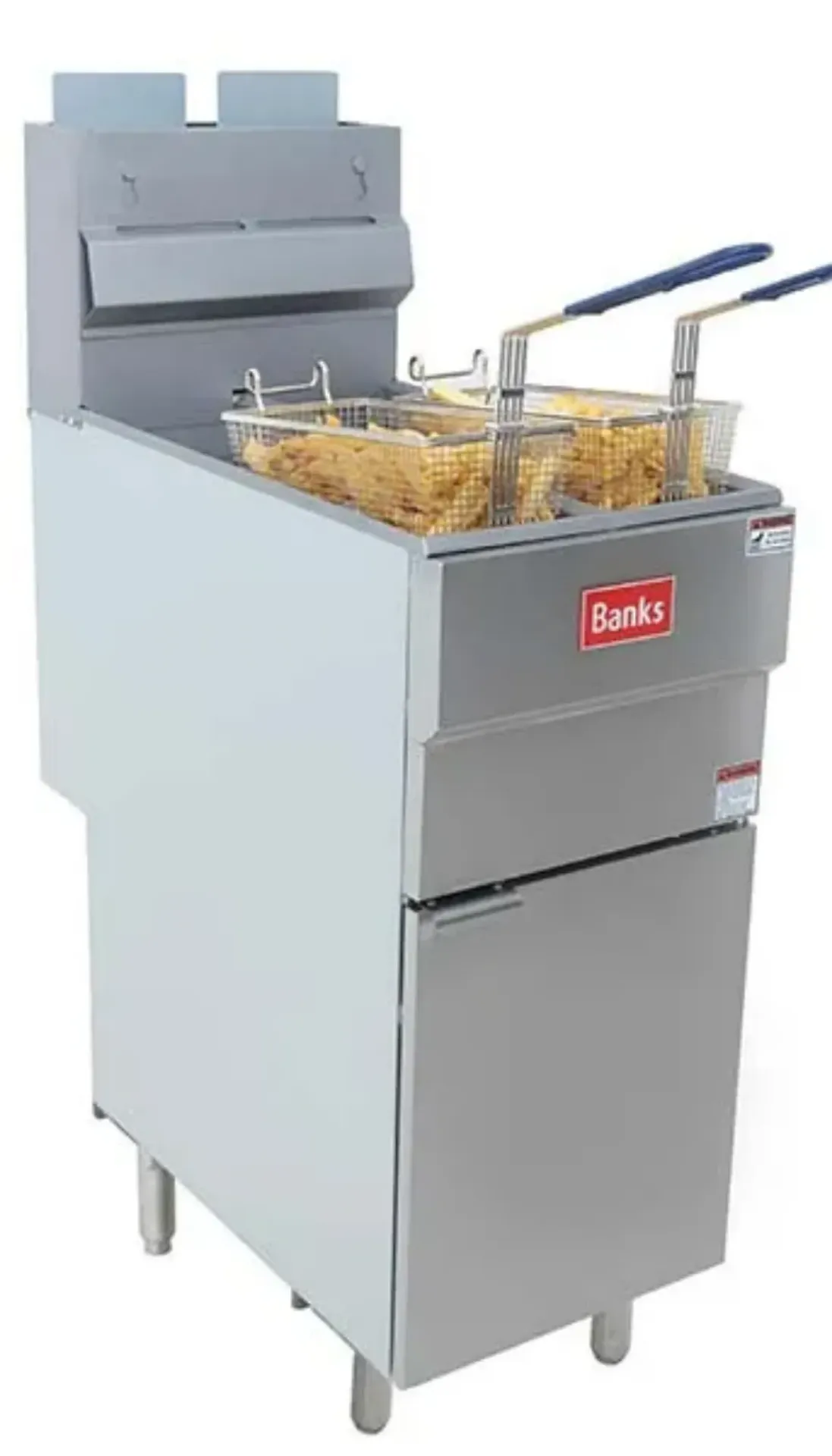
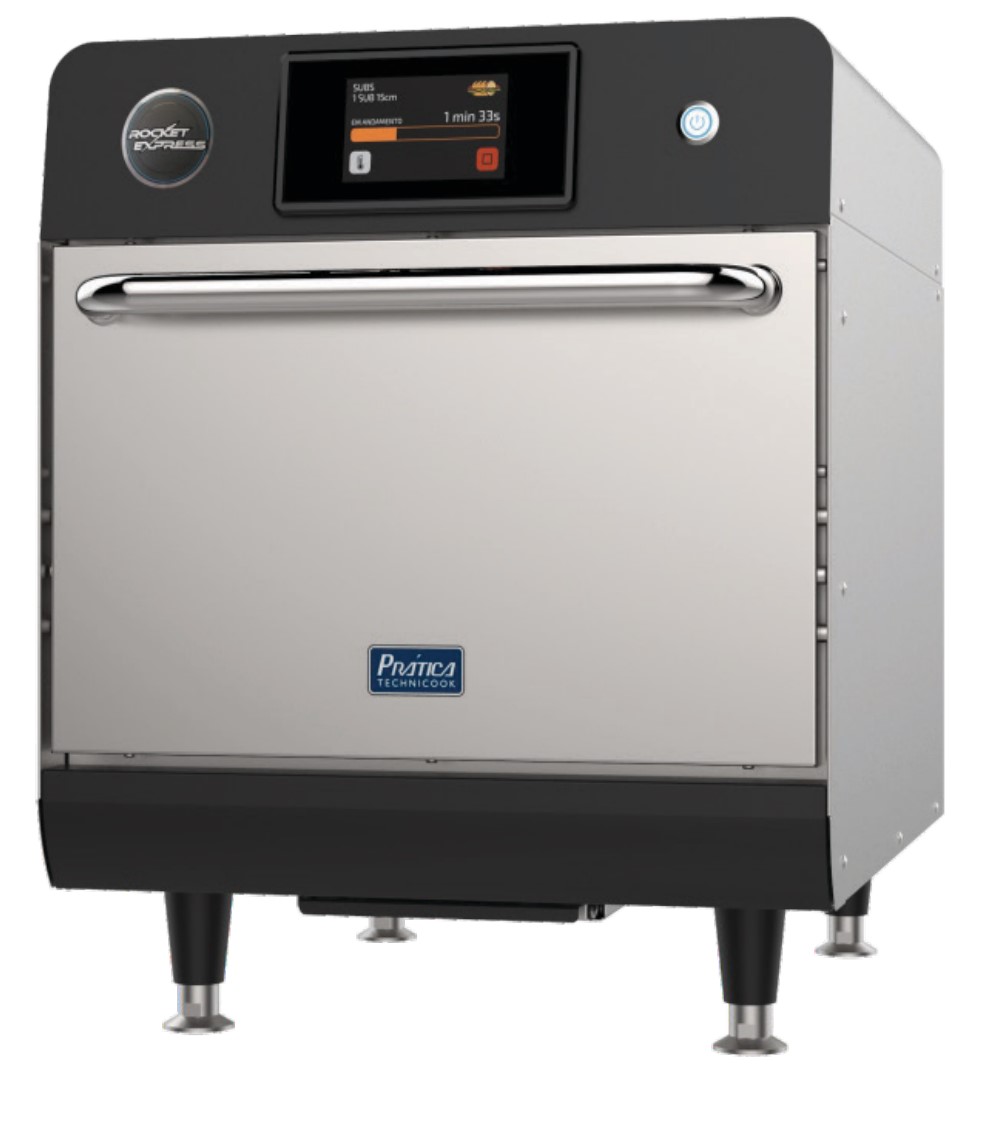
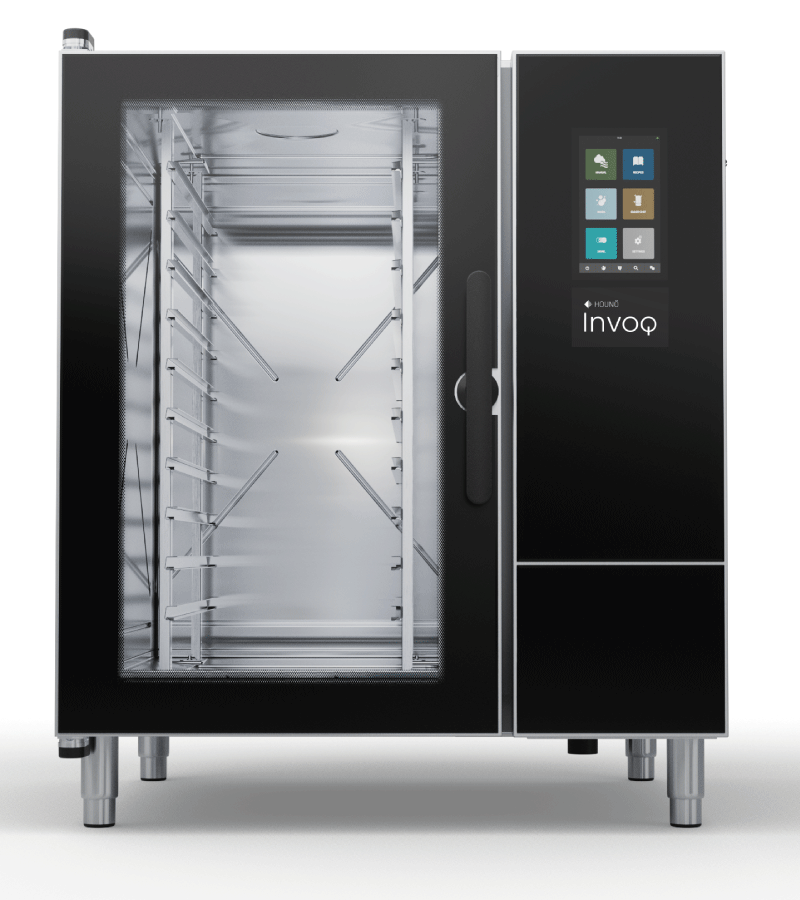
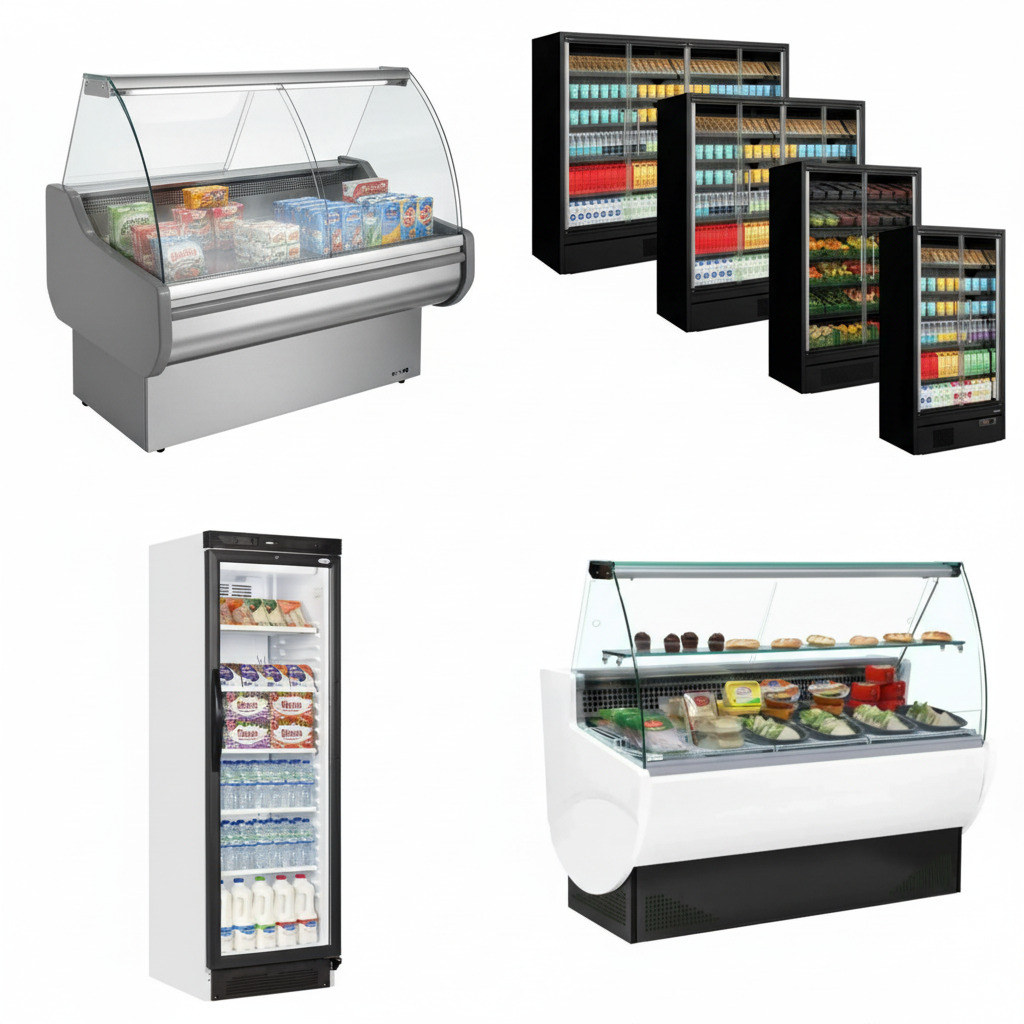
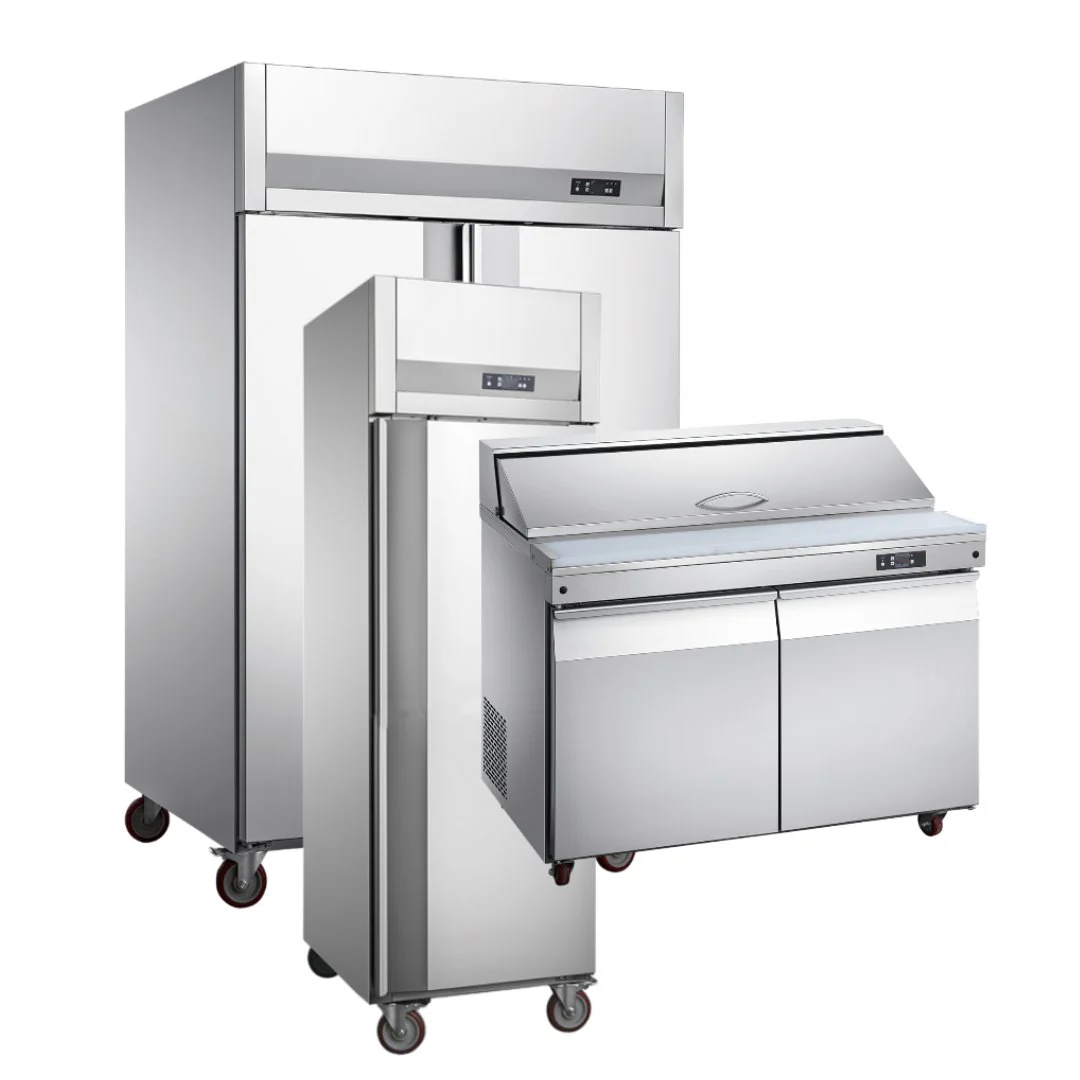
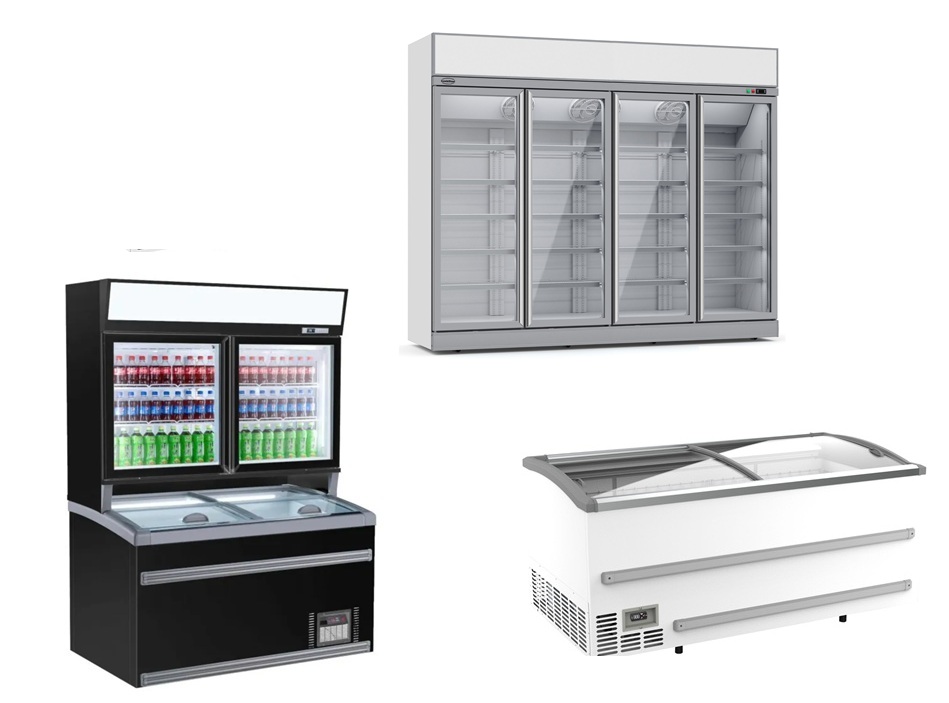
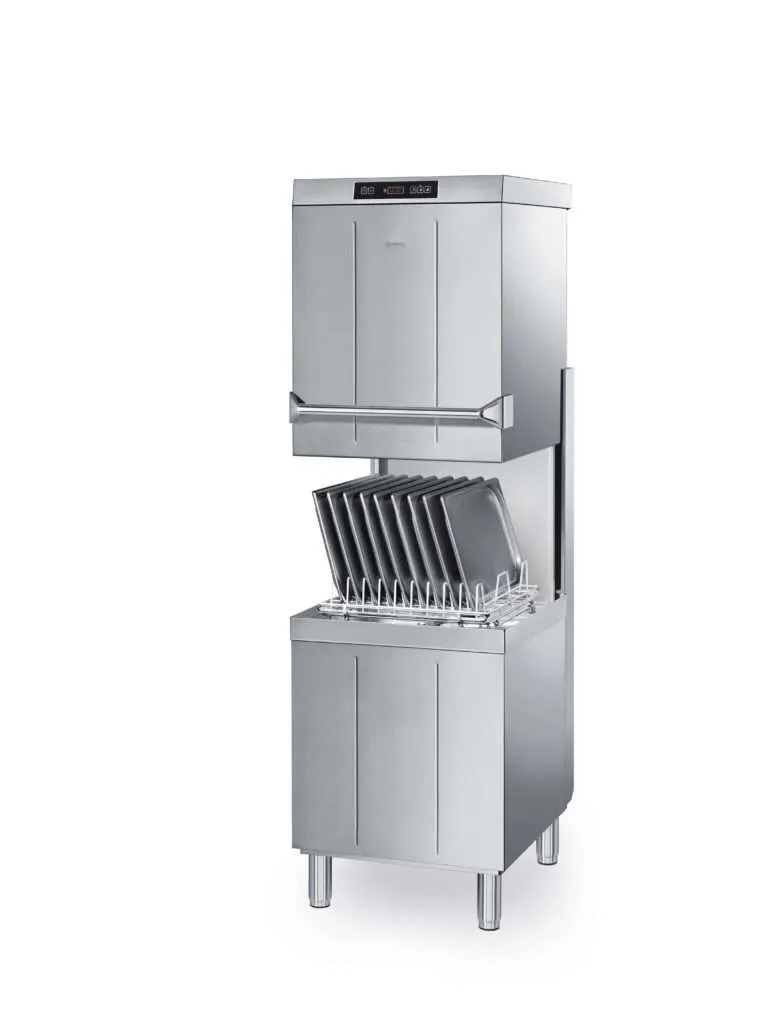
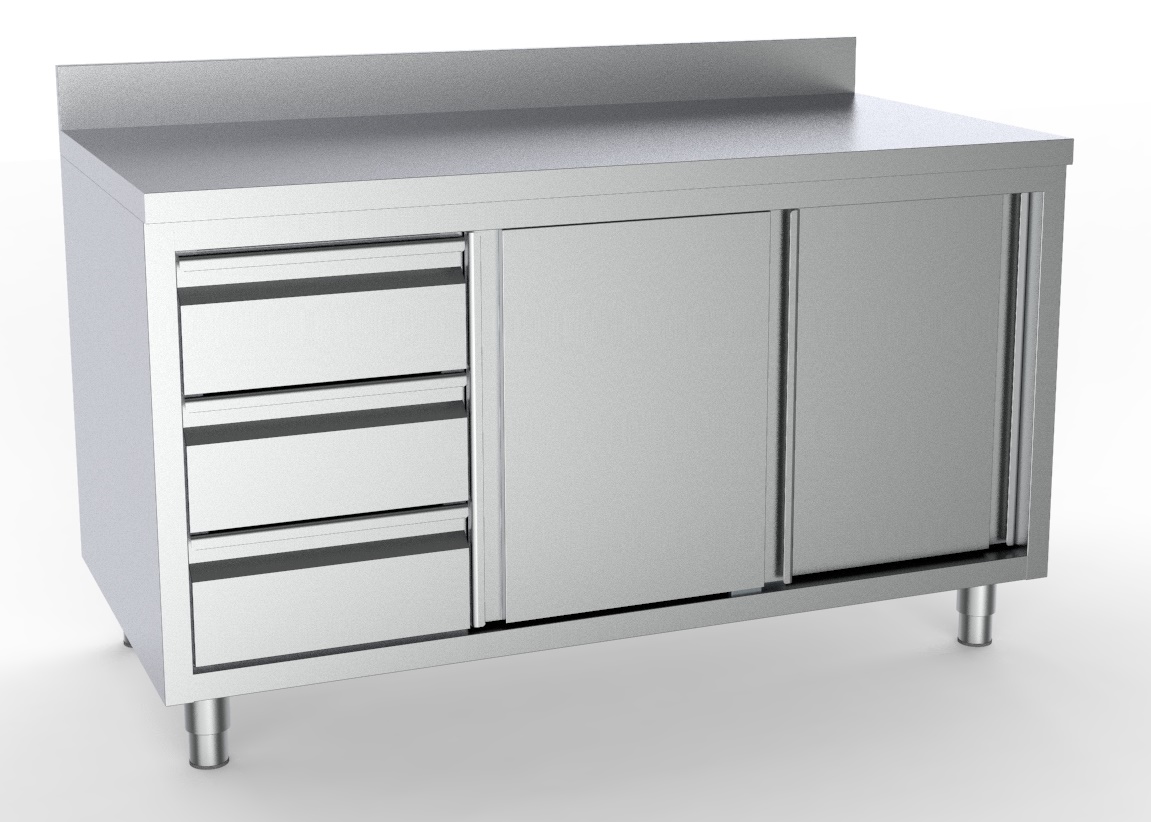
Equipment decisions belong in that same operational review, but not as a promise to replace people. A better layout, reliable refrigeration or faster warewashing can remove avoidable friction from paid time. The investment case must still use the business's own service volumes, maintenance history and staffing constraints.

Use a consistent denominator when reporting the result internally. Payroll as a share of sales, labour hours per cover and output per paid hour illuminate different parts of the operation; none should be allowed to hide understaffing, training needs or a change in service standard. Add a short explanation whenever the team mix or opening hours changed, so the next quarter is not compared with a business that no longer exists in the same form.

The CSO release is a strong prompt to revisit labour assumptions. It is not the assumption itself.

Sources

Ciaran Kilbride, Founder and CEO, CaterBoss

Written by

Ciaran Kilbride

Founder and CEO, CaterBoss

Ciaran Kilbride is the founder and CEO of CaterBoss and writes about industry developments affecting Irish foodservice and hospitality operators.

Comments
Write a comment Close
*
Only registered users can leave comments.