


Optimizing Energy Efficiency in Commercial Beer Fridges in Ireland
Energy efficiency in a commercial beer fridge matters because it lowers running costs while keeping stock reliably chilled during busy service in Irish bars and pubs.
You balance consistent temperatures, fast pull-down after door openings, and the realities of Irish hospitality spaces where fridges sit behind the bar, under counters, or in warm cellar areas with limited airflow. Choosing the right size prevents wasted energy from overcapacity or strained compressors, while practical features like stronger insulation, LED lighting, tight door seals, and the right cooling system help you hold set temperatures without constant cycling. Installation details such as clear ventilation gaps and sensible placement away from heat sources reduce breakdown risk and protect performance over time. Ongoing care, from cleaning condenser coils to checking gaskets and booking routine servicing, keeps efficiency from drifting and helps avoid costly product loss.
With those essentials in mind, you can start by understanding what “energy efficient” actually means for a commercial bottle cooler in day-to-day Irish pub use and where the biggest savings typically come from.
Understanding Energy Efficiency
Energy efficiency in a commercial beer fridge means holding the same cooling performance and stable serving temperature while using less electricity. In an Irish bar, where back-bar fridges often run 24/7, that shows up quickly in weekly overheads and in how hard the unit has to work during busy, warmer spells. It also depends on real-world use like door openings, loading habits, and airflow around the condenser, not just what looks good on a spec sheet.
Why it matters for Irish pubs
Energy efficiency is worth prioritising because electricity is a controllable cost, and SEAI notes that cutting business energy use through efficiency reduces bills and carbon emissions in Ireland in its Energy Efficiency Guide.
Environmental impact and the “hidden” savings
Efficiency matters environmentally because lower kWh use generally means lower grid-related emissions per pint served, and it matters financially because less run-time can reduce compressor wear, heat dumped into the bar area, and call-outs. That usually leads to a simple practical question on the buying side: how much space and capacity you genuinely need to support your throughput without paying to chill empty volume.
Determining the Right Size and Capacity
Map your bar layout and measure the exact space the unit will live in, including door swing, loading room and the ventilation gaps the manufacturer calls for. Estimate your true peak-weekend stock so you size for real turnover, not “best case” quiet nights. Convert that stock into usable shelf space for bottles and cans, leaving room for crates, kegs and staff access. Sanity-check the spec against typical warm bar conditions, because heat and poor airflow can quietly push energy use up and knock performance when you need it most.
1. Measure the space as it will actually be used
Allow clearance for delivery and loading, cleaning access and condenser airflow so the fridge is not forced to run hot or short-cycle in a tight gap. In practice, a unit that fits on paper can still be the wrong choice if staff cannot open doors fully or if the condenser cannot breathe, and that tends to show up quickly during busy service.
2. Size for peak stock, not average service
Build capacity around your busiest sessions so you are not over-opening doors, warming product and constantly rearranging stock to make it fit. It also helps to think in “par levels” for your top sellers, because a fridge that is always stuffed to the roof will struggle to hold temperature evenly and becomes harder to keep organised and hygienic.
3. Account for ambient heat and airflow
Back-bar areas often run warmer than you expect, especially with glasswashers, ice machines, coffee kit and poor extraction nearby, and that extra heat load affects both running cost and recovery time after door openings. SEAI notes in its 2024 compliance assessment of refrigeration products that different EU ecodesign and energy labelling rules apply across household refrigeration, “refrigeration with a direct sales function” (commercial display-type units), and professional refrigeration, so when you are comparing models it is worth confirming which category and label regime your specific unit falls under.
Key Features for Maximising Efficiency
Efficient commercial beer fridges in Ireland are usually the ones that minimise heat gain and compressor run time through tighter door seals, better insulation, and smarter controls. The best choice still depends on your service pattern: frequent door openings suit fast temperature recovery (often fan-assisted), while steadier storage can suit static cooling where doors stay shut more of the day, which is why door style and airflow design matter so much.
Solid vs glass, LEDs, insulation, refrigerant, and cooling type
In practice, solid doors typically lose less cold than glass, LEDs cut heat inside the cabinet, and thicker insulation slows temperature drift. For background on EU energy labelling and ecodesign requirements for refrigerating appliances (household fridges/freezers), see the European Commission’s overview page: Fridges and Freezers - European Commission. Note that many commercial beer fridges and bottle coolers fall under different EU rules (for example, refrigeration with a direct sales function), so the label format and what the figures mean can differ by product category. Static cooling is quieter and can hold humidity better, while fan-assisted cooling evens out temperature and recovers faster after door openings, which tends to suit busy bar service where the fridge gets opened repeatedly during a shift.
Importance of Installation and Ventilation
Experts generally agree that where you place a commercial beer fridge and how it breathes matters as much as the spec sheet. SEAI’s business guidance includes refrigeration as an area with actionable energy-saving options for retailers in its Energy Efficiency Guide. In an Irish bar, the “right” setup varies with footfall heat, tight back-bar joinery, and whether the unit is fighting warm cellar lines and a busy glasswasher beside it, which is why layout and airflow deserve the same attention as capacity and temperature range.
Heat rejection: why a blocked grille costs you money
Proper airflow lets the condenser dump heat quickly, so the compressor runs shorter cycles and holds temperature without strain. If you’re boxing a fridge into a back-bar, treat it like a small radiator: it needs clear intake and exhaust paths, not a dead pocket of warm air. In practice, this is where day-to-day running costs and reliability are won or lost, especially when the bar is flat out.
Common Irish bar setup mistakes to avoid
- Pushing the unit hard against the wall so the condenser cannot breathe
- Parking it beside hot kit (dishwashers, coffee machines, undercounter ovens)
- Leaving the front kick-space cluttered with crates, which starves airflow
Keeping these basics right also reduces the likelihood of nuisance breakdowns and temperature swings, which makes it much easier to focus on the longer-term maintenance routine that keeps a beer fridge performing year-round.
Frequently Asked Questions About Installing and Ventilating Commercial Beer Fridges in Ireland
How much ventilation clearance does a commercial beer fridge need?
It depends on the make and whether it is a front-breathing (ventilated through the plinth/grille) or rear-vented unit, so always follow the manufacturer installation manual. As a rule of thumb, you want enough free space so warm air can leave the condenser area and cooler air can replace it, with no tight boxing-in or blocked grilles. If you are building it into joinery, check the spec for required side, rear, and top clearances and allow for a proper airflow route rather than just an empty gap.
Can you install a commercial beer fridge under a bar counter or in back-bar joinery?
Yes, provided the model is designed for that type of installation and you maintain the airflow path the unit needs. Many undercounter and back-bar fridges are designed to vent from the front, which suits tight bar layouts in Ireland, but they still need the front grille kept clear and the unit levelled properly. If a unit is rear-vented and you box it in, it will recirculate hot air and struggle, which usually shows up as higher running costs and shorter compressor life.
What happens if the condenser airflow is blocked?
The fridge rejects heat less efficiently, so the compressor runs longer and harder to hold set temperature. That can increase electricity use, cause overheating trips, shorten component life, and lead to poor temperature stability, especially during busy service when the doors are opening constantly. In real terms, you often notice warm bottles, slow pull-down after restocking, and an increase in callouts that were avoidable with better ventilation.
Should you place a beer fridge beside a glasswasher or coffee machine?
It is best avoided where possible. Hot equipment raises the air temperature around the fridge, which makes the refrigeration system work harder and can reduce performance, particularly in enclosed back-bar areas. If there is no alternative, work within the manufacturer’s guidance on ventilation and placement, keep the condenser area clean, and consider physical separation where appropriate.
Do commercial beer fridges in Ireland need to be installed by a qualified technician?
For basic positioning and ensuring ventilation is clear, you can usually handle it in-house. Anything involving fixed electrical work, refrigeration system work, refrigerant handling, or commissioning should be done by a suitably qualified professional following the manufacturer’s instructions. This also helps with warranty protection, insurance expectations, and peace of mind that the unit is safe and set up correctly for a commercial environment.
Get the Right Beer Fridge Setup for Your Bar
If you are fitting out a new bar or replacing a tired unit, match the fridge type to your joinery and airflow reality, not just the litre capacity on the spec sheet. Talk to Caterboss about trade-grade back-bar refrigeration that suits Irish pub layouts, along with practical advice on placement, ventilation, delivery, and after-sales support. If cash flow matters, ask about flexible finance options that are subject to approval and partner terms, so you can keep your bar running without tying up working capital.
Maintenance and Care Tips
Keep your commercial beer fridge energy-efficient by sticking to a simple routine: clean the condenser area and interior, check the door seals and hinge alignment so you are not leaking cold air all day, and keep airflow and set temperatures steady. Book periodic servicing to catch refrigerant and control issues early. In a busy Irish bar, every small fault usually shows up on your electricity bill long before it becomes a full breakdown.
1. Clean coils, fans, and the cabinet properly
Start by switching off, brushing or vacuuming dust from the condenser area, and washing shelves and drains so airflow and heat transfer stay efficient. Even a light build-up of dust and fluff can make the compressor work harder, which is exactly what you do not need during peak service when doors are opening constantly.
2. Check door seals and alignment
Inspect gaskets for splits, gaps, and hardened corners, then confirm the door pulls shut evenly and stays shut; a poor seal forces longer compressor run time and can create warm spots around product. If you are seeing condensation around the frame or the door feels a bit “springy,” it is often a seal or alignment issue rather than a cooling-system fault, which is why it is worth catching early.
3. Schedule professional servicing
Plan routine checks because the Irish EPA notes personnel handling F-gases must be certified, and an F-gas-qualified refrigeration engineer can verify controls, refrigerant condition, and safe operation. A proper service also helps you spot common wear points like failing fans, icing risks, and drifting thermostats before they knock stock temperatures off target.
Understanding Energy Labels and Ratings in Ireland
Energy labels matter because a beer fridge runs 24/7, so small efficiency differences quickly turn into real euro on your electricity bill. The label gives you a like-for-like yardstick, rather than relying on sales specs that can hide test conditions. Just note that labels and rating methods differ by product type: household fridges/freezers use the A to G label described by the European Commission, while many commercial display-type units (including some beverage coolers) fall under different EU labelling rules.
What to read first on the EU label (and why)
- Start with the A to G energy class, then compare annual kWh, because the label is designed for quick comparison under EU energy labelling rules for household refrigerating appliances (see: Fridges and Freezers - European Commission).
- Use the QR code on the label to check the model in the EU database (EPREL), which can be handy when you are comparing similar-looking units across different suppliers, as outlined in SEAI’s Be Label Aware booklet.
Irish reality check: labels vs your actual premises
Irish bars often have tighter back-bar spaces and warmer plant rooms, so the “rated” kWh can be optimistic if airflow is restricted or condenser coils clog with dust and fluff. That gap is exactly why it pays to look beyond the letter rating and think about how the unit will perform in your own service conditions, and to confirm you are comparing labels that apply to the same product category.
Energy-Saving Tips for Irish Bars
Cut the running cost of your bar refrigeration by tightening up the day-to-day basics. Most operators find beer fridges waste energy through small habits rather than big faults, and refrigeration is a common target for energy-saving actions in business guidance such as SEAI’s retailer-focused Energy Efficiency Guide. The wins come from controlling heat gain, run-time, and unnecessary cycling, and your exact savings will vary with bar temperature, footfall, stock levels, and how often doors are opened on busy nights, which is why it pays to focus on the controllables.
Night blinds, set-points, and door discipline
SEAI’s retailer energy guidance on refrigeration includes practical actions such as allowing sufficient space around units for circulation/heat dispersal, avoiding overfilling so cooling air can circulate, switching off lights inside cooled spaces when not needed, cleaning door seals, checking and cleaning condensers/evaporators, and checking calibration temperature so stock is only cooled to the temperature you need (see Energy Efficiency Guide).
- Fit night blinds or curtains on open display cabinets after close (where suitable), set a sensible beer temperature set-point, clean condenser coils, replace worn door gaskets, and train staff to open once, grab fast, and close fully so the system spends more time holding temperature than chasing it.
How Business and Environmental Goals Intersect
When you switch to an energy-efficient commercial beer fridge, the immediate impact is lower day-to-day electricity spend and steadier product temperatures, which helps reduce waste from spoiled stock. You tend to see the difference quickest in your meter readings and in fewer emergency call-outs during busy weekends. Over a full year, the savings add up because refrigeration runs 24/7, so small efficiency gains matter more than once-off tweaks.
Turning fridge efficiency into a wider Irish sustainability win
In practice, pubs that pair efficient refrigeration with structured upgrades often find it easier to manage energy cost volatility. If you are taking a whole-building view, it is worth looking at the other big energy loads in your venue too, so the benefits of better refrigeration are backed up by sensible choices across lighting, ventilation, and day-to-day operating habits that keep costs predictable.
Frequently Asked Questions About Commercial Beer Fridge Efficiency in Ireland
What size commercial beer fridge or bottle cooler do I need for my bar or pub?
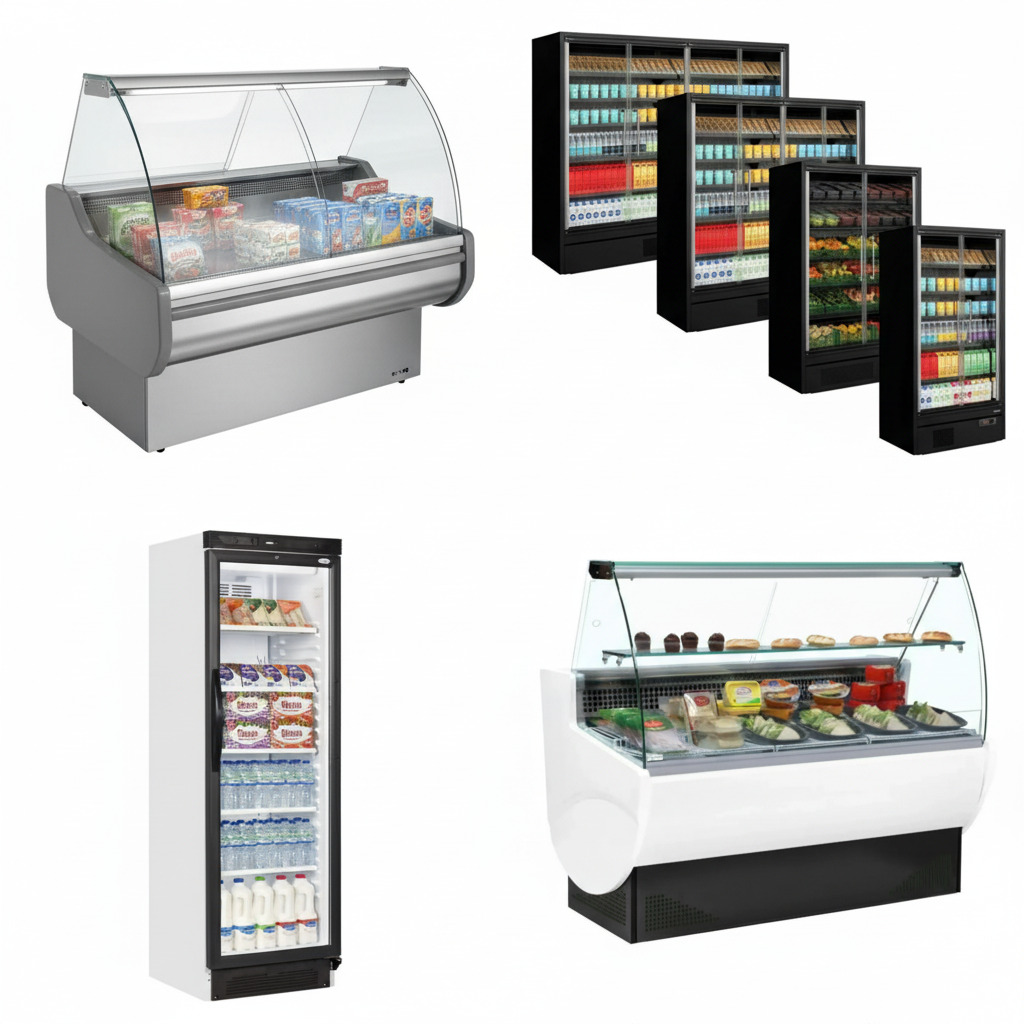
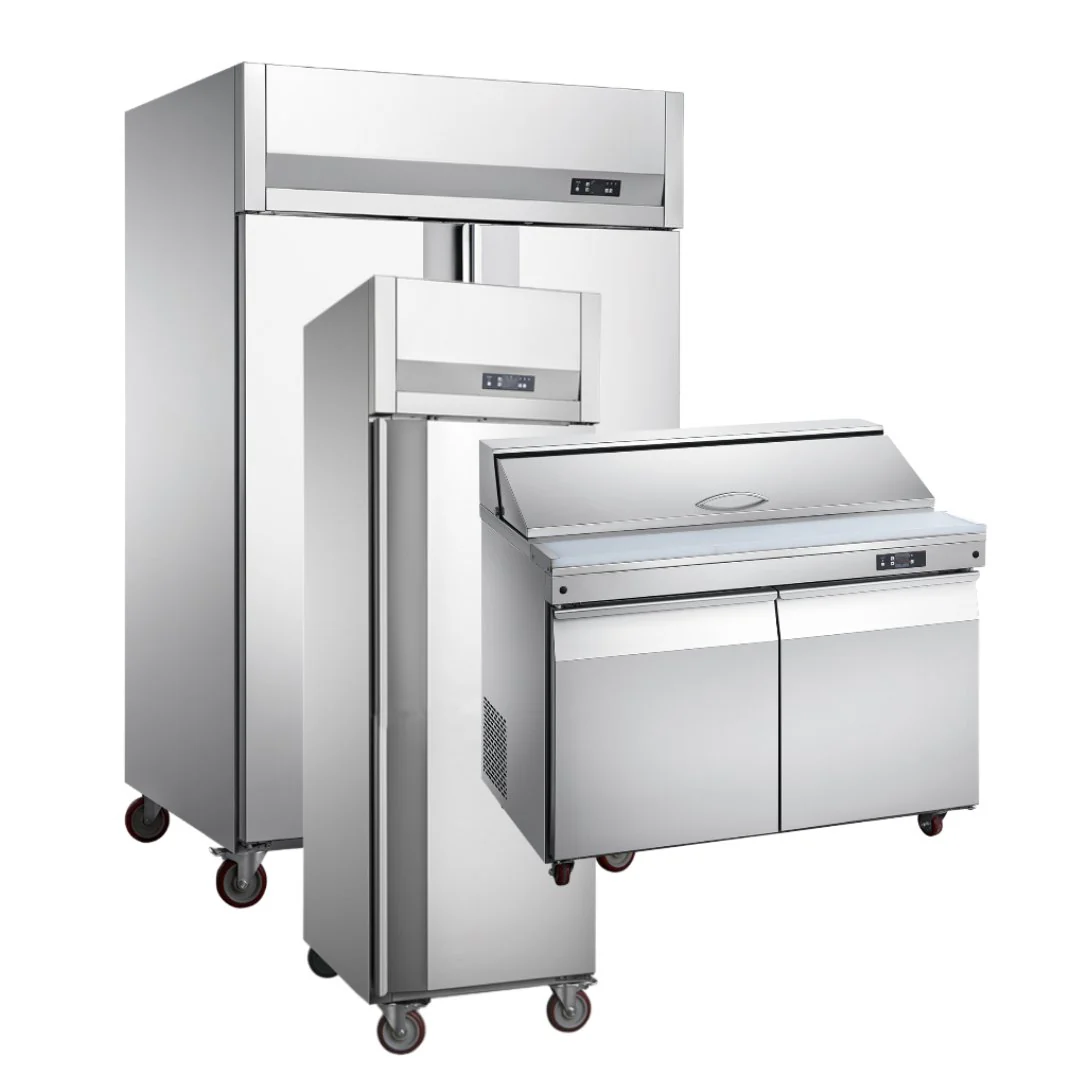
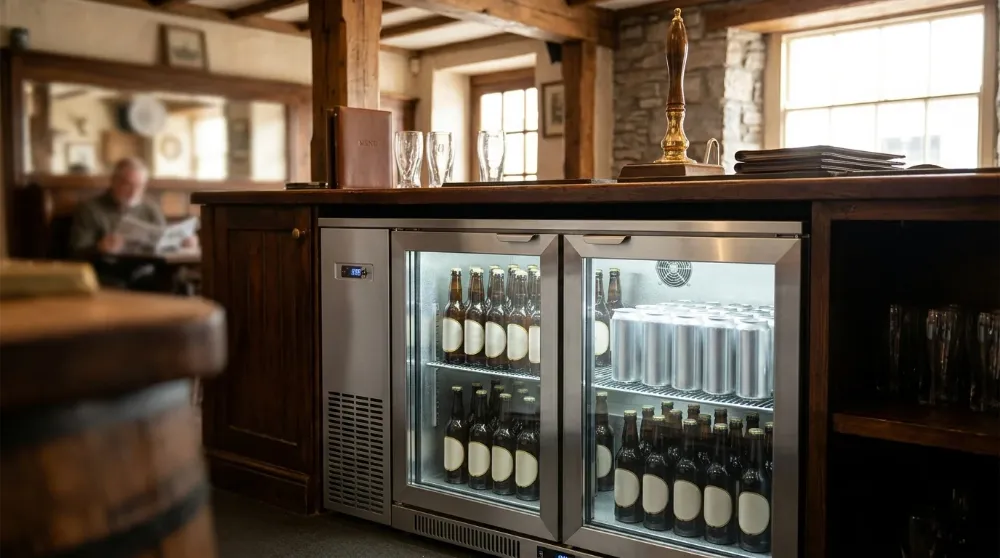
Size comes down to where it will live and how you serve. For most Irish bars, a back bar bottle cooler needs to fit under your counter run and open safely behind staff, while an upright beer fridge suits stores, barrel rooms, or prep areas where you can stack and rotate stock.
Use these checks to avoid buying the wrong footprint:
- Measure the full bay (width, depth, height) and confirm you still have comfortable working space when doors are open.
- Leave ventilation clearance so the condenser can dump heat properly, especially if the unit is in a tight joinery section.
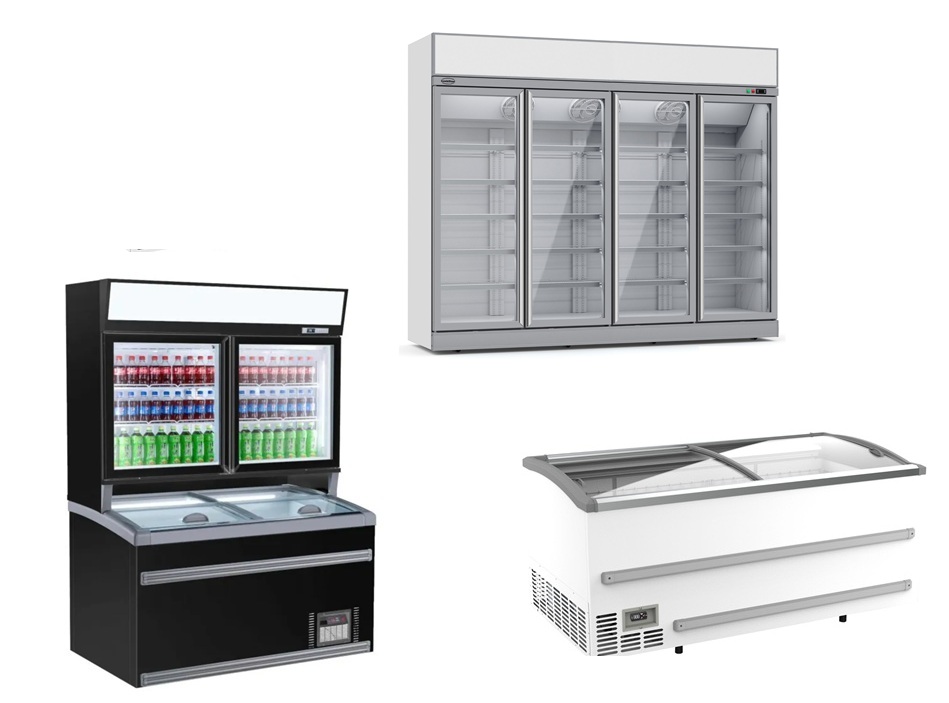
- Match the cabinet type to service speed: sliding doors tend to work well in narrow aisles behind busy bars, while hinged doors can be more efficient when you have the swing space.
- Plan for growth: if you add taps, increase bottled lines, or start carrying more craft, a slightly larger cabinet often prevents overloading, which pushes energy use up.
If you are comparing typical undercounter and multi-door options, our beer fridge category gives a quick way to filter by dimensions and door format.
How many bottles or cans should my commercial beer fridge be able to hold?
Aim for capacity that covers your peak service window without forcing you to overfill shelves or block airflow. A practical approach is to set a minimum holding target based on your par levels.
- List your top sellers (bottles, cans, mixers) and the maximum you want cold at any time.
- Work backwards from peak demand: think Friday and Saturday service, live sport, bank holiday weekends, and any local events.
- Allow space for stock rotation so older deliveries are pulled forward and new stock goes behind.
- Keep headroom: running a cabinet packed tight reduces circulation and makes the compressor work harder.
If you stock a mix of bottle sizes, check that the shelf spacing and internal height can take taller 500 ml bottles or larger cans without wasting usable rows.
What temperature should a commercial beer fridge or bottle cooler run at to keep beer properly chilled?
For most bars and pubs, a set point in the 3°C to 5°C range keeps beer pleasantly cold for service without pushing the cabinet into unnecessary work. It is also consistent with Irish chilled storage guidance, as the Food Safety Authority of Ireland notes that the temperature of fridges and chill storage cabinets should be between 0°C and 5°C for safe refrigerated storage (FSAI guidance on cold storage temperatures).
Two quick tips that protect taste and efficiency:
- Use a suitable thermometer to spot-check actual product temperature, not just the display reading.
- Avoid ultra-low set points unless you specifically need them for a product, because colder targets generally mean longer compressor run time and higher electricity use.
What features make a commercial beer fridge more energy efficient?
Look for features that reduce heat gain and help the refrigeration system run less often:
- High-quality door seals and self-closing doors to limit warm air infiltration during service.
- Double-glazed doors (or solid doors where display is not needed) to cut heat transfer.
- LED lighting rather than fluorescent, especially for glass-front back bar units.
- Fan-assisted, well-designed airflow that cools quickly after openings, rather than relying on prolonged compressor cycling.
- Accurate digital temperature control so you can hold a stable set point instead of chasing swings.
- Easy-clean condenser access so routine maintenance actually gets done.
In Ireland, it can also pay to check any applicable energy label and the declared energy consumption figure on comparable models, because it lets you compare likely running costs before you commit. Make sure you are comparing like with like (i.e., the same product category and test method).
How much electricity does a commercial beer fridge or bottle cooler typically use?
There is no single typical number because usage depends on cabinet size, door type (glass versus solid), ambient temperature behind the bar, how often doors open, and how heavily it is loaded. The most reliable way to estimate running cost is to use the unit’s declared energy consumption figure on its documentation and, where applicable, its energy label (the exact metric and label regime depends on the product category). For household refrigerating appliances, EU labels show energy use as kWh per year for like-for-like comparison (Fridges and Freezers - European Commission).
A quick costing method:
- Annual cost estimate = (declared kWh per year) × (your electricity unit rate in €/kWh).
Once you know that baseline, small operational tweaks like set point discipline, clean condensers, and tighter door habits start to feel like real money back.
Get Ongoing Energy-Saving Tips for Your Bar
Stay ahead in energy efficiency by subscribing to our newsletter for practical, Ireland-relevant tips on cutting running costs across commercial equipment, including beer fridges and bottle coolers.
If you are also weighing up an upgrade, browse our range of commercial beer fridges to compare formats, sizes, and features with energy use in mind.