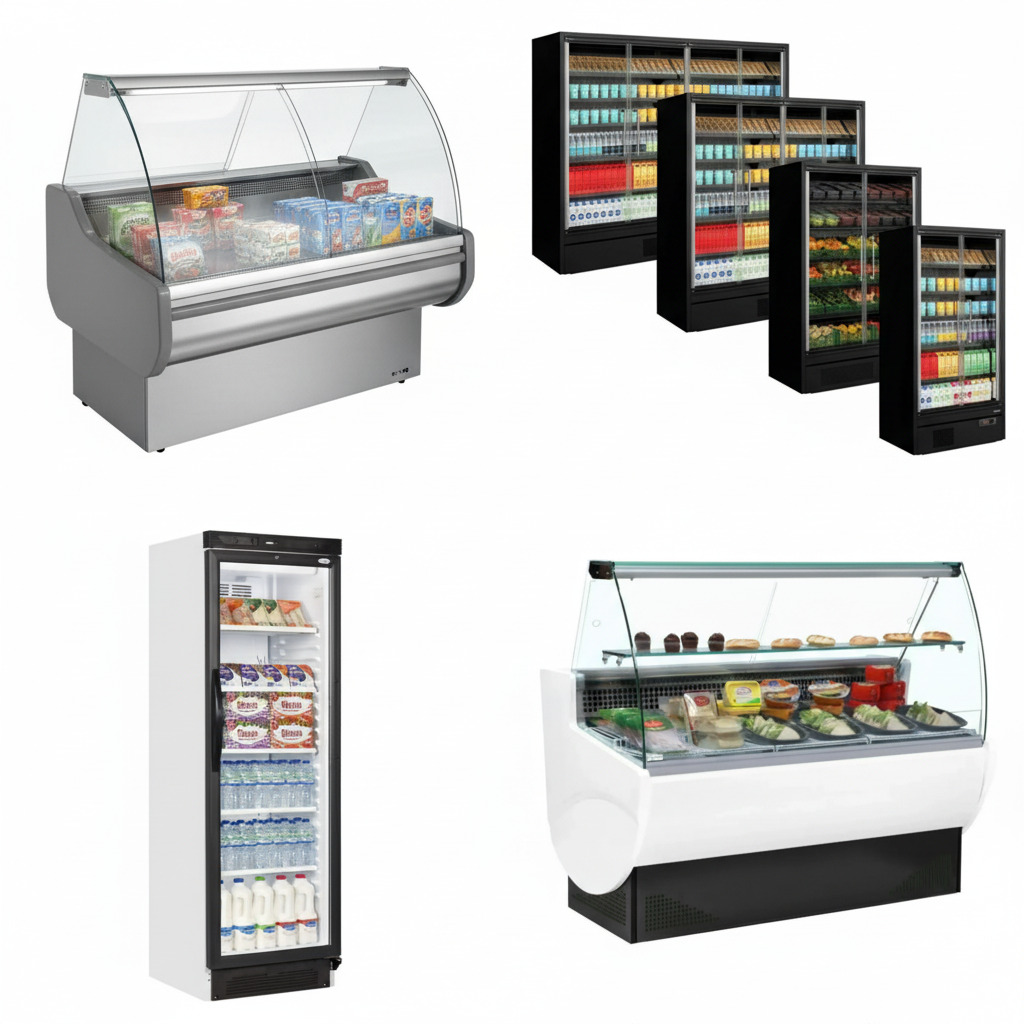



Choosing the right commercial beer fridge capacity matters because it protects your serve quality on busy Irish trading nights while keeping stock moving without wasting space or electricity.
You size your fridge around how your venue actually sells beer: peak demand on match days and bank holidays, your typical weekly turnover, and the mix of kegs, bottles, and cans you need cold and ready behind the bar. You also balance practical constraints that can shrink usable capacity, including shelf layouts for mixed bottle sizes, frequent door openings that affect temperature recovery, and the choice between solid and glass doors.
Running costs and reliability stay part of the decision, so you factor in energy efficiency for Irish utility prices, placement and noise for tight back bar areas, and maintenance expectations so the unit holds temperature and stays compliant in day to day service. With those considerations in mind, you can match a fridge size to how you trade and set yourself up for smoother stock planning and faster service, starting with what a commercial beer fridge is and how the main types differ.
Understanding Commercial Beer Fridges
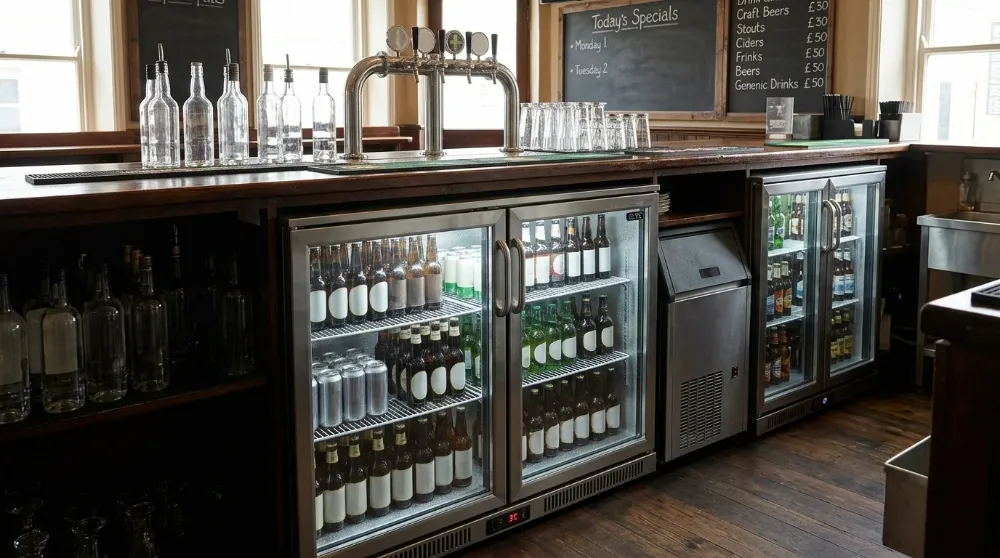
A commercial beer fridge, often called a back bar cooler, is a trade-grade refrigerated cabinet built to chill bottled and canned drinks for fast service behind the bar. It matters because consistent cold storage protects taste and carbonation while keeping your busiest rounds moving without staff hunting for stock. The main nuance is that “capacity” is not just litres, it is also about door count, shelf layout, and how often you are opening it during service, because real-life access is what decides whether a unit feels spacious or constantly jammed.
Single-, double-, and triple-door options (and solid vs glass)
The door count is really a workflow choice. A single-door suits tight bars, a double-door balances range and access, and a triple-door fits high-volume pubs with big SKU lines. Glass doors speed up selection, while solid doors typically prioritise insulation. For Irish operators, it is also worth remembering that plug-in fridges are not included in BER assessments, so you still need to judge any back bar unit on its own running costs and performance, not the building rating, as noted here: BER note on plug-in fridges being excluded. That practical focus on what the unit does hour-to-hour is also why temperature stability matters as much as storage volume.
Why temperature consistency is non-negotiable
Good back bar cooling is about holding a safe, steady chill even with frequent door openings during service. The FSAI states fridges should be set so food is kept between 0°C and 5°C in its temperature control guidance, which is a practical benchmark for any bar storing garnishes or dairy-based mixers beside beer. Even if you are only chilling drinks, the same discipline pays off in better pour quality, fewer customer complaints, and less stock loss from warm cycling, which is where the right specification and setup choices start to earn their keep.
Frequently Asked Questions About Commercial Beer Fridges
What is a commercial beer fridge (back bar cooler) and how is it different to a domestic fridge?
A commercial beer fridge is built for trade use, meaning heavier-duty compressors, stronger shelving, faster recovery after door openings, and easier service access compared with most domestic units. In a pub or bar in Ireland, the big difference you notice is consistency in busy service, because a domestic fridge can struggle to pull temperature back down when doors are opened repeatedly and stock is loaded warm from delivery.
What size commercial beer fridge do I need for a pub or bar?
Size depends on your weekly throughput, how many SKUs you carry, and how you work the back bar. Door count is a good real-world proxy: single-door for low-volume or tight footprints, double-door for most standard pubs, and triple-door where you are running a wide range and you need quick access at peak times. Shelf layout matters as much as raw litres, especially if you stock tall bottles, 330 ml cans, or mixed formats that do not stack neatly.
Are glass doors better than solid doors behind the bar?
Glass doors are usually better for speed because staff can see stock instantly and grab the right line without holding the door open. Solid doors generally insulate a bit better and can be a good choice where the unit sits near heat sources or where you prioritise efficiency over visibility. In practice, the best choice comes down to service pace, where the fridge sits in the bar layout, and whether you are constantly opening it during a rush.
What temperature should a commercial beer fridge be set to in Ireland?
If you store any food items such as milk, cream liqueurs that need chilling, or garnishes, follow food safety practice. The FSAI guidance is that fridges should be set so food is kept between 0°C and 5°C, as per its temperature control guidance. For drinks-only storage, many operators still aim for stable low single digits because consistency is what protects quality and reduces foaming issues at service.
Does a BER rating cover plug-in commercial fridges like back bar coolers?
No. Plug-in fridges are generally excluded from BER calculations, so they do not influence the BER rating in the way fixed building systems do. That is why you should assess a back bar cooler on its own running cost, duty rating, and suitability for your service pattern, not on the building’s BER, as referenced here: BER note on plug-in fridges being excluded.
What should I look for when comparing single-, double-, and triple-door back bar fridges?
Focus on how you actually work during service. Check internal shelf spacing and adjustability, door swing and handle position, and whether your best-selling lines are reachable without moving other stock. Then look at the practical spec points that affect real performance in Irish venues: ventilation requirements around the unit, how it handles frequent openings, and whether you have suitable power supply and space for cleaning around the condenser area.
Choose a Back Bar Beer Fridge That Holds Temperature in Real Service
If you are fitting out a new bar or replacing a unit that cannot keep up on a busy night, pick your back bar cooler around door count, shelf layout, and temperature stability, not just litres on a spec sheet. Caterboss can help you match the right commercial beer fridge to your bar footprint, stock range, and service pace, with practical trade advice, nationwide delivery across Ireland, and flexible finance options subject to approval and partner terms. If you want a quote or a quick steer on what suits your setup, get in touch with the Caterboss team and take the guesswork out of your refrigeration choice.
Choosing the Right Capacity for Your Beer Fridge
Choose the right capacity by mapping your busiest Irish trading window, then working back to how many full cases or kegs you must hold cold before the rush hits. Sanity-check that figure against your delivery cadence and how fast stock actually turns in a normal week. Leave a small buffer for events and warm re-stocks, because an overfilled cabinet loses pull-down speed when doors are constantly opening, and that shows up quickly in serving temperature and beer quality.
1. Measure your peak night demand
Look at a typical Friday or Saturday and count what you sell in the busiest 3 to 4 hours, not the full day. That short, intense window is where undersized back-bar fridges and bottle coolers get found out.
2. Convert sales into “cold stock on hand”
As a rule of thumb for Irish bars, size for at least one full peak-night’s worth of cold stock, plus the next day’s steady trade. This keeps you serving properly chilled beer even when you are restocking from ambient storage during service.
3. Match capacity to turnover and deliveries
If you get 2 to 3 deliveries a week, you can run tighter; if deliveries are less frequent, you need more headroom to avoid serving warm bottles or fighting foamy pours from stock that has not had enough time to pull down. That practical sizing decision tends to sit alongside choices like bottle versus can formats, back-bar layout, and whether you need a display fridge or a heavier-duty storage cabinet.
Fitting Bottles and Cans in Beer Fridges
A capacity guide only helps if you can translate litres into real bottles and cans that actually fit on shelves. The main difference between single-, double-, and triple-door beer fridges is usable shelf footprint and layout, not just the headline litre figure. A single door suits tighter back bars where you are mostly storing one format, like 330ml bottles or 440ml cans. Double and triple doors win when you need to split stock by brand, size, and ready-to-grab rows without blocking airflow. In all cases, your final count depends on shelf spacing, door bin use, and whether you are mixing tall bottles with short cans, so a quick measuring check saves a lot of frustration.
How to convert litres into bottle/can count (the practical way)
Start with your product dimensions and treat litre capacity as a rough ceiling. Layout and gaps are what decide the real count.
In practice, this is the quickest way to get an accurate number for your bar setup in Ireland:
- Measure one shelf bay: width, depth, and usable height to the shelf above (not the cabinet height on the spec sheet).
- Check the internal obstructions: fan cover, light housing, thermostat guard, and the back wall airflow channel can steal space.
- Allow for airflow: packing stock tight to the back and sides can create warm spots and slower pull-down, particularly in busy service.
- Build in real-world clearance: labels, shrink wrap trays, and slightly out-of-round cans all reduce packing efficiency.
If you are buying for a pub, hotel bar, or restaurant, it is also worth thinking about how you load it. A fridge that holds the theoretical maximum but forces constant restacking will slow you down at the bar when the pressure is on, which is where door configuration starts to matter.
Single vs double vs triple door: what typically fits
Single door is about tight, fast access in a small footprint. Double and triple doors are about keeping variety organised without constant shuffling.
A single-door beer fridge tends to suit:
- Smaller bars, coffee docks, and service stations
- Sites that run one or two core SKUs in volume
- Venues that need a compact undercounter or upright option for quick replenishment
Double- and triple-door models tend to suit:
- Pubs and hotel bars carrying a wider range of bottles, cans, and mixers
- Sites that want clear zoning by brand, format, or margin line
- Busy venues where you want more facings without blocking internal airflow
Door count also affects day-to-day efficiency. More doors usually means you can open one section without dumping as much cold air from the whole cabinet, which can help temperature recovery during repeated openings in a busy Irish bar environment, especially on warm weekends and event nights.
Shelving adjustability (why it matters more than you think)
Adjustable shelves let you avoid dead air above short cans and prevent tall bottles scraping the evaporator cover. It also helps you maintain tidy facings, which makes stock rotation easier and reduces the chance of product getting forgotten at the back.
From experience, fixed shelving is where capacity claims fall apart. You end up with:
- Wasted vertical space above 330ml bottles and 440ml cans
- Tall bottles that only fit on the bottom shelf, reducing usable rows
- Awkward gaps that encourage over-stacking, which restricts airflow and can lead to uneven chilling
If you are mixing formats, look for shelving that can be repositioned quickly without tools, and check whether shelves are strong enough for dense loads. Glass bottles add up fast, and trade-grade shelves should handle it comfortably when loaded correctly, which becomes even more important once you start planning mixed loads.
Planning mixed-size loads without wasting space
If you are mixing 330ml, 500ml, and 568ml, plan zones per shelf height and leave clear channels for cold air circulation. That usually means dedicating specific shelves to specific formats rather than trying to squeeze everything onto every shelf.
A practical approach that works well in pubs and restaurants is:
- Bottom shelves for taller bottles: keep the heavier, taller stock low for stability and faster restocking.
- Mid shelves for your fastest movers: keep your core bottles and cans at hand height for speed during service.
- Top shelves for overflow or lighter stock: use for backup or slower lines, while keeping airflow space at the back.
Avoid packing right up to the back wall, particularly on fan-assisted commercial beer fridges, as that is where the cold air needs room to circulate. When the airflow is right, you get more consistent temperature across the cabinet, and your stock stays reliably cold without having to overwork the refrigeration system.
Frequently Asked Questions About Fitting Bottles and Cans in Beer Fridges
How many bottles or cans fit in a beer fridge?
It depends more on shelf footprint and shelf spacing than the litre figure. Two fridges with the same stated capacity can hold very different amounts if one has more usable shelf depth, fewer internal obstructions, or better adjustable shelving. The most accurate method is to measure one shelf (width and depth), check usable height between shelves, then map your exact SKUs like 330ml bottles, 440ml cans, 500ml bottles, or 568ml bottles and allow a bit of clearance for airflow.
Is the litre capacity on the spec sheet reliable?
It is useful as a broad comparison, but it is not a true “how many cans” number. Litre capacity is normally measured as internal volume, and it does not account for practical packing gaps, shelf supports, fan covers, lighting housings, or the airflow space you need for consistent chilling. Treat litres as a ceiling, then plan your real count based on the internal shelf layout.
Should you store bottles in the door bins to increase capacity?
Door bins can add a bit of convenience for small items, but they are rarely the best place for your main volume stock. Door storage tends to be warmer and more affected by frequent opening, so it can be fine for short-term “grab” lines but less ideal for keeping everything at a steady serving temperature. If you do use door bins, avoid overloading them and keep heavier glass to the main shelves where the weight is better supported.
Why does mixing bottle sizes reduce how much you can fit?
Mixed sizes create dead space. Taller bottles force larger shelf gaps, which wastes vertical room for smaller cans and bottles, and different diameters stop you packing clean rows. Zoning helps. Dedicate shelves by format and keep consistent facing sizes per shelf, and you will usually fit more stock while also making restocking quicker during service.
Does overpacking affect how cold the beer gets?
Yes. Commercial beer fridges rely on airflow to pull heat out of the cabinet evenly. When you pack stock too tightly, block the back wall, or stack in front of the fan cover, you can get warm pockets and slower temperature recovery after door openings. It also makes the refrigeration system work harder, which is not what you want in a busy bar where the door is constantly being opened.
What should you check before buying a single, double, or triple-door beer fridge for a bar in Ireland?
Measure your available space, including ventilation clearance, and think about how you actually run service. A single door often suits tight back bars or limited ranges, while double and triple doors suit venues carrying more SKUs and wanting clear zoning by brand or format. Also check shelf adjustability, internal fan cover placement, and whether the fridge is designed for commercial use in a busy hospitality environment rather than light-duty display.
Size Your Beer Fridge Stock Properly Before You Buy
If you want a beer fridge that fits the bottles and cans you actually sell, take five minutes to note your key SKUs (330ml bottles, 440ml cans, 500ml and 568ml bottles) and how you want them faced on shelves, then match that to a trade-grade layout rather than a headline litre figure. Browse Caterboss beer fridges and back-bar refrigeration options, or get in touch with the Caterboss team for practical advice on sizing, door configurations, and shelf setup for busy service in Ireland, with flexible finance options available subject to approval and partner terms.
Energy Efficiency and Running Costs
Most operators find beer fridge running costs hinge on the energy label rating and how hard the unit has to work during service. In practice, the quickest sanity check is the annual kWh figure on the label, but your real bill still varies with room temperature, loading habits, and door traffic. A quiet back bar in January will not run like a sunlit bar on a busy July weekend, so it pays to judge performance in the context of your own trading hours and layout.
What to look for on Irish energy labels
Since March 2021, fridges and freezers moved back to an A to G scale under the EU rescale. SEAI explains how the label is structured and what the kWh figure represents in its guide to energy labelling and ecodesign, which makes it easier to compare models on like for like test conditions. That said, commercial bar fridges and back bar bottle coolers are not always labelled in the same way as domestic appliances, so it is worth checking whether the unit you are pricing includes an energy label, an Ecodesign-style datasheet, or only a manufacturer spec sheet, as that affects how confidently you can compare running costs.
Door openings, temperature recovery, and “usable” capacity
Frequent openings matter because every warm air dump forces the compressor to pull the cabinet back to set temperature, so the same litre capacity effectively holds fewer consistently cold bottles at peak. In a busy service, recovery time, airflow, and how you stock the shelves often make a bigger difference than the headline capacity on the brochure, especially if you are opening the doors every couple of minutes. That is why many operators track refrigeration separately when they want a clearer handle on energy spend across the bar.
Placing and Maintaining Beer Fridges
Set the fridge where it can breathe, level it properly, then confirm airflow and door swing suit service. Build a simple cleaning routine and stick to it so temperature stability and hygiene do not drift over a busy week. Keep an ear out for changes in noise and vibration too, because they often flag blocked vents or a stressed compressor early, and catching that quickly avoids downtime behind the bar.
1. Position it for airflow and smooth service
Place it away from direct sun, hot glasswashers, and tight alcoves. Pubs usually suit back-bar runs, cocktail bars prefer fast-reach stations, and music venues often need a quieter corner to keep any compressor hum away from the room, while still allowing good ventilation around the unit.
2. Check clearance, levelling, and noise
Level the cabinet so doors self-close cleanly, keep vents clear, and aim for steady background noise rather than rattles. If you are getting vibration, it is often as simple as an uneven floor, a unit touching a wall, or bottles and kegs contacting the back panel, all of which can be sorted before it becomes a wear-and-tear issue.
3. Clean to a schedule and log it
The Food Safety Authority of Ireland (FSAI) notes that a cleaning schedule is a useful tool to help you clean effectively, which matters when staff rotate and nights get messy.
- Wipe spills daily, deep-clean door seals weekly, and brush or vacuum condenser fins monthly.
Keeping those basics consistent makes it far easier to hold a steady serving temperature and reduce the risk of off flavours from warm or poorly stored stock.
Frequently Asked Questions About Placing and Maintaining Beer Fridges
How much clearance does a commercial beer fridge need for ventilation?
It depends on the model, because front-venting undercounter units can be tighter, while rear-vented cabinets need more breathing space. As a practical rule in Irish bars, avoid pushing a rear-vented unit hard up against a wall or boxing it into a tight alcove, as restricted airflow drives up running costs and increases compressor wear. Always follow the manufacturer’s installation clearances for that specific fridge, especially if it is built-in under a counter.
Should a beer fridge be level, and how do you check it?
Yes, levelling matters more than people think. A fridge that is out of level can cause doors not to seal properly, drawers to drift open, and vibrations to get worse during busy service. Use a small spirit level on the cabinet base or shelf and adjust the feet so the unit sits solidly with no rocking, then confirm the door closes and seals cleanly without needing a push.
Where should you not place a beer fridge in a bar or pub?
Avoid direct sunlight, right beside hot equipment like glasswashers, and any spot with poor ventilation such as a sealed-in joinery void. In Irish premises, also watch for draughty external doors or cold back corridors in older buildings, as big ambient swings can make temperature recovery slower and add strain. A spot with stable room temperature and clear airflow gives you better performance and fewer callouts.
How often should you clean a commercial beer fridge?
Daily wipe-downs for spills and sticky bottle rings prevent smells and mould from taking hold, especially around the base and door rails. Weekly cleaning of door seals helps them grip properly and reduces warm air leaks. Monthly cleaning of the condenser area is a strong baseline for most bars, because dust build-up reduces heat transfer and can push the compressor harder than it needs to.
What are the signs your beer fridge is not ventilating properly?
Common signs include the cabinet feeling unusually warm on the outside, the compressor running for long stretches, rising internal temperatures, or louder-than-normal operation. You might also notice more condensation, ice build-up, or warm spots on shelves. In many cases it comes down to blocked vents, a dirty condenser, or the unit being squeezed too tightly into a space.
Is it normal for a beer fridge to be noisy?
Some steady background hum is normal for commercial refrigeration, particularly in a busy bar environment. What you want to watch for is a change in sound, such as rattling, buzzing that suddenly appears, or vibration that travels into counters or shelving. Those changes often point to the unit not being level, something touching the cabinet, or airflow issues that are forcing the compressor to work harder.
Do you need to keep cleaning records for fridge maintenance in Ireland?
Formal record-keeping requirements depend on your HACCP-based food safety system and how your business is set up, but keeping a simple cleaning log is good practice for consistency, staff handover, and inspections. The FSAI’s guidance supports using cleaning schedules as a practical tool, and a quick tick-sheet helps prove routines are being followed when the bar is busy and teams rotate.
Keep Your Beer Fridge Reliable Behind the Bar
If your current back-bar fridge is running hot, getting noisy, or simply not coping with service, it is usually a sign the unit is undersized, poorly vented, or due an upgrade. Browse Caterboss for trade grade back-bar refrigeration and bar equipment that suits Irish hospitality service, and talk to the team if you want a practical steer on sizing, layout, and lead times. If cash flow is part of the decision, ask about Caterboss flexible finance options, subject to approval and partner terms, so you can get reliable cold storage in place without tying up all your working capital.
Additional Considerations for Irish Venues
Irish venues need extra thought when sizing a commercial beer fridge because you are often working with tight back-bar footprints, limited airflow, and very real spikes in demand that are easy to underestimate. A fridge that feels fine midweek can struggle badly when the doors are opening constantly, the bar is four deep, and you are trying to chill extra stock on the fly. I have seen bars lose sales simply because product cannot pull down to serving temperature quickly enough, or because a cramped gantry layout blocks doors and slows service. That mix of space pressure and peak-trade pressure is exactly why capacity planning has to reflect your busiest hours, not your quietest ones.
Why do bank holidays and match days change your capacity maths?
Ireland has 10 public holidays, and long weekends tend to create very predictable trade surges, as set out on Citizens Information’s public holiday list. If you cannot pre-chill extra cases and kegs, you end up chasing temperature all night, which means slower service, more warm pours, and more door opening that makes the fridge work even harder. Planning for those known spikes usually comes down to allowing enough chilled holding space for peak stock, plus a bit of breathing room so you are not stacking product right up against the evaporator fans.
Why do Irish buyers care about parts and after-sales support?
Irish operators tend to do best with models that have readily available local spares such as door gaskets, fan motors, hinges, shelves and controller parts, along with service technicians within a sensible call-out radius. When a cooler goes down on a busy Friday or Saturday, you rarely have the luxury of waiting on parts from overseas or trying to find a technician at short notice, and lost weekend trade can dwarf the repair cost. Once you start thinking that way, it naturally leads into choosing suppliers who can support you after the sale, not just on delivery.
Frequently Asked Questions About Commercial Beer Fridges in Ireland
How do I choose the right size commercial beer fridge for my pub or bar?
Size it around peak trade, not average trade. Work out how many kegs and chilled cases you want cold and ready during your busiest window, then add allowance for restocking gaps and the reality that doors will be opening constantly in service. In practice, a venue with match-day surges often needs more chilled holding capacity than the weekly ordering pattern suggests, because you want product already at temperature rather than trying to pull it down quickly during the rush.
What temperature should a commercial beer fridge be set to?
Most bottled and canned beer is typically held around 3°C to 5°C for service, while some products and styles may be served slightly warmer depending on brand preference and customer expectation. The key is consistency and safe food-style temperature control, rather than chasing an extra-cold setting that increases energy use and can lead to freezing near the air outlet on some cabinets. If you are serving draught, remember the line and cellar setup also affects final pour temperature, so fridge settings are only one part of the picture.
Is it better to buy a fan-assisted or static cooling beer fridge?
Fan-assisted cooling is usually the safer choice for a busy Irish bar because it recovers temperature faster after door openings and holds a more even temperature across shelves. Static cooling can be quieter and sometimes suits low-open environments, but it can struggle more when the cabinet is heavily loaded or opened frequently. What matters most is matching the cooling style to your real service pattern and how tightly the unit will be packed.
Do I need a glass door or solid door beer fridge?
Glass doors are great for speed of service and merchandising because staff can grab stock without holding the door open while searching. Solid doors can be slightly better insulated and may suit storage-focused areas where visibility is not important. In a busy back-bar, glass doors often pay for themselves in smoother service, as long as you have good lighting and keep the condenser clean to maintain performance.
What power supply do commercial beer fridges typically need in Ireland?
Most undercounter and back-bar beer fridges run on a standard 230V supply in Ireland, but plug type, amperage and starting load still matter, especially if you are putting multiple refrigeration units on one circuit behind the bar. Always check the manufacturer specification for power input and current, and confirm your existing sockets and circuits with a qualified electrician if you are upgrading or adding units. This avoids nuisance tripping during peak service when the compressor cycles frequently.
How can I reduce running costs on a commercial beer fridge?
Keep the condenser coil clean, maintain good airflow around the unit, and avoid overloading shelves in a way that blocks internal air circulation. Set a sensible temperature and keep door openings tight in service by organising stock so staff can grab quickly. In Irish venues, consistent maintenance matters because dusty store rooms, tight back-bars, and higher humidity can make refrigeration work harder than you expect.
How often should a commercial beer fridge be serviced?
Basic checks such as cleaning the condenser and checking door seals should be done routinely, with a proper service schedule guided by usage intensity and the manufacturer’s recommendations. High-traffic bars may need more frequent attention because constant opening, warm product loading and restricted ventilation increase wear. If you are relying on the fridge for core sales lines, a preventative approach is usually cheaper than a breakdown during a bank holiday weekend.
Can I finance a commercial beer fridge in Ireland?
Yes, equipment finance is commonly used by Irish hospitality businesses to protect cash flow, especially for larger fit-outs or multi-site rollouts. Caterboss offers flexible finance options, including structured plans, subject to approval and partner terms, so you can match repayments to trading reality rather than tying up working capital. Once you know the capacity and spec you need, finance becomes a practical way to get the right unit instead of settling for the cheapest option.
Size and Spec Your Beer Fridge with Confidence
If you are sizing a commercial beer fridge for an Irish pub, bar, hotel or event venue, focus on peak trade, realistic restocking, and whether you can get parts and service support quickly when it matters. Browse Caterboss’s commercial refrigeration range for trade-grade back-bar fridges and bottle coolers, or check flexible finance options if you want to spread the cost, subject to approval and partner terms. If you would rather sanity-check capacity, dimensions, and door layout before you buy, contact the Caterboss team and you will get practical advice that fits how your bar actually runs.
Frequently Asked Questions
What capacity should a commercial beer fridge be in an Irish bar or venue?
Size capacity around your busiest trading window, not your average week, and leave headroom so airflow is not choked by tightly packed stock. FSAI guidance is a good yardstick for day-to-day operation because it reinforces that chilled storage must stay consistently cold. The nuance is that “litres” alone can mislead because shelf layout, door openings, and loading warm deliveries are usually what push a unit beyond its comfort zone, which is why real service temperature matters just as much as headline capacity.
What temperature should it actually hold in day-to-day Irish service?
Temperature is the operational side of “capacity”, because an overfilled beer fridge cannot pull heat out fast enough after deliveries or during a match-day rush. The FSAI states that refrigerated food should be maintained at 0–5°C in business settings in its advice on the importance of maintaining food temperatures, which is a practical target to build your loading routine and stock rotation around. In reality, holding that range consistently depends on how the unit is stocked and used, which is where manufacturer “bottle count” claims can catch you out.
Why do “bottle count” specs feel optimistic?
Bottle-count ratings are typically based on neat, identical packs under steady conditions, while real Irish bars mix bottle sizes, cans, multipacks, and open shelving gaps for speed. If you want the rated capacity to feel real during service, plan space for fast-grab rows at the front and slower stock behind, and avoid stacking in a way that blocks the evaporator fans or air returns. Once layout and loading are handled properly, you can focus on the practical buying decision of matching the right commercial back-bar fridge to your bar’s footprint, doors, and day-to-day throughput.
Frequently Asked Questions About Commercial Beer Fridges in Ireland
Do I need a thermometer in a commercial beer fridge in Ireland?
You should have a reliable way to verify the internal temperature at a glance, and many Irish operators use either the unit’s built-in display plus a secondary fridge thermometer for peace of mind. It supports good food safety practice and helps you spot issues early, like overloading, poor airflow, or a failing door seal, before stock quality takes a hit.
Is 0–5°C the right target for beer fridges as well as food fridges?
For any fridge being used to store food in a commercial setting, 0–5°C is the commonly referenced safe chilled range in Irish food safety guidance, including the FSAI advice on maintaining food temperatures. Drinks do not always have the same safety risk as high-risk foods, but many venues still run back-bar fridges in that range because it keeps product consistently cold and avoids warm stock complaints at the counter.
What matters more when sizing a beer fridge: litres or bottle count?
Neither on its own tells the full story. Litres describe internal volume, while bottle count is usually based on ideal packing that rarely matches a working bar. In practice, usable capacity comes down to shelf spacing, door type, airflow paths, how often the doors are opened in service, and whether you are loading warm deliveries straight into the unit, which is why it pays to leave headroom and plan a layout that suits your fastest-moving lines.
Why does my beer fridge struggle after a delivery?
Warm stock loading is one of the most common reasons a unit cannot recover temperature quickly, especially if it is already packed tight. Airflow gets restricted, the evaporator cannot circulate cold air properly, and the compressor has to work harder for longer. Spreading stock across shelves, avoiding blocked fan vents, and letting product cool in smaller batches can make a noticeable difference in day-to-day performance.
Can I install a commercial back-bar fridge anywhere behind the counter?
Placement matters more than people expect. A fridge needs adequate ventilation around the condenser and should not be boxed in tight beside hot equipment or in direct sunlight. If the unit is under-counter or built-in style, it must be designed for that airflow pattern, otherwise performance and running costs suffer, which is why checking the ventilation requirements before you buy saves hassle later.
Do commercial beer fridges cost much to run in Ireland?
Running cost depends on cabinet size, ambient temperature behind the bar, how often doors are opened, how clean the condenser is kept, and the unit’s efficiency rating. A well-specified unit that is not overfilled and has good airflow usually runs more predictably than an oversized display cabinet crammed into a warm corner, so the choice of unit and the way it is operated are closely linked.
What maintenance actually makes a difference on a busy bar fridge?
The basics matter: keep the condenser clean, do not block fan vents, replace damaged door gaskets, and avoid forcing doors shut against stock. These small jobs help the unit pull down temperature faster and reduce strain on the compressor, which tends to show up as fewer breakdowns during peak trading.
Choose a Commercial Beer Fridge That Holds Temperature in Real Service
If you are sizing a beer fridge for a pub, bar, or venue in Ireland, focus on usable capacity and temperature stability, not just headline litres or an optimistic bottle count. Caterboss can help you match a trade-grade back-bar fridge to your footprint, throughput, and service style, with delivery across Ireland and flexible finance options available subject to approval and partner terms. Browse Refrigeration on Caterboss or get in touch for practical trade advice on the right unit for your bar so you can keep stock cold, accessible, and ready for the rush.
How Caterboss Supports Your Beer Fridge Needs
Most operators find that “capacity” only works when the fridge is reliable, affordable to buy, and backed locally when something goes wrong. The Food Safety Authority of Ireland is blunt about chilled storage needing tight control in day-to-day service, particularly where food is being stored alongside drinks. What complicates it is that a pub with fast turnover needs different shelving, door style, and recovery speed than a quieter lounge, even at the same litre figure.
Reliable kit that protects margins
Because the FSAI says refrigerated foods should be held at 0–5°C, dependable cooling matters as much as headline capacity when you’re stacking bottles all weekend. In practice, that means looking for trade grade refrigeration that can pull temperature back down quickly after repeated door openings and cope with warm bar environments without constantly running flat out, which is where real running costs start to show.
Finance and Irish backup when things get busy
Flexible finance can spread the hit on cashflow, and local support helps shorten downtime when a unit goes down mid-week or mid-service. It is also worth keeping your energy thinking grounded in reality: fridges are a direct electrical load, so efficiency and day-to-day performance will show up on your bill regardless of how your building performs overall. Once the buying decision is clear, the practical questions tend to turn to lead times, warranty, servicing, and the small details that keep a bar running without hiccups.
Frequently Asked Questions About Commercial Beer Fridges in Ireland
What temperature should a commercial beer fridge run at in Ireland?
For drinks service, many operators aim for a stable chilled holding temperature that suits the product and customer expectations, but any fridge also used for food storage needs to align with Irish food safety guidance. The Food Safety Authority of Ireland states that refrigerated foods should be held at 0–5°C in normal operation, with checks and records as part of your HACCP routine, so it is important to separate food and drink storage properly or manage both within compliant limits where applicable.
Do I need a special plug or electrical supply for a commercial beer fridge?
Most undercounter and many back bar fridges run on a standard 230V Irish supply, but higher-capacity units can draw more current and may need a dedicated circuit to avoid nuisance tripping in busy bars where glasswashers, ice machines, and coffee equipment are also running. Always confirm the rated input (watts/amps) and plug type on the spec sheet and have a qualified electrician check suitability, particularly in older premises.
How do I size a beer fridge for my bar or pub?
Capacity in litres is a starting point, but you will get a better result by sizing around your peak service pattern and delivery schedule. Consider how many bottles and cans you want cold at any one time, how often the doors are opened, whether you need adjustable shelving for mixed formats, and how much warm stock is being loaded during changeovers. In a high-turnover pub, faster temperature recovery and airflow can matter as much as raw storage volume.
Is a back bar bottle cooler different from a general upright fridge?
Yes. Back bar bottle coolers are designed for fast access, frequent opening, and visibility, often with sliding doors or hinged glass doors and shelving that suits bottles and cans. General upright fridges may offer more bulk storage, different airflow patterns, and different shelf loading, which can be better for kegs in a cold room setup or for mixed chilled storage behind the scenes, depending on your layout and service style.
What is the difference between vented and non-vented (integral) refrigeration?
A non-vented (integral) unit has the refrigeration system built into the cabinet and usually just needs correct airflow clearance around vents to work properly. A vented or remote setup can move heat and noise away from the bar area, but it is more complex and depends on a proper installation design by a competent refrigeration professional. For most pubs and cafés buying standard back bar units, integral models are the common choice, as long as you plan for ventilation space and cleaning around the condenser area.
How much does it cost to run a beer fridge in Ireland?
Running cost depends on the unit’s power draw, efficiency, ambient temperature, how often doors open, and how well the condenser is kept clean. Electricity prices vary by tariff and supplier, so the practical approach is to check the unit’s kWh consumption where provided, then apply your own € per kWh rate from your bill for a realistic estimate. Real-world usage in a busy bar can differ from brochure numbers, which is why proper sizing, ventilation clearance, and maintenance make a noticeable difference.
How often should a commercial beer fridge be serviced or cleaned?
Routine cleaning is part of staying compliant and keeping performance steady. Shelves, door seals, and spills should be handled as part of daily or weekly cleaning, while the condenser area needs regular attention to avoid dust build-up that drives up running costs and causes breakdowns. If you are operating under HACCP, temperature checks and corrective actions should be documented, and any recurring temperature drift should be treated as a maintenance issue rather than a “wait and see” problem.
Can I keep food in the same fridge as bottled drinks?
You can, but it needs to be managed carefully. Where food is stored, you are expected to control temperature in line with FSAI guidance and prevent cross-contamination through segregation, covered storage, and good hygiene practices. Many operators prefer to separate food refrigeration from bar refrigeration for simplicity, cleaner stock rotation, and easier HACCP controls, especially during busy service.
Do commercial beer fridges need warranty support in Ireland?
Warranty terms vary by brand and model, but local after-sales support matters because downtime hits revenue quickly. Check what is covered, what is classed as wear and tear, and whether a service network is available in your area for call-outs, parts, and diagnostics. Keeping proof of maintenance and using the equipment within stated operating conditions can also help avoid disputes if something does go wrong.
Get the Right Beer Fridge for Your Bar, With Irish Support Behind It
If you are sizing a new back bar setup or replacing a fridge that is costing you in breakdowns and poor temperature hold, get practical advice from Caterboss and choose trade grade refrigeration that suits your service. You can browse commercial refrigeration options, request help matching capacity and layout to your bar, and ask about flexible finance that is subject to approval and partner terms, so you can protect cashflow without compromising on reliability. When you are ready, contact the team through Caterboss to price up a unit that fits your space, your stock, and the pace of your weekend trade.
Commercial Beer Fridge Capacity FAQs
What is a commercial beer fridge or back bar cooler?
A commercial beer fridge, often called a back bar cooler, is a heavy duty refrigerated cabinet designed for fast access behind the bar in Irish pubs, hotel bars, and restaurants. It is built to hold bottles, cans, and mixers at a stable serving temperature, with bar-friendly features such as fan assisted cooling, adjustable shelving, and toughened glass doors on display models.
How do I choose the right capacity for a commercial beer fridge?
Choose capacity based on what you need to keep within arm’s reach during service, not your total drinks stock.
- Range and format: count how many lines you serve as bottles and cans, plus soft drinks and non-alc.
- Peak cover, not average: size for your busiest periods so you are not restocking mid-rush.
- Restock frequency: if deliveries come weekly or you stock up for bank holiday weekends, build extra space for back-up.
- Bar layout: measure the undercounter or back bar run, including door swing or sliding door clearance, plus ventilation space around the unit.
A practical target is to hold at least one full peak service worth of bottled and canned drinks cold, with headroom for popular sellers and seasonal spikes.
How many bottles or cans fit in a standard back bar fridge?
There is no single “standard” because capacity depends on litres, shelf configuration, and packaging (330ml bottles, 500ml cans, stubby bottles, multipacks). As a quick planning guide for many back bar coolers:
- Single door: commonly suits a smaller bar or a secondary fridge for best-sellers.
- Double door: typically covers a busy main bar with a mixed range.
- Triple door: often chosen for high volume venues, wider ranges, or heavy weekend trade.
For accuracy, use the manufacturer’s stated bottle or can count where available, and allow space for airflow and faster loading rather than packing every shelf tight.
How do I match fridge capacity to my busiest trading nights?
Work backwards from what you sell when the bar is under pressure.
- Pick a representative peak: a Saturday night, match day, bank holiday weekend, or festival weekend that reflects your maximum throughput.
- Convert sales to “cold stock”: if you sell 12 slabs of 330ml cans across a peak night and you want them all cold before service starts, you need a fridge plan that can hold that volume plus your bottled range and mixers.
- Add a buffer for changeovers: allow extra space for new kegs and lines that drive bottled substitutes, guest beers, and switching promos.
If you routinely have to top up from a storeroom fridge during the rush, the back bar unit is undersized for your trading pattern.
What energy-efficiency features should I look for in a beer fridge?
Prioritise features that reduce heat gain and shorten compressor run time in a busy Irish bar environment:
- Energy labelling and ecodesign compliance: look for clear energy label information and compliant models, as outlined in SEAI guidance on energy labelling and ecodesign.
- LED lighting: lower load than older fluorescent lighting.
- Self-closing doors and good door seals: helps when doors are opened constantly.
- Fan assisted cooling: improves temperature recovery after frequent openings.
- High quality insulation and double glazed glass doors (where used): reduces warm air ingress.
Even a well-rated unit will cost more to run if it is overfilled, has blocked airflow, or sits beside hot equipment.
Can the shelves be adjusted to fit different bottle sizes?
Most commercial back bar fridges use adjustable shelf rails, so you can change shelf heights to suit 330ml bottles, 500ml cans, slimline cans, and taller glass bottles. Before you buy, check:
- Shelf pitch and the number of shelf positions
- Maximum shelf load (important for bottled beer and mixers)
- Whether shelf layouts allow you to keep best-sellers at hand level without wasting vertical space
If you sell a mixed range, a slightly larger cabinet often pays off because it lets you keep tidy, accessible rows rather than stacking awkwardly.
How loud are commercial beer fridges and where should I position them?
Noise varies by model and where the compressor is mounted, but in practice the biggest difference comes from placement and ventilation.
- Keep the unit level and stable to avoid vibration against cabinetry.
- Leave the recommended air gaps around the sides and rear so the condenser can shed heat efficiently.
- Avoid placing a back bar cooler directly beside hot appliances or under direct sunlight, which forces longer run times.
- In quieter settings like hotel lounges, consider rear bar positioning or integrating the unit into joinery with proper airflow routes.
If the unit seems louder than expected, it is often a sign it is working too hard due to restricted ventilation or dust buildup on the condenser.
How do I clean and maintain a commercial beer fridge?
A simple routine keeps temperatures stable and reduces breakdown risk:
- Daily: wipe spills, clean door handles, and check doors are sealing properly.
- Weekly: remove stock, clean shelves and interior surfaces with a food-safe cleaner, and dry thoroughly before restocking.
- Monthly: check and clear drain holes, inspect door gaskets for splits, and make sure airflow vents are not blocked.
- Every few months: brush or vacuum the condenser area to remove dust, especially in busy bars with high lint and flour exposure from nearby service areas.
If you are handling open food alongside drinks, keep cleaning records consistent with your HACCP system and general hygiene expectations set out by the Food Safety Authority of Ireland.
What running costs should I expect from a back bar fridge in Ireland?
Running cost depends on your unit’s energy use (kWh), your electricity tariff, and real-world conditions such as door openings, ambient bar temperature, and ventilation.
A straightforward way to estimate it is:
- Daily cost (€) = (kWh per 24 hours) × (your unit rate €/kWh)
- Annual cost (€) = Daily cost × 365
You can usually find kWh figures on the product spec, the energy label (where applicable), or the manual. If you are comparing models, focus on the stated energy use and the features that cut heat gain, because a fridge that recovers temperature quickly after busy service tends to perform better on Irish peak nights.
What delivery and installation options are available across Ireland?
Delivery and installation can vary by unit size, access to your premises, and whether the fridge is going undercounter or behind the bar. Typical options across Ireland include:
- Standard delivery to your venue with kerbside or threshold drop, depending on access.
- Room-of-choice delivery for heavier double and triple door units where safe access allows.
- Unpacking and positioning behind the bar, plus removal of packaging for a cleaner handover.
- Commissioning checks such as levelling, verifying airflow clearance, and switching on to confirm pull-down performance.
It helps to confirm doorway widths, steps, tight turns behind the bar, and whether you need a sliding-door model for constrained spaces. When you are ready, staying in the loop on stock availability, sizing tips, and Irish venue specific offers can make the buying decision feel much more straightforward.
Stay Up to Date on Beer Fridge Buying Advice
Subscribe to our newsletter for the latest hospitality equipment guides and exclusive promotions tailored to Irish needs.
If you are actively comparing sizes and layouts for your bar, browse our range of commercial beer fridges to see current options and specifications you can match to your busiest nights.