


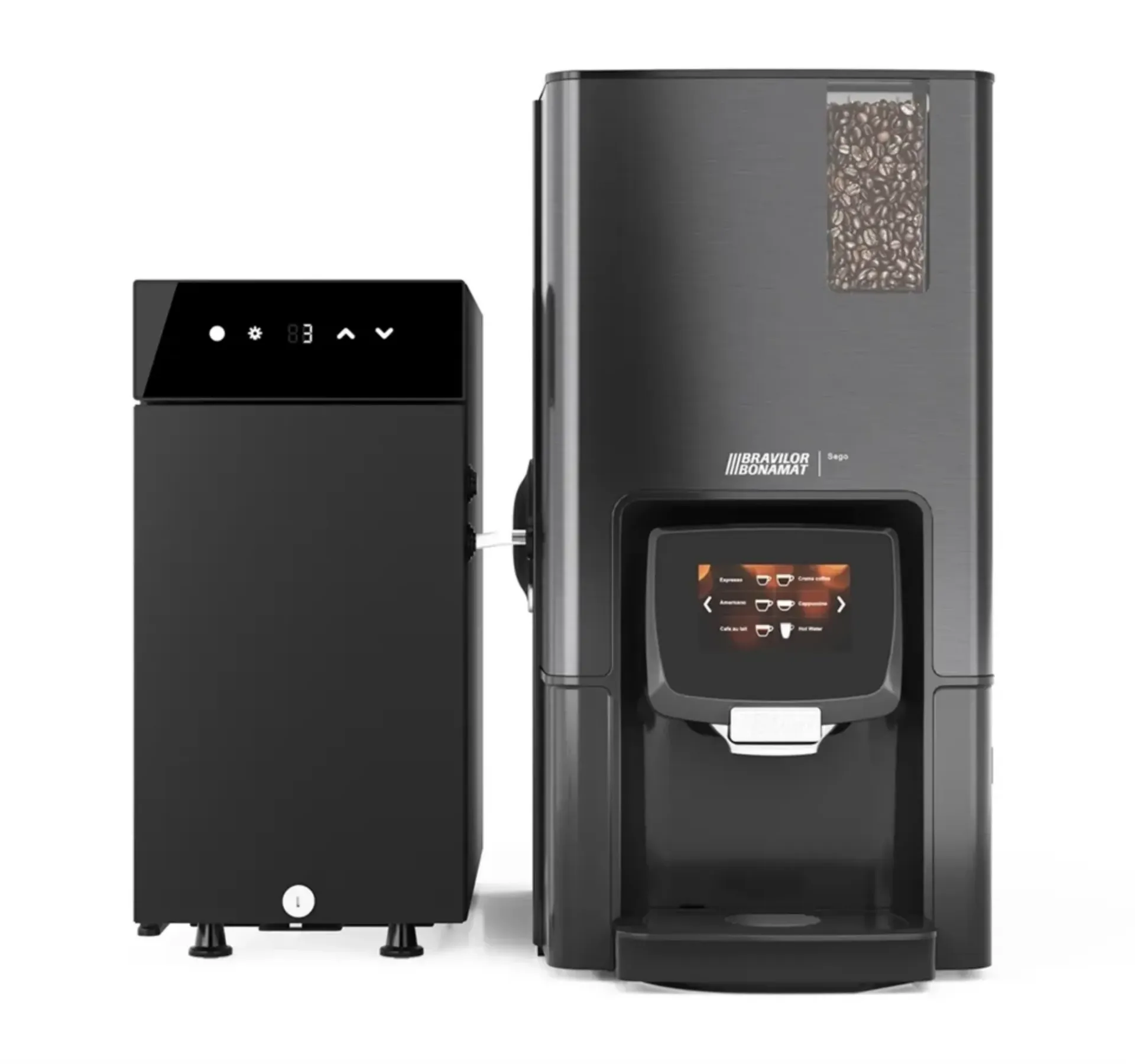
Bean to Cup Coffee Machine Buying Guide for Irish Homes
Choosing a bean to cup coffee machine matters because it decides how easily you can get café style coffee at home, every day, in an Irish kitchen.
You compare machines based on how you actually drink coffee in Ireland, whether that is espresso at the press of a button or milk based drinks like cappuccino and latte, and you weigh practical constraints like counter space, noise, and your budget. You also factor in local realities that affect performance and running costs, including water hardness and limescale, availability of filters and cleaning products, energy use on standard Irish mains power, and the kind of warranty and service support you can access from Irish retailers.
This guide helps you judge grinder quality, milk system styles, sizing, and maintenance effort, shows how the main machine types stack up, and gives you a clear process for narrowing options before you buy. You also get a checklist of 5 to 10 questions to ask a seller so you can confirm compatibility, support, and long term upkeep.
With those priorities in mind, it helps to get clear on what this guide covers and who it suits so you can move straight toward the right shortlist.
Overview of the Buying Guide
Choose a bean to cup coffee machine that matches your Irish site, your daily cup volume, and the reality of busy service. Focus on how the machine actually performs where it counts: grinding, dosing, brewing, and milk handling, along with the cleaning routine your team will stick to when it is flat out. Treat “best” as a fit-for-purpose decision rather than a brand decision, because a machine that is perfect for 40 coffees a day can be a headache at 250.
You will get clear on the practical trade-offs that shape day-to-day results, including milk system type, manual versus automated workflows, tank fill versus direct plumbing, drink menu flexibility, and what maintenance looks like in a real Irish café, deli, office, or small venue. Keep a close eye on service pressure, staffing skill level, and uptime expectations, because those are usually what decide whether a bean to cup setup feels effortless or becomes another job on the list.
What this guide helps you decide
Use this to compare the features that actually affect speed, consistency, and workload in commercial use:
- Milk systems and whether they suit your menu and cleaning discipline
- Plumbing vs tank fill and what works best for your counter layout
- Drink menu flexibility and whether you need custom recipes or simple one-touch drinks
- Throughput and workflow fit, so the machine keeps pace at peak times
If you already have a sense of capacity and style, it is worth browsing real commercial options such as Caterboss’ range of bean to cup coffee machines and matching them to your expected volume and setup constraints, because those practical limits tend to shape every other choice.
Who it’s for (and what’s next)
This is written for Irish cafés, delis, offices, and small venues that want consistent coffee with minimal barista skill, without sacrificing reliability during busy periods. It is also for operators who have learned the hard way that a great coffee menu can fall apart if the workflow, cleaning routine, and capacity are not aligned with the reality of the premises, which is exactly where the buying criteria start to matter most.
Key Considerations Before Buying
The right spec depends on how many coffees you’re putting through the machine in a typical Irish trading day, and how consistent you need the output to be across staff and shifts. In my experience, most buyers get better results when they start with their water supply, not the shiny features, because limescale and taste issues show up quickly and can shorten service intervals. Uisce Éireann is a useful reality check, but your actual results can still vary by premises, pipework, filters, and usage patterns, which is why it’s worth nailing down the basics before you compare machines.
Intended use, space, water hardness, and budget
For water, your local supply-zone results on the Uisce Éireann water quality search help you decide if you need filtration or softening before you price machines.
- Match daily cups to hopper size and waste capacity.
- Measure counter height and clearance for vents, bean access, and knock-box space.
- Set a budget that includes servicing, filters, and downtime cover, because the ongoing costs are usually what separates a “good deal” from a machine that actually works in busy service.
List of Critical Buying Factors
Buying the right bean to cup coffee machine comes down to a few make-or-break details that affect drink quality, speed of service, and downtime. For business purchases, check the written warranty and contract terms rather than assuming consumer return rules apply. What suits a small office can be completely wrong for a busy Irish counter pulling back-to-back flat whites, especially with hard water and limescale in the mix. Think in terms of service pace, cleaning time, and parts availability in Ireland so you are not stuck with a great-looking machine that cannot keep up when it matters.
What to check before you buy
- Grinder quality: prioritise consistent burr grinding and easy access for cleaning and de-chaffing.
- Milk system: auto-frothers save labour; steam wands often cope better with peak rushes and give you more control.
- Size: confirm footprint, clearance, and daily water and coffee waste capacity to match your workflow.
- Warranty and support: for a business purchase, check the written warranty, exclusions, servicing arrangements and parts availability before ordering. Do not assume a consumer returns policy applies to equipment bought for your café or office. Get the supplier’s agreed terms in writing.
Types or Options Within the Category
Fully automatic bean-to-cup machines suit most Irish workplaces because they grind, dose, brew, and often handle milk with minimal training. Manual or “assisted” bean-to-cup setups keep the grinder but rely more on the user for tamping, timing, and milk texture. Automatic wins on speed and consistency at busy moments, but you give up some hands-on control. Manual wins when you have a coffee-keen team and want to tweak flavour and crema shot by shot. Both can produce excellent coffee, so the real choice usually comes down to workflow, drink variety, and how much milk you plan to serve every day, because that is where most of the operational headaches start.
Automatic vs manual operation
This matters because it decides whether coffee stays consistent at 8am or turns into a bottleneck when the queue forms. In most Irish offices, canteens, and staff kitchens, fully automatic tends to reduce waste, reduce training time, and keep quality steady across different users, which is often the difference between a machine that gets used daily and one that becomes a fancy ornament.
Fresh-milk systems vs auto-cappuccinatore
This matters because milk handling is where hygiene and downtime usually bite, and the FSAI notes refrigerated food should be kept at 0–5°C, which affects how you store, clean, and rotate milk on-site. Fresh-milk systems can produce excellent results, but they also demand proper daily cleaning, sensible milk rotation, and a routine your team actually follows on a wet Wednesday when everyone is flat out.
Steam wand vs one-touch milk
This matters because a steam wand can deliver better microfoam, but only if staff can texture milk quickly without scorching it. One-touch milk is usually more consistent across shifts and easier to control from a hygiene point of view, which is why it tends to suit workplaces with mixed experience levels and higher staff turnover.
Which option fits your Irish setup?
This matters because your best match depends on volume, staff turnover, and whether you are serving dairy-free drinks all day or just the odd flat white. The more drinks you do and the broader the menu gets, the more important it becomes to think about cleaning time, consumables, and service support so the machine stays reliable when you need it most.
Step-by-Step Buying Process
Start by pinning down your daily cup volume, milk drinks needed, and who’ll be using the machine. Shortlist models that match your power, water, and cleaning reality, then compare the true total cost (machine, servicing, filters, consumables). Buy from an Irish supplier that can support parts and warranty quickly, because downtime is the real killer in busy service, and reliability is what protects your margins day to day.
1. Set your spec from real demand
Work from peak-hour orders, not “average day” guesses, so your grinder, boiler, and milk system won’t choke when the queue hits. That demand-led spec also makes it much easier to sanity-check what your premises can actually support.
2. Confirm power and utilities before you fall in love
In Ireland, premises power is typically 230V, as ESB Networks notes in its EMF & You guide (“In Ireland the voltage in homes is 230V”), so check whether you need single-phase or three-phase, plus water inlet and drain where relevant. If you are unsure, get a qualified electrician and your equipment supplier to confirm requirements before ordering, because power and plumbing constraints tend to decide what you can run long before brand or styling does.
3. Compare ownership costs, then place the order
Look for fast-availability parts, clear aftersales, and a realistic servicing plan that fits your operating hours. Even with unrelated kit, a detailed product page like this inset pellet boiler listing shows the kind of spec clarity you want when you are comparing equipment properly, and that same level of detail is what helps you weigh up the practical buying factors that matter before you commit.
Questions to Ask Vendors or Evaluate Before Buying
What should you ask a vendor before you buy a bean to cup coffee machine in Ireland?
Confirm your site basics (power, water, drainage, space), then interrogate support and warranty in plain language. Pin down the exact features you need for your menu and daily volume, and get all ongoing costs in writing. Agree who owns installation, training, and service call-outs so there are no surprises when you are in the middle of a weekend rush.
1. Confirm premises compatibility
Start with utilities, because most buying mistakes come from “it’ll be grand” assumptions. If you notice supply issues such as flickering lights or equipment struggling to heat properly, ESB Networks lets you request checks through their Voltage Assessment service, which is worth doing before you commit to a higher-draw machine. Once you know your site can support the kit, you can focus on the questions that protect you on service and ongoing cost.
2. Ask vendor questions (use this as your checklist)
- Will it run on our supply (plug type, amps), and do we need a qualified electrician or plumber?
- Is it tank-fed or mains-plumbed, and what filtration spec is required for Irish water in our area?
- What’s the real cups-per-hour before quality drops?
- What milk system is it (fresh milk, integrated fridge, steam wand), and what is the daily cleaning time in a busy service?
- What’s included in the warranty, and is it parts, labour, or both?
- Who provides service in our county, and what’s the typical call-out lead time?
- Are consumables (filters, cleaning tablets, milk line cleaner) standard and locally available in Ireland?
- Can you supply training and a cleaning SOP for staff?
3. Lock down support and total cost
Get a single written quote that includes delivery, install and commissioning, and any service contract, because comparing the “machine price” alone rarely reflects your real weekly spend. When the quote also spells out consumables, call-out charges, and response times, you can make a fair comparison between vendors and choose the level of backup your operation actually needs.
Frequently Asked Questions About Bean to Cup Coffee Machines in Ireland
Do I need plumbing for a bean to cup machine?
Not always. Many commercial bean to cup machines can run as tank-fed models, which suits kiosks, pop-ups, and sites where plumbing is awkward. Mains-plumbed machines tend to suit higher volume service because you are not stopping to refill, but you will need a proper water connection, suitable filtration, and usually a qualified plumber to install it correctly.
What power supply do most commercial bean to cup machines need in Ireland?
A lot of compact units will run on a standard 230V supply, but higher-output machines and models with larger boilers can demand more current than a typical socket circuit comfortably provides. Ask the vendor for the full electrical spec in writing (voltage, amperage, plug type) and confirm it with a qualified electrician, particularly in older premises where circuits might already be loaded with refrigeration, dishwashers, or hot holding.
What water filtration should you use for Irish water?
It depends on your local water hardness and the manufacturer’s requirements. In practical terms, you are aiming to reduce limescale risk, protect boilers and valves, and keep coffee tasting consistent. Ask the vendor what filtration system they specify for Ireland, what the filter change interval is, and the typical cost of replacement cartridges, because filtration is one of those “small” items that becomes a steady operating cost.
How do you estimate the right size machine for your volume?
Focus on realistic peak demand, not your quiet Tuesday average. Ask for a credible cups-per-hour figure that still maintains drink quality, and sanity-check it against your busiest 30 to 60 minutes. If you regularly serve milk drinks in a rush, pay special attention to milk system performance and recovery time, because that is where many machines feel slow in real life.
Who handles servicing and warranty support in Ireland?
This varies by brand and supplier. Some suppliers coordinate everything for you, while others direct you to a manufacturer service agent. Before you buy, confirm who the service provider is for your county, typical lead times, what is covered under warranty (parts, labour, call-out), and what happens if the machine goes down during trading hours, because that is when support quality really shows.
Get the Right Bean to Cup Machine for Your Site
Choose a bean to cup machine the same way you would choose a chef. It needs to handle pressure, deliver consistency, and be supported when things go wrong. Browse Caterboss’s range of trade grade options on the Bean To Cup Coffee Machines category page and, if you want a second opinion on sizing, plumbing, filtration, and support cover for your county, contact the Caterboss team for practical trade advice before you commit.
Frequently Asked Questions
The answer varies depending on your volume, staff skill, and how consistent you need drinks to be. In our experience fitting out Irish cafés, the biggest surprise cost often is not the machine itself. It is downtime when cleaning slips or limescale builds. The right choice usually comes down to water treatment, easy service access, and whether you want one touch drinks or full barista control, which is where spec sheets start to matter.
Do I need a water filter in Ireland?
You should plan for it. Uisce Éireann notes hard water is a natural characteristic of much of Ireland’s drinking water supply, and limescale can choke boilers, heating elements, and valves over time. Even in softer water areas, a basic filtration and scale management setup is often worth it for consistent taste, fewer breakdowns, and predictable servicing.
What daily cleaning should I expect?
Daily care matters because it protects taste and prevents call-outs, especially in busy service where milk residue and coffee oils build quickly.
- Empty the dregs tray and drip tray, then rinse and wipe
- Rinse, clean, and refit the brew unit as per the manufacturer instructions
- Purge and wipe steam wands after each use
- Purge and rinse milk lines after every service burst, then run the full milk clean cycle at close
- Wipe down group areas, hoppers, and touch points so the machine starts clean the following morning
Keeping that routine tight also makes it much easier to spot early warning signs like slow flow, temperature swings, or unusual noises before they turn into a lost morning’s trade.
Frequently Asked Questions About Commercial Coffee Machines in Ireland
How do I choose between a bean to cup machine and a traditional espresso machine?
It comes down to speed, staff skill, and the style of coffee you want to serve. A bean to cup machine suits sites that need fast output with consistent results and minimal training, like busy cafés with mixed staffing or deli counters. A traditional espresso machine and grinder suit places where you want more control over recipe, flavour, and milk texture, and you have someone who can dial in the grinder and keep quality steady during rushes. The real deciding factor is often whether you can reliably manage grind adjustment, shot timing, and milk handling every day.
What water treatment do I need for a coffee machine in Ireland?
In many parts of Ireland, you should assume you will need some form of filtration and scale protection because hardness varies and limescale is a common cause of breakdowns. A filter can protect boilers, valves, and sensors, and it also helps with taste consistency. Uisce Éireann’s guidance on hard water is a good starting point, but the right setup depends on your local supply and the machine type, so it is worth confirming requirements with your supplier and service partner.
How often does a commercial coffee machine need servicing?
Most commercial machines need regular preventative servicing, with frequency depending on volume and water quality. High volume sites may need more frequent checks for seals, group components, grinders, and milk systems, while lower volume sites might run longer between visits. Following the manufacturer’s service schedule matters for reliability and warranty compliance, and good water treatment typically reduces both call-outs and parts wear.
Can I install a commercial coffee machine anywhere in my café?
Not always. You need to think about power supply, counter space, ventilation clearances, water in and waste out, and safe workflow behind the counter. Some machines need plumbing and a waste connection, while others can run with internal tanks but still need careful emptying and hygiene control. A quick site check avoids buying a machine that does not suit your layout or utilities, which is why matching the machine to your actual service setup tends to save money.
What running costs should I budget for besides the machine price?
Plan for coffee, milk, cups and lids, cleaning chemicals, water filtration, grinder burrs, servicing, and the cost of downtime if something fails midweek. In Irish cafés, limescale and milk system hygiene are two of the most common cost drivers because they affect reliability and taste. When you price it properly, you tend to see that the cheapest machine is not always the cheapest to operate.
Are finance options available for commercial coffee machines in Ireland?
Yes, finance is commonly used for trade grade equipment because it protects cash flow, especially for start-ups and expanding sites. Caterboss offers flexible finance options for eligible businesses, including the 60/40 plan and 100% equipment finance, subject to approval and partner terms. If you are comparing options, it helps to match repayments to your trading pattern so the machine pays its way without squeezing working capital.
Get the Right Commercial Coffee Machine for Your Café
Pick a machine that matches your daily volume, your staff skill level, and your water conditions, and you avoid the usual headaches that hit when service is flying. If you want a practical recommendation based on your menu and setup, talk to Caterboss for straight advice, trade grade options, delivery across Ireland, and flexible finance for eligible businesses subject to approval and partner terms. Browse Caterboss categories like Beverage Machines and apply through the finance options when you are ready to price it properly and move forward with confidence.
Summary and Next Steps
Experts generally agree that the best commercial bean-to-cup coffee machine is the one that matches your daily volume, your menu, and the skill level on shift. In practice, most Irish cafés I’ve seen run into trouble when the machine is undersized for peak periods, or when cleaning gets skipped because it is awkward to access. Your choice can also vary based on local water hardness, power supply, and whether you need a fresh milk setup or a powdered milk system for speed and consistency. Getting those basics right makes it far easier to choose a model that will stay reliable in busy service.
What to do before you order
- Measure peak cups per hour, not the average across the day.
- Confirm your water filtration plan and your service cover, especially if you are in a hard-water area.
- Shortlist 2 to 3 trade-grade models and compare cleaning time per day, not just drink options and headline specs, because upkeep is what tends to decide long-term reliability.
Frequently Asked Questions About Commercial Bean-to-Cup Coffee Machines in Ireland
How do I size a bean-to-cup machine for a café in Ireland?
Size it around your busiest 30 to 60 minutes, not your daily total. A machine that looks fine on paper can struggle when you get a rush, leading to slow output, weak coffee, and queues. A practical approach is to estimate peak cups per hour, factor in your mix of milk drinks versus black coffee, and allow headroom for staff changeovers and cleaning cycles, because that is where output usually drops.
Do I need a water filter for a bean-to-cup machine in Ireland?
In most cases, yes. Many areas in Ireland have hard water, and limescale is one of the quickest ways to shorten the life of boilers, valves, and sensors, as well as affecting taste. A suitable filter also helps protect warranty conditions in some manufacturer terms, so it is worth confirming requirements before you buy and budgeting for cartridge changes as part of running costs.
Fresh milk or powdered milk: which is better for Irish cafés?
Fresh milk gives the best perceived quality for flat whites, lattes, and cappuccinos, but it adds fridge space needs, more frequent cleaning, and tighter staff discipline. Powdered systems can suit high-volume self-service or sites where consistency matters more than latte art, and they can reduce milk handling, but you still need a machine that is designed for commercial use and a cleaning routine that does not get skipped when it is busy.
What power supply do commercial bean-to-cup machines need in Ireland?
It depends on the model and output, but many commercial bean-to-cup machines run on standard single-phase power, while higher-capacity units can require higher electrical loads. What matters is confirming the machine’s electrical specification against what is available on site before ordering, because upgrading a circuit at short notice is a common and avoidable delay. For anything beyond plug-and-play, use a qualified electrician and follow Irish electrical requirements.
How much daily cleaning is realistic in a busy café?
The realistic target is whatever your team will actually do every day without cutting corners. Machines with awkward milk lines or hard-to-reach brew units tend to get neglected during peak service, and performance drops fast when cleaning slips. When comparing models, look closely at milk system rinse prompts, removable parts, and how long a full clean takes in real time, because that is where reliability and drink quality are won or lost.
Choose a Trade-Grade Bean-to-Cup Machine That Holds Up in Busy Service
If you are fitting out a café, deli, hotel, or self-service coffee point in Ireland, it is worth matching the machine to your peak cups per hour, your milk setup, and your water conditions before you commit. Caterboss can help you shortlist trade-grade options, talk through water filtration and day-to-day cleaning realities, and support you with delivery and after-sales backup, with flexible finance options available subject to approval and partner terms. Browse Beverage Machines or review Flexible Finance Options to take the pressure out of choosing and paying for the right setup.
Bean to Cup Coffee Machine FAQs
What is a bean to cup coffee machine?
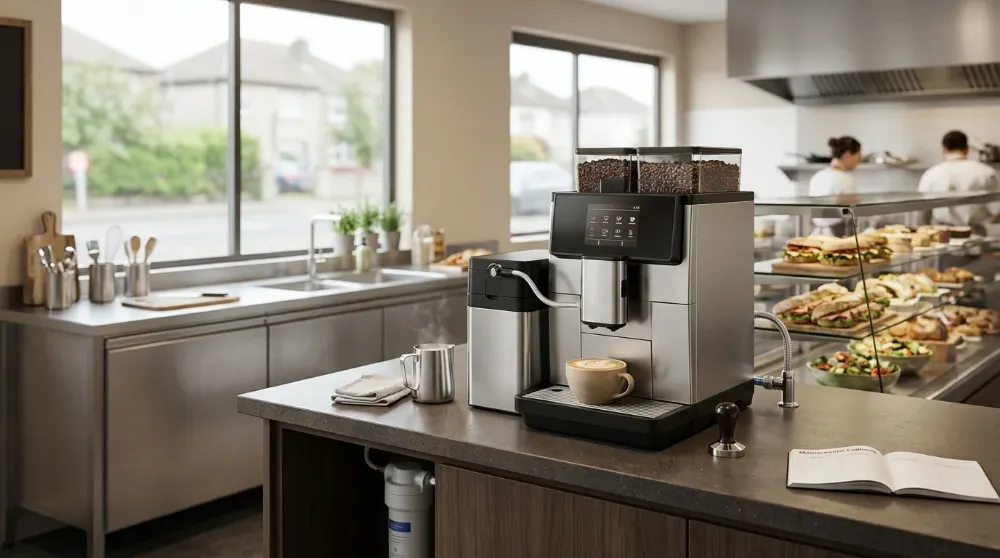
A bean to cup coffee machine is an all in one coffee maker that grinds whole beans, doses the coffee, brews it under pressure, and dispenses a finished drink at the touch of a button. Most models let you adjust strength, grind level, drink size, and temperature, so you can get everything from espresso to lungo without separate grinders or tamping.
How does a bean to cup coffee machine differ from a pod or filter coffee machine?
Bean to cup machines grind fresh beans for every cup and brew under pressure, which typically gives more aroma and crema than pods or filter coffee. Pod machines trade flavour flexibility for speed and consistency, and they lock you into specific capsule types and ongoing pod costs. Filter machines are great for larger volumes of black coffee, but they do not produce espresso style drinks and you usually need a separate solution if you want cappuccinos or lattes.
Which bean to cup coffee machine is best for milk-based drinks like cappuccino and latte?
For cappuccinos, lattes, and flat whites, the best choice is usually a machine with an automatic milk system, such as a milk carafe or hose that can foam milk at the press of a button. Look for:
- Adjustable milk foam and temperature controls, so you can tailor texture for cappuccino foam or smoother latte milk.
- Easy milk cleaning programmes and removable milk parts, because milk residue builds quickly.
- Stable brewing temperature (good thermoblock design or dual heating systems), which helps when you are pulling coffee and steaming milk back to back.
If you enjoy more hands on control, a manual steam wand can also be a strong option, but it takes practice to get consistent microfoam.
How easy are bean to cup machines to clean and maintain?
Most modern bean to cup machines are designed for simple day to day upkeep, but they still need routine cleaning to keep flavours right and avoid faults.
Typical maintenance includes:
- Daily or regular emptying of the drip tray and used grounds container.
- Milk system rinsing after milk drinks, plus deeper cleaning with the manufacturer’s cleaner as recommended.
- Brew unit cleaning (some machines have a removable brew group you can rinse under the tap).
- Descaling based on your local water hardness, since Irish supplies can vary by area.
In Ireland, water hardness is often grouped as slightly hard at 101 to 150 mg/L CaCO3 and moderately hard at 151 to 250 mg/L CaCO3, which is a useful guide for how quickly limescale can build up in coffee equipment and kettles (Meath County Council’s drinking water FAQ).
What features matter most for Irish coffee habits?
For most Irish homes, the features that tend to make the biggest difference are the ones that suit busy mornings, smaller kitchens, and local water conditions.
Prioritise:
- A quality grinder with multiple settings, so you can fine tune strength and bitterness across different roasts.
- Milk convenience, especially one touch milk drinks or an easy to clean steam wand if cappuccinos and lattes are a daily habit.
- Water filtration options (built in filter compatibility or clear prompts for descaling), because limescale can be a real performance issue.
- Practical capacity, including bean hopper size and water tank size that match how many cups your household makes.
- Simple controls and user profiles, useful if different people like different strengths.
- Standard plug and footprint, checking it suits a typical Irish countertop and fits comfortably under wall cabinets.
When you know which features match your routine, it becomes much easier to spot the machines that are genuinely worth considering, and to keep an eye out for the best value deals.
Get Expert Picks and Irish Deals in Your Inbox
Subscribe to our newsletter for the latest expert guides and exclusive offers on top rated kitchen equipment in Ireland.
If you are ready to compare what is available right now, browse our bean to cup coffee machines and shortlist models that match your drink choices, space, and maintenance comfort level.