

If the appliance is not working because the unit is not switched on, check that it is plugged in correctly and switched on to begin troubleshooting.
Applies to
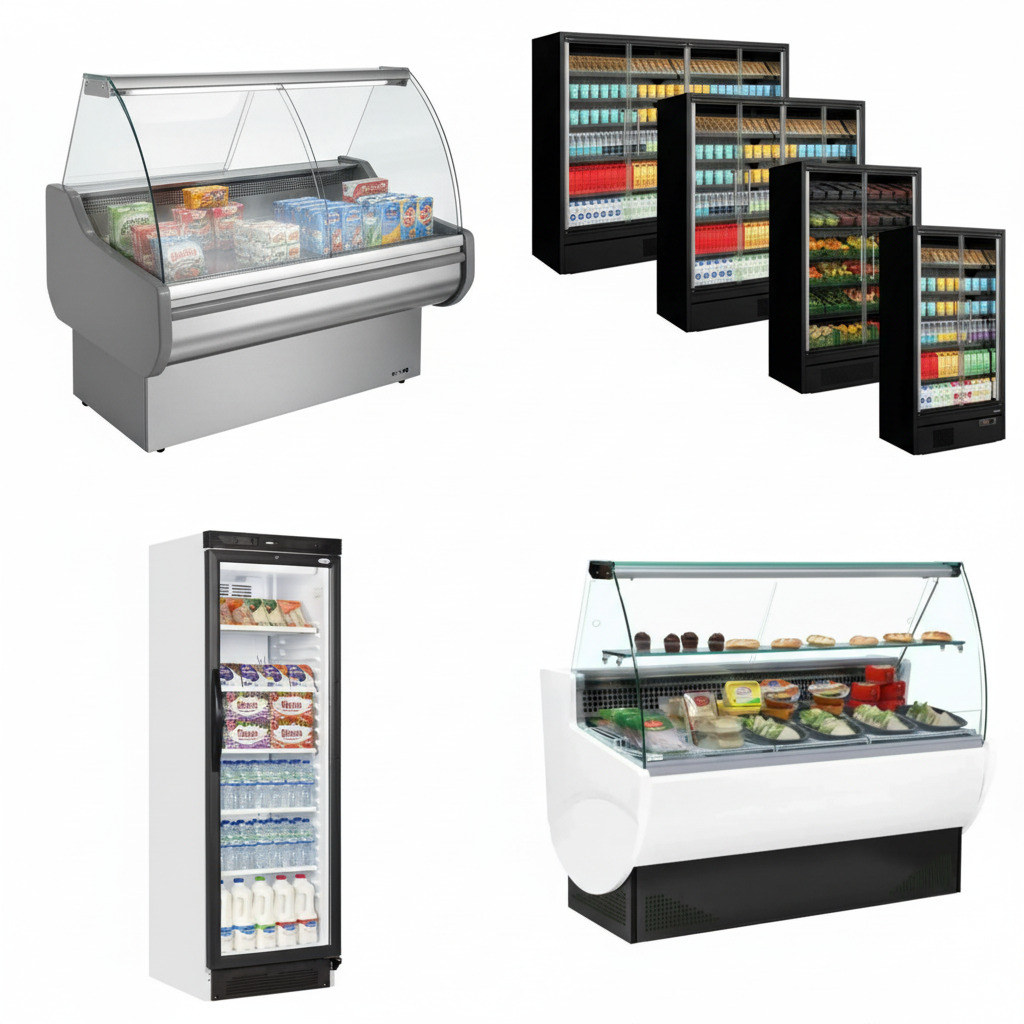
If the Unifrost PCF910 appliance is not working because the unit is not switched on, check that it is plugged in correctly and switched on.
Before you start
- Check that the unit is plugged in correctly if the appliance is not working because the unit is not switched on.
Safety warnings
- Call your agent or a qualified technician if the appliance is not working because the plug and lead are damaged.
- Call your agent or a qualified technician if the appliance is not working due to an internal wiring fault.
- Call your agent or a qualified technician if the temperature is too high or low because the condenser is blocked with dust.
- Call your agent or a qualified technician if the appliance is leaking water because the water container is damaged.
Troubleshooting Power Failures When the Appliance Is Not Working
Operators may encounter a situation where the appliance is not working because the unit is not switched on.
Another potential reason the appliance is not working is that the power supply is turned off.
The appliance will also stop working if the fuse in the plug has blown.
You must call your agent or a qualified technician if the appliance is not working because the plug and lead are damaged.
You must also call your agent or a qualified technician if the appliance is not working due to an internal wiring fault.
- Check that the unit is plugged in correctly if the appliance is not working because the unit is not switched on.
- Check that the unit is switched on if the appliance is not working because the unit is not switched on.
- Check the power supply circuit breaker if the appliance is not working because the power supply is turned off.
- Replace the fuse if the appliance is not working because the fuse in the plug has blown.
Resolving High or Low Temperature Faults
You may observe that the appliance turns on, but the temperature is too high or too low because there is too much ice on the evaporator.
The temperature might also be too high or too low because the doors are not shut properly.
Storing unsuitable foodstuffs in the appliance can cause the temperature to be too high or too low.
The temperature will be too high or too low if the appliance is overloaded.
An ambient temperature that is too high can cause the appliance temperature to be too high or too low.
The temperature can be too high or too low if the appliance is located near a heat source.
The temperature will also be incorrect if the air flow to the condenser is being interrupted.
You must call your agent or a qualified technician if the temperature is too high or too low because the condenser is blocked with dust.
- Defrost the appliance if the temperature is too high or too low because there is too much ice on the evaporator.
- Check that the doors are shut if the temperature is too high or too low because the doors are not shut properly.
- Check that the seals are not damaged if the temperature is too high or too low because the doors are not shut properly.
- Remove any excessive hot foodstuffs if the temperature is too high or too low because unsuitable foodstuffs are being stored in the appliance.
- Remove any blockages to the fan if the temperature is too high or too low because unsuitable foodstuffs are being stored in the appliance.
- Reduce the amount of food stored in the appliance if the temperature is too high or too low because the appliance is overloaded.
- Increase ventilation if the temperature is too high or too low because the ambient temperature is too high.
- Move the appliance to a cooler position if the temperature is too high or too low because the ambient temperature is too high.
- Move the refrigerator to a more suitable location if the temperature is too high or too low because the appliance is located near a heat source.
- Move the refrigerator to a more suitable location if the temperature is too high or too low because the air flow to the condenser is being interrupted.
Fixing Water Leaks from the Appliance
Operators might discover that the appliance is leaking water because it is not properly levelled.
The appliance will also leak water if the discharge pipe is blocked.
You may experience a water leak if the flow of water to the drain is obstructed.
The appliance can leak water if the drip tray is overflowing.
You must call your agent or a qualified technician if the appliance is leaking water because the water container is damaged.
- Adjust the feet to level the appliance, if applicable, when the appliance is leaking water because it is not properly levelled.
- Clear the pipe if the appliance is leaking water because the discharge pipe is blocked.
- Clear the floor of the appliance, if applicable, if the appliance is leaking water because the flow of water to the drain is obstructed.
- Empty the drip tray, if applicable, if the appliance is leaking water because the drip tray is overflowing.
Addressing Unusually Loud Appliance Noises
You might notice that the appliance is unusually loud due to a loose nut or screw.
A faulty fan can also cause the appliance to be unusually loud.
The appliance will be unusually loud if it has not been installed in a level or stable position.
- Check and tighten all nuts and screws if the appliance is unusually loud due to a loose nut or screw.
- Check the fans if the appliance is unusually loud because a fan is faulty.
- Check the installation position if the appliance is unusually loud because it has not been installed in a level or stable position.
- Change the installation position if necessary to ensure the appliance is level and stable.
Stop and get help if
- Stop and call your agent or a qualified technician if the appliance is not working because the plug and lead are damaged.
- Stop and call your agent or a qualified technician if the appliance is not working due to an internal wiring fault.
- Stop and call your agent or a qualified technician if the temperature is too high or low because the condenser is blocked with dust.
- Stop and call your agent or a qualified technician if the appliance is leaking water because the water container is damaged.
When to call an engineer
- You must call your agent or a qualified technician if the appliance is not working because the plug and lead are damaged.
- You must call your agent or a qualified technician if the appliance is not working due to an internal wiring fault.
- You must call your agent or a qualified technician if the temperature is too high or low because the condenser is blocked with dust.
- You must call your agent or a qualified technician if the appliance is leaking water because the water container is damaged.