


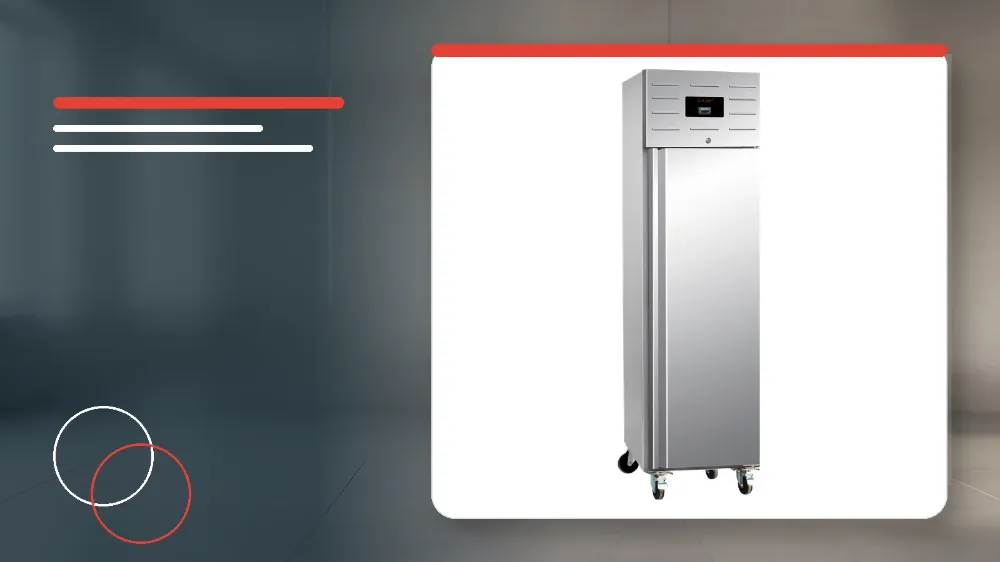
To maintain the Tefcold GUF50 freezer correctly, clean the interior and exterior cabinet using a soft cloth dampened with lukewarm water and mild soap, whilst strictly avoiding harsh abrasives, chlorine, or water contact near electrical parts, and clean the top-mounted condenser monthly from above using a foot stool with a vacuum cleaner or soft brush.
Applies to
This maintenance guide applies specifically to the Tefcold GUF50 slim stainless-steel commercial gastro freezer.
Before you start
- Trained catering operators should ensure that the cabinet is completely cleaned prior to putting the freezer into first operational use.
- Operators must prepare a soft cleaning cloth alongside a cleaning solution consisting exclusively of lukewarm water combined with mild soap.
- A sturdy foot stool along with a soft brush or vacuum cleaner must be arranged beforehand to allow safe access to the top condenser area.
- Kitchen personnel must ensure that no aggressive cleaning chemicals, abrasive compounds, scouring pads, or chlorinated solutions are brought into the work area.
Safety warnings
- Never apply or splash water at or anywhere near the electrical components of the freezer during any cleaning routine.
- Be aware that the machine compartment of the cooler contains sharp, moving, and hot components during operation.
- Do not use aggressive cleaning agents, scouring pads, abrasive powders, or chlorine formulations on any part of the stainless-steel cabinet.
- In the event of any operational malfunction during cleaning or maintenance routines, immediately contact your equipment dealer.
Cabinet Cleaning and Surface Sanitisation
Thorough cleaning of the Tefcold GUF50 cabinet is strongly recommended prior to initial start-up and on a regular routine schedule within the commercial kitchen.
All surfaces of the cabinet must be wiped down thoroughly using a soft cloth to preserve the finish and integrity of the appliance.
Cleaning solution must be limited strictly to clean, lukewarm water mixed with a mild soap formulation.
Under no circumstances should catering staff use abrasive scouring pads, harsh mechanical scrubbing tools, or chlorine-based sanitising agents on the cabinet body.
Staff must exercise caution to ensure that moisture and liquid wash water never contact electrical components during washing or wiping.
- Prepare a cleaning solution composed of lukewarm water and mild soap in a clean bucket.
- Dip a dedicated soft cloth into the mild soapy lukewarm solution and wring out any excessive moisture thoroughly.
- Wipe the interior and exterior surfaces of the cabinet carefully using the damp soft cloth.
- Keep all damp cleaning materials strictly away from all electrical switches, controls, wiring, and associated electrical components.
- Avoid using any abrasive cleaners, scouring pads, or chlorine bleaches across all internal and external cabinet panels.
Monthly Condenser and Filter Maintenance
The condenser unit on the Tefcold GUF50 freezer must be cleaned thoroughly every month to maintain proper performance and heat transfer.
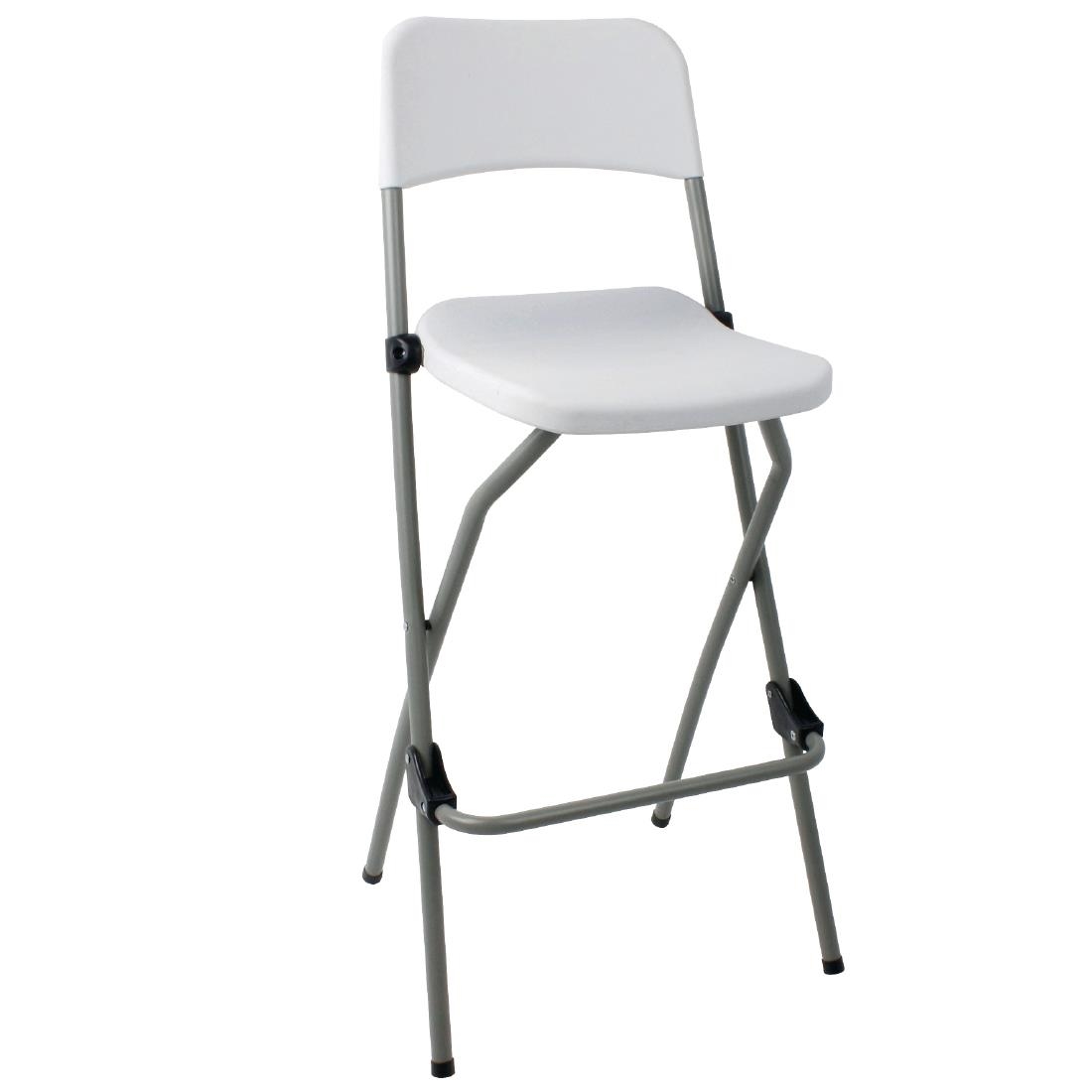
Because the condenser assembly is positioned overhead, operators must safely position a foot stool to gain access to the component from above.
Accumulated dust, lint, and dry kitchen debris must be gently extracted from the condenser using either a vacuum cleaner or a soft brush.
If necessary, operators are authorised to unscrew and remove the plate holding the filter to facilitate thorough cleaning of the filter assembly.
Operators working around the overhead machine housing must exercise extreme care regarding the hot, sharp, and moving components contained within that section.
- Position a secure, stable foot stool adjacent to the freezer cabinet to establish safe operator access from above.
- Access the top-mounted refrigeration condenser assembly from above using the foot stool.
- Clear the condenser surface every month using a vacuum cleaner or a soft bristle brush.
- If necessary, remove and unscrew the plate holding the filter in place to clean the filter thoroughly.
- Ensure that hands and tools avoid direct contact with any hot surfaces, moving components, or sharp sheet edges within the machine area.
Cleaning Chemical Restrictions and Machine Compartment Safety
Maintaining commercial refrigeration equipment requires strict adherence to authorised cleaning chemicals and safety precautions.
Using aggressive cleaning agents such as scouring pads, abrasive scrubbing powders, or chlorine creates surface degradation on the equipment.
The machine part of the cooler can contain sharp, moving, and hot components that present hazards to inattentive kitchen staff.
Water must never be directed towards, sprayed on, or allowed to settle near electrical components during any stage of sanitation.
Whenever any malfunction arises during routine cleaning or monthly maintenance procedures, the operator must immediately contact the equipment dealer.
- Inspect all cleaning agents prior to application to verify that no chlorine, abrasive elements, or scouring pads are present.
- Clean all washable cabinet surfaces exclusively with a soft cloth dampened in lukewarm water and mild soap.
- Observe complete clearance from electrical components to prevent any water intrusion during cleaning.
- Perform monthly condenser cleaning using a vacuum cleaner or soft brush from a secure foot stool while monitoring for sharp, hot, or moving parts.
- Immediately halt work and contact the authorised dealer if any operational defect or malfunction is detected.
Stop and get help if
- Immediately cease all cleaning or maintenance activities and contact your dealer if any equipment malfunction occurs.
- Stop immediately if water threatens to breach or contact any electrical parts or wiring assemblies.
When to call an engineer
- Contact your authorised equipment dealer immediately in case of any equipment malfunctions.
- Escalate immediately to your dealer whenever machine compartment components require service beyond user-accessible filter plate removal and monthly brush or vacuum cleaning.