





Buying Commercial Weighing Scales in Ireland
Buying commercial weighing scales in Ireland matters because accurate weights protect your margins and keep you compliant when you sell by weight.
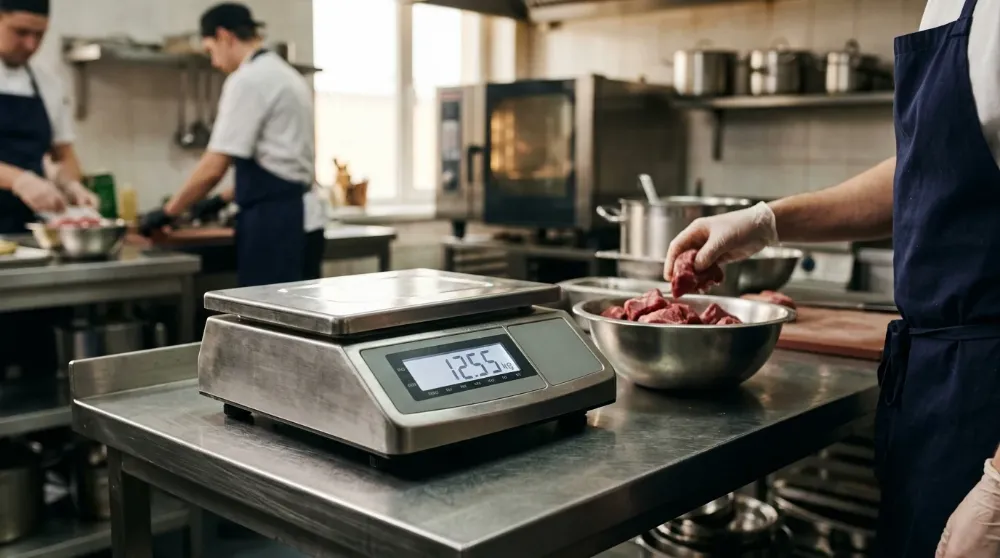
You choose between bench, floor, platform, and weighbridge options based on what you weigh, where you weigh it, and how often, from portioning ingredients in a busy kitchen to checking parcels in a dispatch area. You also need the right approvals when the scale is used for trade, including verification under Ireland’s legal metrology rules, and the build quality to match real conditions such as damp food-prep spaces or washdown zones where an IP65-rated scale can make day-to-day cleaning less risky. Practical buying decisions come down to capacity and readability, connectivity to POS or stock systems, calibration and servicing availability in Ireland, and the tradeoffs between upfront price, durability, and ongoing support.
With those priorities in mind, you can map out what the guide helps you decide and avoid costly mistakes before you commit to a model or supplier.
Overview of the Buying Guide
Buying the wrong commercial weighing scale costs you twice: once at the till, then again in rejects, rework, and customer disputes when weights do not line up. In Ireland, the National Standards Authority of Ireland is a useful reference point because its Legal Metrology team focuses on accuracy and fairness where weight is used for trade, which is exactly where kitchens, delis, butchers, food producers, and dispatch areas can get caught out. What you need comes down to how you use weight day to day (counter sales, portioning, batching, goods-in, dispatch) and whether the weight displayed or printed directly affects the price a customer pays, which is where compliance starts to matter.
Irish compliance: what “legal for trade” really means
In Ireland, scales used to sell by weight must be suitable for use in trade and fall under legal metrology oversight. NSAI outlines this under its role in Legal Metrology for measuring instruments used in trade, and it is worth treating this as your baseline if you are charging customers based on a displayed or printed weight. Once you are clear on whether your use is trade-facing or internal-only, the rest of the choice becomes a practical spec-matching exercise.
What you’ll learn in this guide
- Capacity and readability (g vs kg) matched to your typical portions
- Platform size, washdown/IP rating, and stainless build for busy prep areas
- Calibration, verification, and paperwork to stay audit-ready, especially when you need to prove accuracy under inspection and day-to-day service pressure
Frequently Asked Questions About Commercial Weighing Scales in Ireland
Do I need a “legal for trade” scale in Ireland?
You generally need a trade-approved scale if you are selling goods by weight and the weight determines the price charged, whether on a counter display, a label, or a receipt. In Ireland, legal metrology oversight sits with NSAI, and their overview of requirements for measuring instruments used in trade is a solid starting point: NSAI Legal Metrology. If you are only weighing ingredients for internal recipes and no customer price is calculated from that weight, you may not need a trade-approved model, but you still want a robust scale that holds accuracy in a hot, wet, busy kitchen.
What is the difference between calibration, verification, and certification?
Calibration is the process of checking and adjusting accuracy against known test weights, usually to keep a scale performing correctly over time. Verification is the legal metrology step that confirms the instrument meets required standards for use in trade, which is the part that matters when you are selling by weight. “Certification” is often used loosely in the market, so it is worth asking the supplier exactly what paperwork is included and whether the scale is suitable for trade use in Ireland, then keeping those records on file for audits and inspections.
What capacity and readability should I choose for a commercial kitchen?
Capacity is the maximum weight the scale can take, and readability is the smallest increment it displays, such as 1 g, 2 g, or 0.01 kg. In simple terms, your capacity needs to comfortably cover your heaviest typical use, while readability needs to suit your smallest portioning tasks without forcing you to guess or round. A deli portioning scale might prioritise fine gram increments for small servings, while a dispatch bench scale might prioritise a higher maximum capacity for boxes and crates, and that tradeoff usually dictates the right unit.
What platform size do I need?
Choose a platform that physically supports what you are weighing without items overhanging too much, because overhang can make weighing awkward and slower during service. Small platform scales suit portioning and small containers; larger platforms suit gastronorms, bulk ingredients, and packed goods for dispatch. Once you know the containers and tray sizes you actually use in your operation, platform selection becomes far more straightforward.
Should I choose stainless steel and a washdown (IP-rated) scale?
In most Irish commercial kitchens, stainless steel construction is a safer bet because it holds up better to daily cleaning, knocks, and damp conditions. If the scale is going to live in prep areas where it regularly sees splashes or frequent wipe-downs, an IP-rated washdown model can reduce downtime and extend lifespan. The key is matching the protection level to the reality of your kitchen, because a “clean room” spec is overkill for some sites and still not enough for others.
How often should a commercial scale be checked?
It depends on usage, environment, and the consequences of errors, but busy service, wet prep areas, and frequent moving of the scale can all increase the need for checks. Many operators build a simple routine around regular spot checks using appropriate test weights and logging results, then arranging calibration when readings drift or after knocks and repairs. Where a scale is used for trade, keeping your records tidy is part of staying inspection-ready, not just a technical nicety.
Can I just buy a cheap scale online and use it for trade?
That is where many businesses get caught. A low-cost scale might be fine for internal portioning, but it may not be suitable for use in trade in Ireland, and you can end up with compliance and customer dispute problems if the displayed or printed weight is used for pricing. If you are unsure, treat “legal for trade” suitability and documentation as non-negotiable, then work back from capacity, readability, and durability.
Get the Right Commercial Weighing Scale for Your Kitchen or Food Business
Choose a scale that matches how you actually work, whether that is portion control on the pass, batching in production, or weighing packed goods for dispatch, and make sure “legal for trade” is covered when weight sets the price. Browse Caterboss for trade-grade weighing scales and related smallwares, or contact the Irish team for practical advice on capacity, readability, platform size, and washdown protection, with flexible finance options available subject to approval and partner terms. Start by outlining your heaviest typical item, your smallest portion size, and where the scale will sit in the kitchen, and you will get to a confident spec quickly.
Key Considerations Before Buying
You need to buy the right commercial scale because small spec mistakes quickly turn into pricing disputes, failed audits, or slowdowns on the line. Legal-for-trade compliance matters in Ireland when you’re selling by weight, because the instrument must meet legal metrology rules and be properly verified. The catch is that “best” depends on your sector, throughput, and where the scale physically lives, whether that is steam, cold rooms, or loading bays, and those day-to-day conditions tend to decide what will actually last.
Why legal-for-trade status changes the shortlist
If you charge customers by weight, your scale should align with Irish legal metrology requirements, and NSAI explains the framework under the Non-automatic Weighing Instruments directive. That is what keeps your pricing defensible in retail counters, delis, and weigh-and-pay setups, and it also helps you stand over readings if a customer query or inspection ever comes up.
How usage and environment should steer the spec
Busy prep kitchens usually prioritise fast stabilisation and washdown protection, while logistics tends to need higher capacities and tougher platforms. It helps to start with the practical range in the commercial weighing scales category, then match readability, footprint, and IP-rated protection to your actual work area, because the right spec on paper only matters if the scale performs consistently in the spot you plan to use it.
Frequently Asked Questions About Commercial Weighing Scales in Ireland
Do I need a legal-for-trade scale in Ireland?
You need a legal-for-trade scale when you sell goods by weight and the price is based on the weight shown on the scale. In Ireland, this sits under legal metrology rules and the NAWI framework as outlined by NSAI, so you are looking for a compliant instrument and proper verification for trade use. If the weighing is only for internal portion control and you are not charging by the displayed weight, legal-for-trade is usually not required, but accuracy and durability still matter for consistency and waste control.
What does “verified for trade” actually mean?
Verified for trade means the scale has been assessed and sealed or marked in line with legal metrology requirements for trading transactions, so the reading is accepted as the basis for charging customers. In practical terms, it helps protect you from disputes and supports compliance during inspections, especially in retail food counters and weigh-and-pay environments. If you need to find the right route for verification in Ireland, NSAI also publishes information on verification and authorised verifiers through its legal metrology pages, including Find an Authorised Verifier.
What specification matters most for a busy kitchen scale?
Stabilisation speed, readability, and cleanability tend to matter more than fancy features in a working prep area. A stable reading stops staff waiting around mid-prep, and clear graduations help reduce portioning errors. If the scale will see regular wipe-downs or splashes, you are usually better off choosing a model with suitable ingress protection and a build that stands up to daily cleaning routines, because moisture and cleaning chemicals are what often finish off lightweight units.
What should I look for in a scale for a cold room or loading bay?
Cold rooms and loading bays bring condensation, temperature swings, and rougher handling, so platform strength and protection against moisture become the priority. Higher capacities are common for goods-in and dispatch, and a stable platform that does not flex under load makes day-to-day weighing more reliable. It is also worth thinking about where the display sits and how easy it is to read when you are moving stock quickly, because visibility is often the hidden productivity killer in those areas.
Can I use any scale for HACCP records and food production checks?
You can use many non-trade scales for HACCP and production records, as long as the readings are consistent and the unit is suitable for the environment you are using it in. The key is matching the scale to how you work, keeping it clean, and checking it regularly so your process controls are dependable. Where you are selling by weight, you should step up to a legal-for-trade instrument, because your HACCP paperwork is one thing and charging customers accurately is another.
Choose a Commercial Weighing Scale That Holds Up in Real Service
If you are weighing ingredients all day, pricing by weight, or moving stock in and out at pace, it is worth choosing a scale that matches your environment and your compliance needs from the start. Browse Caterboss’s commercial weighing scales range and, if you want a quick second opinion on capacity, readability, or legal-for-trade suitability, contact the Caterboss team for practical trade advice and support that fits how Irish kitchens actually run.
Types of Commercial Weighing Scales
Commercial weighing scales are trade-grade devices used to measure product weight accurately for portioning, stock control, pricing, and dispatch. You choose them by matching platform size, maximum capacity, and how often the scale needs to be moved. The “right” type depends on what you’re weighing and whether loads arrive by hand, trolley, or pallet, and that decision usually starts with the physical format of the scale.
Bench, floor, platform, and weighbridge: what suits what
- Bench scales: compact, portable, low-to-mid capacity for prep, ingredients, and small packs.
- Floor/platform scales: larger decks for crates, sacks, and pallet trucks; higher capacities, less portable.
- Weighbridges: fixed systems for vehicles and bulk intake/outbound.
Why legal-for-trade matters in Ireland
If you’re selling by weight, you’ll want equipment that is legal for trade and aligned with the requirements for non-automatic weighing instruments under Directive 2014/31/EU, as referenced by the National Standards Authority of Ireland. This affects day-to-day compliance, inspections, and how confidently you can stand over weights on labels, invoices, and at the counter, which is where accuracy and repeatability start to matter just as much as capacity.
Step-by-Step Buying Process
Pick the right scale by matching capacity and readability to what you actually weigh, then shortlist models that suit your wash-down routine and where the scale will live day to day. Confirm any trade-use requirements before you get too deep into brands, then compare warranties, calibration options, and delivery lead times. Stress-test the paperwork (spec sheet, IP rating, approvals) before you pay, because returns, compliance issues, and downtime cost more than the scale, especially in a busy Irish kitchen.
1. Define your weighing job
Start by writing down your max load, the smallest increment you need, and whether you’re portioning, batching, or selling by weight. It’s worth noting if you’re weighing wet ingredients, hot product, or anything that tends to spill, because that quickly narrows the field to more robust trade-grade options.
2. Check compliance and protection
If it’s used for trade, confirm it aligns with what NSAI Legal Metrology certifies and inspects for weighing and measuring instruments used by traders in Ireland, and choose an IP rating that matches your cleaning. Getting this right protects you during inspections and also points you towards the right build quality for daily wipe-downs and heavier wash-down areas.
3. Buy with support in mind
Look for clear warranty terms and Irish backup, including how calibration is handled and what turnaround looks like if a part fails mid-service. Compare models inside a consistent range like commercial weighing scales so you’re judging like-for-like specs and support, rather than getting distracted by mismatched features and unclear aftersales.
Questions to Ask Vendors
The right questions flush out hidden costs and compliance gaps before you buy. In Ireland, accuracy for trade matters because pricing by weight is regulated under legal metrology, and inspections can happen. What you need also varies by use case, from HACCP portion control to legally verified retail, butcher, bakery, or deli sales, so it pays to be clear on how you will use the scale day to day.
Compliance, calibration, and support questions
- Is the model suitable for trade use (legal-for-trade), and can you confirm how it will be verified by an authorised verifier in line with NSAI Legal Metrology guidance on non-automatic weighing instruments?
- What’s included in calibration (on-site or off-site, certificates, recommended frequency), and what does it cost after year one?
- What are the warranty terms, typical turnaround times, and who stocks parts in Ireland?
- Will it integrate with your POS or label printer, and what ports or protocols are supported (USB, RS-232, Ethernet, Wi-Fi)?
Commercial reality checks
Ask how service calls are handled outside Dublin, including response times and call-out charges, and sanity-check any “future-proofing” claims by getting clarity on software support, spare parts availability, and ongoing verification needs before you lock in a supplier.
Frequently Asked Questions
Trade-use commercial weighing scales in Ireland are legally controlled, so you need to buy models approved for regulated weighing and keep them properly verified and in tolerance. NSAI Legal Metrology enforces the rules for measuring instruments used for trade in Ireland, which is what protects you and your customer at the till. In day-to-day terms, “calibration” and “verification” are not the same thing, so the label on the scale and the paperwork you keep on file need to match how the scale is actually being used in your business, especially when you are charging customers by weight.
Compliance: what standards actually apply in Ireland?
If you are selling by weight in Ireland, such as in a butcher, deli, fish counter, bakery, takeaway, food production unit, or retail packing line, the key point is that the scale must be suitable for trade use under Irish legal metrology rules, not just “CE marked”. Start with the guidance from NSAI Legal Metrology, and make sure the scale is approved for its intended use, capacity, and verification scale interval. It is also worth checking whether you need a price-computing retail scale, a portion control scale for back-of-house, or a platform scale for goods-in, because the compliance and setup expectations can differ slightly depending on how the weight result is used to calculate a price. Once the legal side is clear, the practical choice comes down to accuracy, durability, cleaning, and how the scale fits into your workflow.
Calibration, support, and software integration: what should you plan for?
If you need traceability for audits, internal quality control, or customer complaints, put a simple routine in place around usage, cleaning, and drift, and agree service response times before you commit to a model. In simple terms, calibration checks how a scale is reading, while verification is the legal confirmation that a trade scale is within permitted limits for selling by weight, so your service plan should cover both where relevant. For software, integrations are smoothest when the scale output matches what your POS, label printer, or ERP system can accept, and you test it using a real ticket flow in your shop rather than relying on a spec sheet. If you are mapping weights into invoicing or stock systems, keep an eye on how your business handles invoicing and records through Revenue, using official references like the Revenue eInvoicing guidance, because clean data in and out saves time when you are busy and keeps your paperwork straight when someone asks for it.
Choose a trade-approved commercial scale that stands up to busy service
If you are buying a commercial weighing scale for trade use in Ireland, get the compliance box ticked early and you avoid hassle later, especially if the scale is feeding pricing, labels, or stock control. Talk to the Caterboss team with your use case, capacity, and setup details, and we will help you narrow it down to a trade-grade option that suits your counter or prep area, along with straightforward advice on verification, servicing, and day-to-day upkeep. If cash flow matters, ask about flexible finance options that are subject to approval and partner terms, so you can keep your setup moving without over-stretching the business.
Connecting Weighing Equipment to Catering Business
Most Irish chefs will tell you the same thing: if the scales are off, the whole operation drifts. In busy service, precision underpins consistent portions, predictable GP, and fewer “mystery” stock gaps. The nuance is that a pastry section weighing 2 g of gelatine needs a different standard of repeatability than a carvery weighing roast beef, so it pays to match the spec to the job and the pace of service.
Precision, portioning, and compliance in Ireland
Accurate weighing matters because it supports fair trade and defensible labelling, and in Ireland that sits under NSAI Legal Metrology’s oversight of measuring instruments used by traders. In practical terms, reliable scales tighten portion control (costing), reduce allergen risk from “eyeballing” ingredients, and make HACCP records look like evidence rather than guesswork, which is exactly why the buying checklist matters as much as the price tag.
Commercial Weighing Scales FAQs (Ireland)
What types of commercial weighing scales are available?
In Ireland, commercial weighing scales generally fall into a few practical groups, and the right choice depends on what you weigh, where you weigh it, and whether customers are charged by weight:
- Compact bench and prep scales for portioning, recipe work, and small containers.
- Platform and floor scales for heavier tubs, boxes, and bulk ingredients.
- Retail counter scales for delis and food-to-go where weight-based pricing is displayed to customers.
- Labelling and weigh-price scales for prepack (price-per-kg labelling and barcode workflows).
- Counting scales for stock control where you count items by unit weight.
If you want to compare models by capacity, readability, washdown suitability, and trade approval, browsing a curated range like Caterboss’s commercial weighing scales category can help you narrow it quickly.
What Irish and EU 'legal-for-trade' requirements apply when choosing scales?
If the weight shown on the scale is used to calculate a price you charge customers, it is treated as legal metrology and the scale needs to be legal-for-trade. In practice, you should look for scales that are certified for trade use and supplied with the correct markings and documentation.
Ireland applies the EU rules for non-automatic weighing instruments through the European Union (Non-Automatic Weighing Instruments) Regulations 2018 (S.I. No. 47/2018), made 5 March 2018, which also references the requirement for the CE marking and the supplementary metrology marking for compliant instruments used for regulated purposes in the State (electronic Irish Statute Book, S.I. No. 47/2018).
If you are not pricing by weight, trade verification may not be necessary, but accuracy, repeatability, and calibration still matter for portion control and waste reduction.
Are these scales suitable for use in food environments?
Many commercial scales are designed for food prep areas, but suitability comes down to materials, cleanability, and how the indicator and platform are protected.
Look for features that make hygiene realistic in a busy Irish kitchen:
- Stainless-steel weighing surface and smooth joins that wipe down easily.
- Sealed keypad and display where flour, sugar, and splashes are common.
- Stable feet and easy removal of crumbs and spills around the platform.
If you handle raw proteins or work in wet prep, prioritise models marketed as waterproof or washdown-ready and match the IP rating to how you actually clean.
Can I use these scales for both light and heavy-duty purposes?
You can, but it is rarely the most efficient approach. Light-duty work (portioning, spices, small bowls) usually needs finer readability and faster stabilisation, while heavy-duty work (bulk ingredients, crates, deliveries) needs higher capacity, a tougher platform, and better overload protection.
A practical way to cover both without compromises is to pair:
- a small bench/prep scale for everyday portioning, and
- a platform/floor scale for bulk and receiving.
If you must choose one, decide which task creates the bigger cost or compliance risk when the weight is off, and choose a scale that performs best in that scenario.
Is technical support or after-sales service available in Ireland?
Yes, but the level of support varies by supplier and brand. Before you buy, confirm what is available from an Irish point of contact, especially if the scale will be used daily or for trade:
- Setup and user training for staff turnover.
- Calibration and periodic checks aligned to your internal QA or audit needs.
- Repairs and spare parts availability for load cells, indicators, and power supplies.
- Turnaround expectations if the scale is essential for service.
Choosing a supplier with local stock and clear support channels tends to reduce downtime when something goes out of tolerance or gets damaged.
What are typical warranty terms and expected lifespan for these scales?
Warranty terms are set by the manufacturer or supplier, so the safest approach is to check the product listing and written warranty conditions before purchasing. Pay particular attention to what is excluded, as damage from liquids, impact, misuse, or incorrect cleaning methods can limit cover.
Lifespan depends more on environment and handling than on the headline spec. In foodservice, scales last longer when they are not routinely overloaded, are kept dry unless they are rated for wet use, and are checked periodically for drift or damage after knocks and drops.
How do IP ratings affect suitability for foodservice and washdown environments?
An IP rating tells you how well a scale’s housing is sealed against dust and liquids, which is a big deal in Irish kitchens where steam, splashes, and frequent wipe-downs are normal.
- Higher IP ratings generally mean better resistance to ingress, which supports hygiene and reduces failures caused by moisture getting into the indicator or electronics.
- If you only ever wipe with a damp cloth, a basic level of sealing may be enough.
- If you are working around sinks, wet prep, or you need more aggressive cleaning, choose a model designed for wet areas and make sure both the platform and the indicator are appropriately protected.
When you match the IP rating to your cleaning routine and the reality of your prep area, it becomes much easier to stay accurate, stay hygienic, and keep service moving, which is exactly where ongoing tips and practical buying guidance help.
Keep Your Kitchen Accurate, Compliant, and Efficient
Empower your Irish kitchen’s precision today by subscribing for the latest equipment updates and practical guides that help you buy with confidence and avoid costly mistakes.
When you are ready to put that knowledge into action, explore Caterboss’s range of commercial weighing scales to compare options that fit real service conditions.