
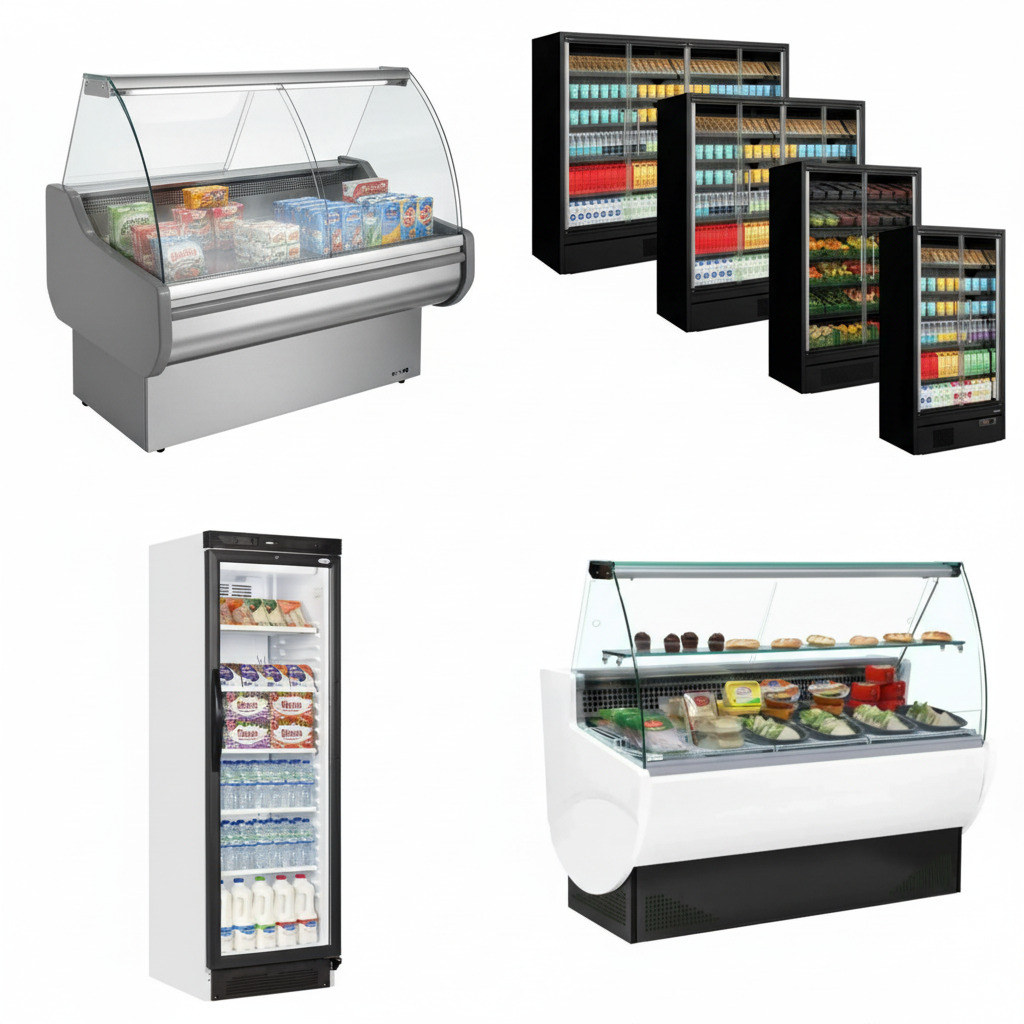




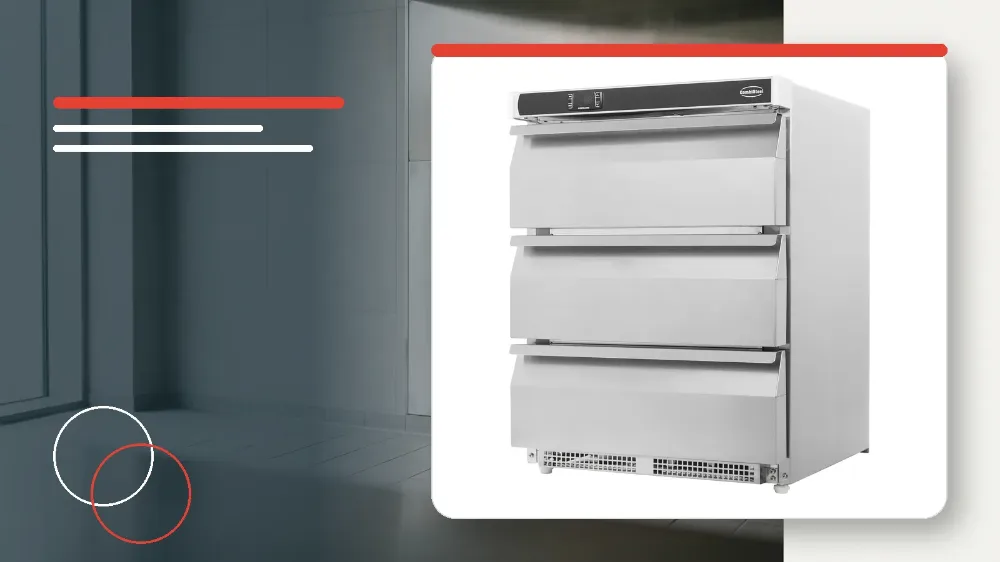
To commission and operate the Combisteel 7450.0536 refrigerator, settle the unit upright, clear all ventilation paths, clean the interior, connect the appliance to the mains electrical supply, and adjust the front-mounted control dial from 0 (Off) to your required cooling level between 1 (Cool) and 7 (Cold).
Applies to
This operational guide applies strictly to the Combisteel 7450.0536 commercial refrigerator.
Before you start
- Position the refrigeration appliance securely on a completely flat, stable surface within your kitchen work area.
- Remove the appliance carefully from all packaging materials prior to placing it in service.
- Ensure that all protective plastic film and protective surface coatings are thoroughly peeled away and removed from every surface.
- Allow the refrigerator to stand upright for approximately 12 hours before turning it on if the appliance was not stored or transported in a fully upright orientation.
- Allow the unit to stand upright whenever there is any doubt regarding how it was handled during transit.
- Maintain a minimum clearance distance of 20 cm (7 inches) between the unit and surrounding walls or adjacent objects to provide proper ventilation.
- Increase the clearance spacing beyond 20 cm if any adjacent obstacle is an active kitchen heat source.
- Wash all interior surfaces and shelves thoroughly with mild soapy water before using the appliance for the very first time.
Safety warnings
- Keep all ventilation openings in the appliance housing enclosure or built-in mounting structure completely free from any obstruction.
- Never operate internal electrical appliances such as heaters or ice cream makers inside the refrigeration cabinet.
- Never store explosive substances such as pressurised aerosol spray cans containing flammable propellants inside the appliance.
- Always switch off the unit and completely disconnect the electrical power supply before conducting any cleaning procedures.
- Never remove any service panels or internal mechanical and electrical components from this equipment.
Unpacking and Initial Site Setup
Proper siting and physical preparation ensure stable commercial refrigeration performance and protect internal components.
Clearances around the chassis prevent compressor overheating and maintain adequate airflow across the ventilation apertures.
- Unpack the unit and remove all outer transit packaging materials entirely.
- Peel off all protective transit films and exterior surface coatings from all stainless steel and interior faces.
- Place the refrigeration unit on a level, flat, and stable floor or counter area.
- Provide at least 20 cm (7 inches) of open clearance space between the unit body and any surrounding walls or fixtures.
- Extend the clearance distance further if the refrigerator is placed near heat-generating kitchen appliances.
- Allow the unit to remain stationary in an upright position for approximately 12 hours prior to initial power-up if upright transit was not maintained.
- Clean all internal storage compartments and shelves with soapy water before loading stock.
Powering On and Setting the Cooling Temperature
The operational controls for this appliance are located conveniently on the front control panel.
The temperature control dial governs the cooling performance across a stepped numerical range from warm standby to maximum chilling.
- Shut and securely close the door of the appliance.
- Connect the appliance power lead directly into an appropriate mains electrical power outlet.
- Locate the primary temperature adjustment dial on the front control panel.
- Rotate the dial to your desired cooling level using the scale where 0 represents Off, 1 represents Cool, and 7 represents Cold.
Food Storage and Daily Kitchen Management
Following structured loading routines prevents temperature fluctuation and maintains energy efficiency during busy kitchen shifts.
Internal airflow pathways and door management directly affect the holding temperature of stored commercial stock.
- Wait until the refrigerator pulls down and reaches its correct operating temperature before placing any food items inside.
- Never place uncovered hot food or steaming liquid containers inside the cooling compartment.
- Wrap or cover all foodstuffs properly before placing them on the storage shelves.
- Arrange stored stock so that the internal circulating fans remain completely unobstructed.
- Avoid leaving the appliance doors open for prolonged durations during restocking or service.
- Use the supplied manufacturer keys to lock the door and secure foodstuffs whenever required.
Routine Cleaning and Hygienic Care
Routine hygienic cleaning keeps internal food contact surfaces sanitary and extends the service life of mechanical components.
Careful moisture control prevents cleaning liquids from draining into electrical and condensate management areas.
- Switch off the unit and disconnect the mains power supply completely before commencing any cleaning tasks.
- Clean the interior cabinet surfaces as frequently as possible during regular kitchen hygiene schedules.
- Do not apply harsh abrasive cleaning chemicals that could leave harmful residues on food storage surfaces.
- Wipe down the door sealing gasket using only clean water.
- Always wipe all cleaned surfaces completely dry with a clean cloth after washing.
- Prevent any cleaning wash water from draining through the internal drainage hole into the lower evaporation pan.
Stop and get help if
- Stop using the refrigerator immediately if internal mechanical or electrical repairs are required.
- Do not attempt to unscrew, loosen, or remove any service panels or external chassis covers.
When to call an engineer
- Contact an authorised service agent or a qualified refrigeration technician whenever the unit requires complex installation.
- Escalate all equipment repairs to a qualified service technician rather than attempting operator disassembly.