



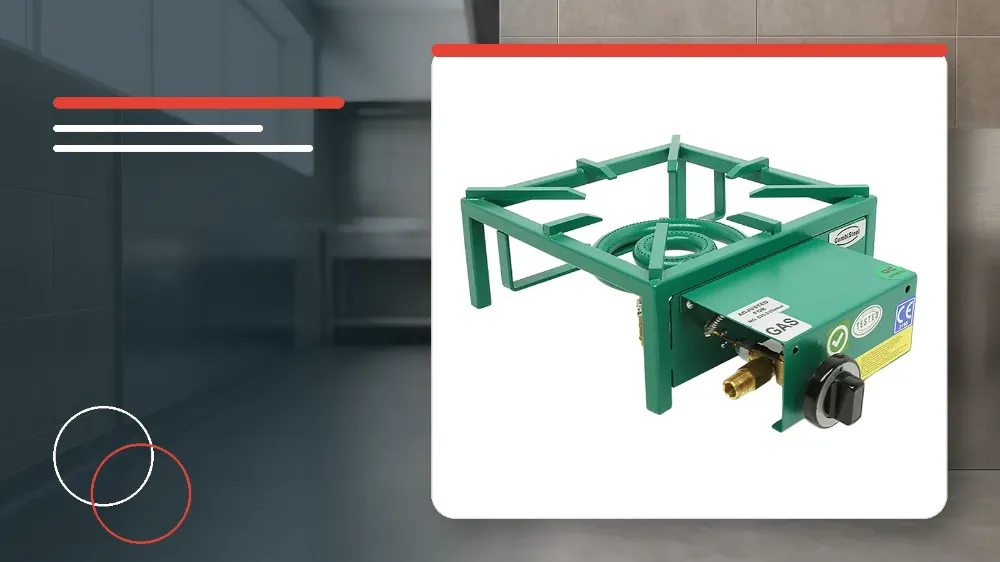
To operate the Combisteel 7178.1230 tabletop gas wok burner, turn the main gas supply valve to the open position, set the gas control knob to the lighter symbol, ignite the burner with a manual lighter, hold the knob depressed for at least 10 seconds to energise the safety thermocouple, regulate between high and low flame settings as required, and shut down by rotating the knob back to the lighter position before setting it to position 0.
Applies to
This operational procedure applies exclusively to the Combisteel 7178.1230 tabletop gas wok burner and its companion range variants.
Before you start
- Before installing or operating the appliance, thoroughly inspect the entire unit for any signs of visible transit damage or defects.
- Ensure that every trace of packaging and external protective film has been completely stripped from the burner surfaces before starting operation.
- Position the tabletop burner in a designated kitchen location that remains strictly inaccessible to dining customers and children at all times.
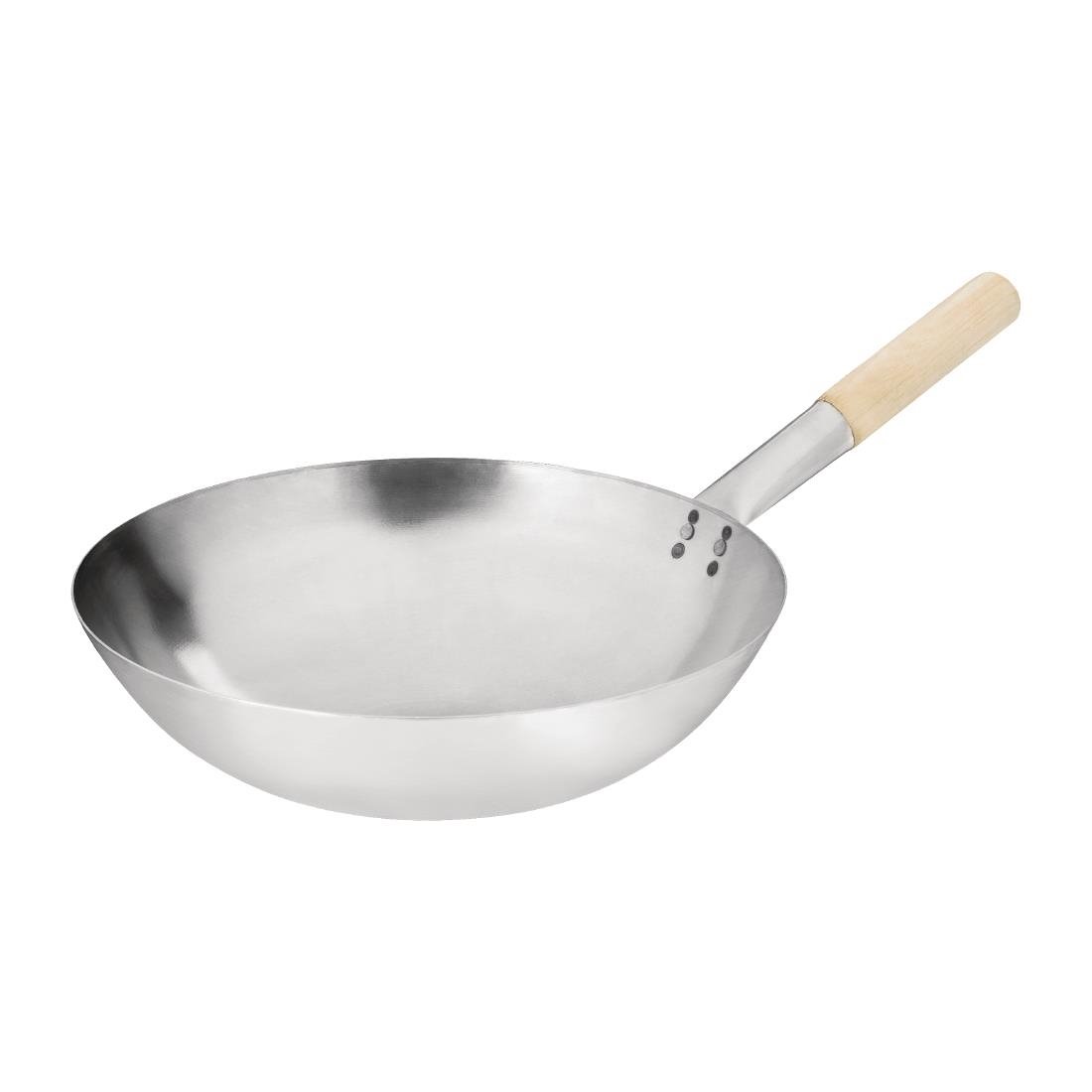
- Verify that your commercial cookware matches the required wok dimensions, maintaining a diameter between a minimum of 52 cm and a maximum of 62 cm.
- Equip kitchen staff with dry, heat-resistant safety gloves before touching or operating any components on the appliance.
Safety warnings
- Never operate the gas wok burner if any structural or mechanical damage is discovered during pre-use visual inspections.
- Do not handle hot burner surfaces with wet or damp gloves, as moisture drastically increases thermal conductivity and causes severe steam burns.
- Under no circumstances should operators or kitchen staff attempt to open the outer appliance housing for repairs.
- Never permit gas leakage tests to be conducted using a naked flame or match under any circumstances.
- Do not direct high-pressure water jets or pressurised steam cleaning equipment at the appliance body or burner assembly.
Initial Commissioning and Gas Line Purging
When commissioning a newly installed unit or starting up after extended downtime, trapped air inside the gas pipework must be fully evacuated to permit clean ignition.
Operators should note that light smoke and non-hazardous burning odours originating from factory surface oils and internal insulation materials will dissipate naturally during the first heating cycle.
- Turn the main incoming gas isolation valve to the fully open position to supply fuel to the appliance line.
- Depress and hold the burner gas control button at the flame position for several seconds prior to sparking to effectively discharge all trapped air from the installation.
Burner Lighting Procedure
The Combisteel wok burner utilises a manual ignition sequence combined with an integrated thermoelectric flame safety valve.
Continuous thermal contact is essential during initial ignition so that the safety thermocouple tip reaches sufficient temperature to sustain automated gas flow.
- Rotate the burner gas control knob directly to the dedicated lighter position.
- Apply a manual commercial lighter to the burner head while holding the control knob in the lighter position.
- Keep the gas control button firmly pressed down for a minimum of 10 seconds immediately after ignition to warm the safety thermocouple probe.
- Release the knob smoothly and verify that the burner flame remains continuously established on the cast-iron head.
Flame Regulation and Primary Air Adjustment
Once the pilot flame and thermocouple are stable, the operator can modulate cooking heat across the variable control spectrum.
Achieving an efficient, stable blue flame requires matching the air-to-gas ratio with the specific gas supply pressure and fitted injector ratings.
- Rotate the gas control knob between the designated high flame and low flame markings to set the required cooking heat output.
- Place an approved cooking vessel measuring between 52 cm and 62 cm in diameter securely upon the heavy-duty cast wok ring.
- Inspect the burner flame pattern visually to identify any combustion defects, yellow tipping, or unstable flame lifting.
- If improper combustion occurs, check the gas pressure and injector configuration according to the gas type, and rotate the burner air adjustment sleeve in the designated arrow directions until a clean flame is established.
Routine Shutdown and Post-Service Maintenance
Executing the correct two-stage shutdown sequence isolates the burner and ensures that no residual gas escapes into the kitchen environment.
Because the stainless-steel casing and heavy cast-iron parts retain significant heat long after shutdown, cleaning must be carried out with appropriate hand protection.
- Turn the gas control knob from the active cooking setting back to the lighter position.
- Rotate the gas control knob further to position 0 to shut down the burner completely.
- Close the main gas supply valve or disconnect the LPG bottle before initiating any care or maintenance routines.
- Wipe down the exterior surfaces of the appliance using a soft cloth immersed in warm soapy water before the metal cools down completely.
Stop and get help if
- Immediately turn off the LPG gas bottle or close the natural gas supply tap if any operating malfunction or gas smell is detected.
- Halt all operation and prevent gas reconnection until an authorised technician has fully inspected and resolved the equipment fault.
When to call an engineer
- Contact an Authorised Service Agent whenever internal repairs or component replacements are required on the appliance.
- Request a qualified service technician to perform essential gas leakage checks using leak detection foam or an electronic gas detector following any repair work.