
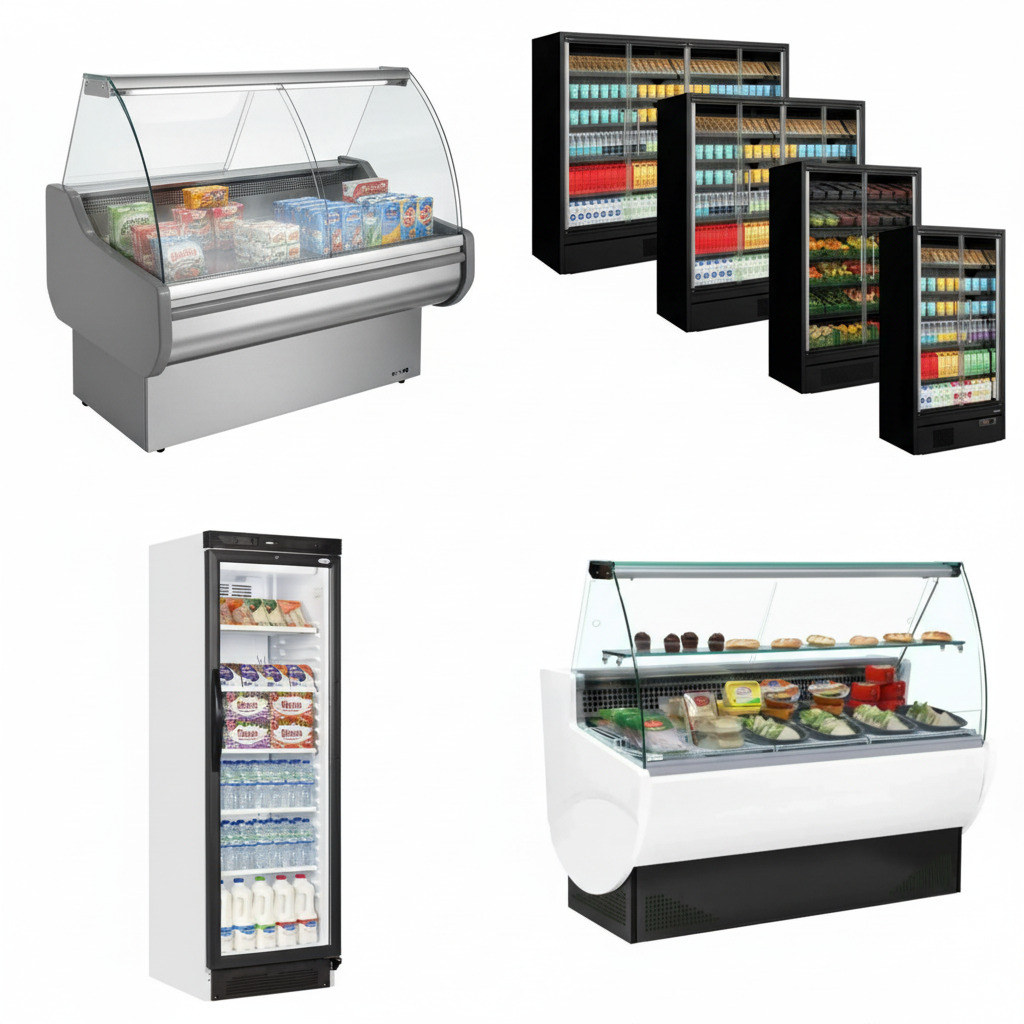
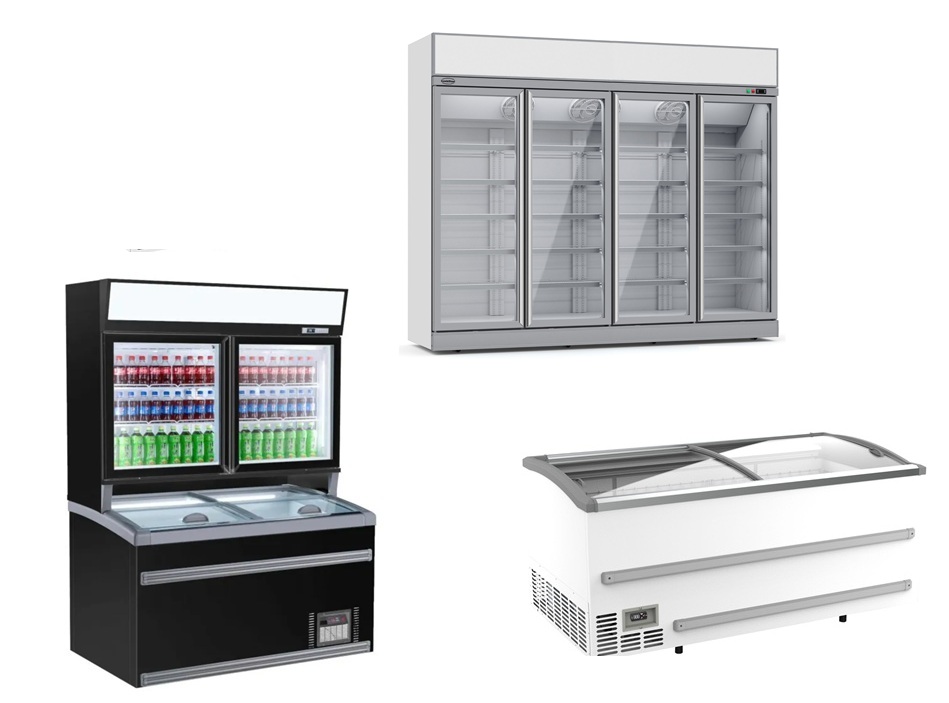


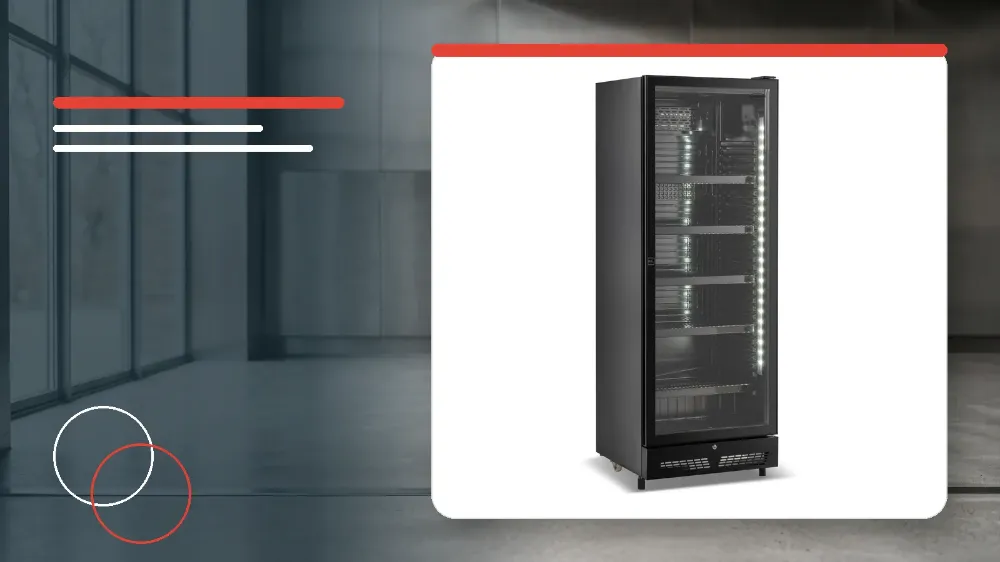
Proper maintenance of the Combisteel 7086.0005 requires disconnecting electrical power before cleaning, wiping surfaces with a soft cloth or sponge dampened with clear water or mild soap liquid, avoiding water contact in the compressor compartment, thoroughly drying all metal surfaces to prevent rust, and observing a strict five-minute wait before reconnecting mains power.
Applies to
This operational guidance applies strictly to the Combisteel 7086.0005 commercial display refrigerator.
Before you start
- Always isolate the appliance from the electrical mains by pulling out the power plug before commencing any cleaning task.
- Prepare non-abrasive cleaning tools including clean soft cloths or sponges alongside mild soap liquid and clean water.
- Ensure that harsh chemical cleaning solutions, acids, alkalis, and hot water supplies are completely excluded from the work area.
- Verify that dry cloths are readily available to dry all internal and external cabinet surfaces immediately following the wipe-down.
Safety warnings
- Never spout or spray water directly onto the showcase cabinet during cleaning or general operation.
- Do not position or operate the refrigerator in moist locations to protect against electrical insulation breakdown and fire hazards.
- Do not use organic solvents, alkaline agents, acidic cleaning chemicals, or hot water to clean any section of the showcase.
- Never use water to wash or clean the compressor room compartment.
- Never attempt to disassemble the cabinet, alter the appliance construction, or modify the cooling pipework.
Cabinet Cleaning and Surface Care
Maintaining sanitary conditions in a busy catering environment requires systematic cleaning using only manufacturer-approved tools and cleaning agents.
Aggressive chemicals such as alkalis, acids, and organic solvents can degrade protective cabinet coatings and must never be applied to the unit.
Hot water must also be avoided during cleaning routines to protect the appliance construction.
Residual moisture left on metal surfaces after washing can lead to corrosion over time if not handled correctly.
- Pull the power plug from the electrical socket to ensure the unit is fully de-energised before touching any surfaces.
- Dampen a clean soft cloth or non-abrasive sponge with clear water or mild soap liquid.
- Gently wipe down the interior and exterior showcase surfaces without spraying or spouting liquid onto the body.
- Thoroughly wipe away all remaining moisture using a dry cloth to prevent rust formation on the cabinet.
Compressor Compartment and Defrost Management
The appliance operates with an automatic defrost system that melts accumulated frost during regular cooling cycles without requiring manual defrost intervention.
Defrost water drains directly into a collection water box situated within the compressor compartment.
Heat generated by the operating compressor vaporises the collected water naturally during normal running.
Operators must never introduce water into the compressor room during maintenance routines.
- Allow the automatic defrost cycle to direct melted frost to the rear evaporation water box without manual scraping or heating.
- Keep the compressor room completely free of wash water or liquid cleaners during cabinet sanitation.
- Inspect the surrounding floor and cabinet perimeter to confirm no external water accumulation penetrates the lower housing.
Safe Electrical Reconnection and Cycling
Refrigeration compressors are vulnerable to severe electrical and mechanical stress if power is reconnected prematurely after an interruption.
Whenever the appliance has been switched off, unplugged for cleaning, or subjected to a power cut, an intentional delay is mandatory.
Failing to wait the required duration before restoring electricity can reduce overall machine operating life or cause component damage.
- Complete all cleaning, wiping, and drying steps before preparing to restore electrical power.
- Wait a minimum of 5 minutes following disconnection or a power cut before reinserting the electrical plug into the mains supply.
- Turn on or reconnect the electricity only after the full five-minute interval has elapsed to protect the compressor mechanism.
Operator Service Boundaries and Upkeep Limits
Commercial kitchen operators must strictly observe equipment boundaries to maintain operational safety and compliance.
Unauthorised disassembly of the casing or physical alteration of the cooling circuit creates severe operational hazards.
All internal maintenance tasks and technical repairs must be executed exclusively by a qualified person.
Self-maintenance procedures on the display lighting system are prohibited by the manufacturer.
- Limit routine operator actions to external cleaning, shelf wiping, surface drying, and monitored power cycling.
- Do not attempt to open the light assembly or replace illumination lamps independently when illumination fails.
- Cease operator intervention and contact professional maintenance service whenever technical components or cooling circuits require servicing.
Stop and get help if
- Stop using and cleaning the appliance immediately if water has entered the compressor room compartment.
- Stop operation if there is any damage to the internal cooling pipes or refrigeration circuit.
- Stop and disconnect the unit if liquid ingress threatens electrical insulation or presents a fire hazard.
When to call an engineer
- Contact professional maintenance service when the display lamp is damaged or requires replacement.
- Call a qualified technician if the cooling pipes are damaged or require repair.
- Engage a qualified service person whenever internal mechanical teardown, structural changes, or technical maintenance are needed.